
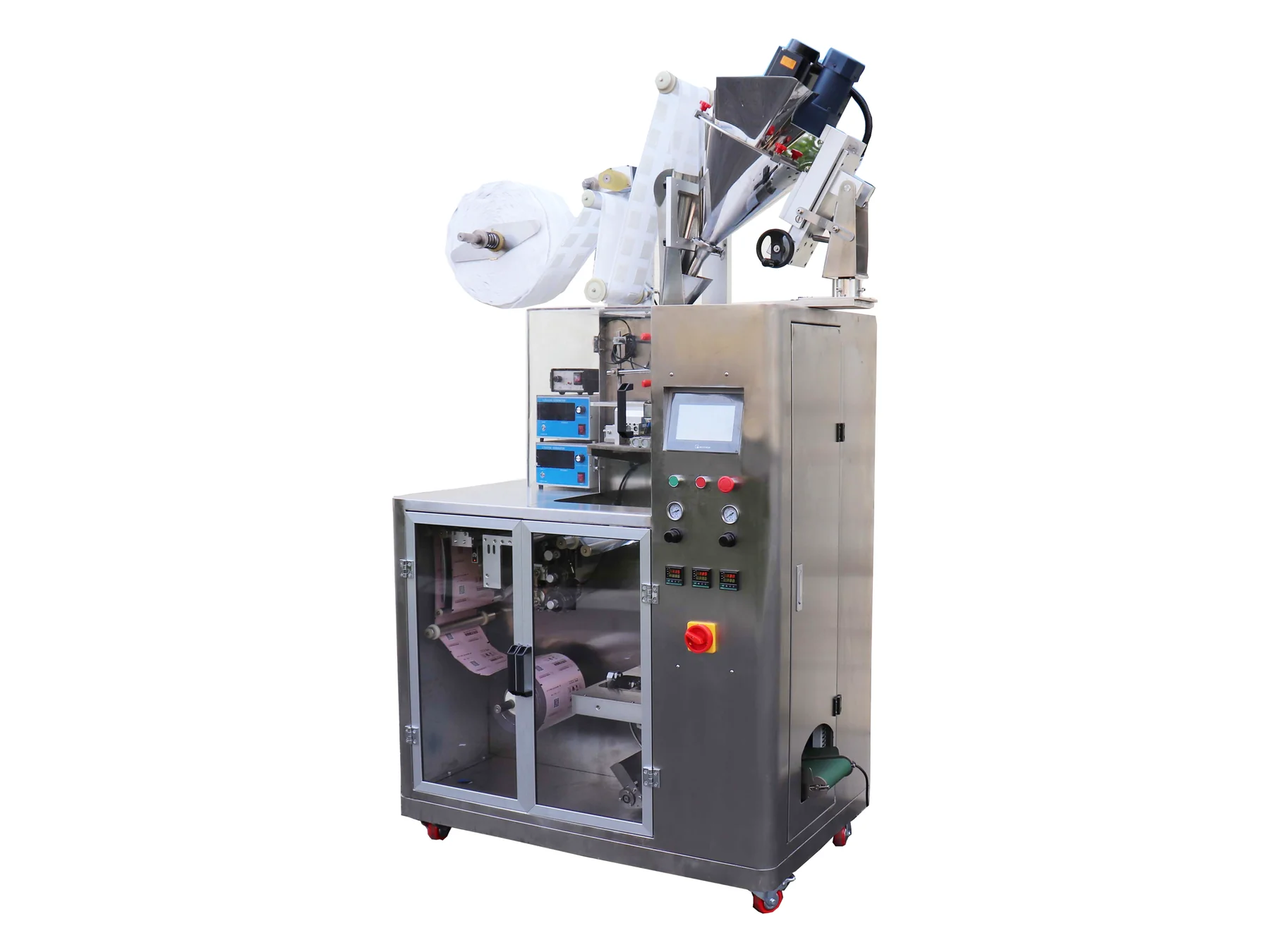
SPM-T300 · Drip coffee bag machine
Drip Coffee Bag Packing Machine — Hanging-Ear Bag + Outer Envelope
- 30–70 bags/min
- Inner bag 90 × 70–74 mm
- Envelope 100 × 120 mm
- Nitrogen option
- 12-month warranty
One machine doses ground coffee, forms and ultrasonically seals the hanging-ear filter bag, then heat-seals it into a three-side-seal outer envelope. Your speed depends on the coffee, dose, bag size and whether the envelope runs; we confirm it in a sample run. Send a bag photo and fill weight for a price.
- Best fit
- Coffee roasters, brands and co-packers planning a hanging-ear drip coffee product, or assessing a separate steeped coffee bag project.
- Feeding options to assess
- Auger filler; Volumetric cup
- Confirm before selection
- Coffee sample, fill weight, inner bag, outer envelope and required output.
Start with three project facts
-
01
What coffee will you run?
Coffee sample, grind, fill weight and any feeding or dust concerns.
-
02
What finished pack do you need?
Hanging-ear or steeped bag, filter material and outer-envelope requirements.
-
03
What does production need?
Finished packs per shift, product changes, coding, inspection and site utilities.
Your Project Snapshot
Explore a starting point
Use these examples to explain your project. Final equipment depends on your product and packaging review.
- Application
- Roasted ground coffee
- Pack format
- Drip Coffee Bag
- Model range
- SPM-T300
- Line
- Configured to product
SPM-T300 specifications
SPM-T300 at a glance
Published figures from the SPM-T300 manual, and what changes each one for your coffee and pack. A steeped or inner-bag-only project needs a separate assessment.
Model
SPM-T300
- Inner bag width
- 90 mm
- Inner bag length
- 70–74 mm
- Speed
- 30–70 bags/min*
- Machine size
- 1203 × 809 × 2141 mm
- Machine weight
- About 440 kg
Use the proposed configuration and sample run to agree the final specification.
| Parameter | Published figure | What changes it |
|---|---|---|
| Model | SPM-T300 (AK and AF feeding versions) | AK: vibratory feed with a measuring cup. AF: stirring silo. Chosen by how your coffee flows. |
| Pack | Hanging-ear inner filter bag + outer envelope, made on one machine | A steeped or inner-bag-only project needs a separate review. |
| Speed | 30–70 bags/min* | Coffee, fill dose, bag size and whether the outer envelope runs. Your rate is confirmed in a sample run. |
| Coffee and dosing | Ground coffee · auger (screw) filler or volumetric measuring cup | Grind, oil content and how freely your coffee flows. |
| Fill volume | Auger screws sized from 10 mL up to 100 mL maximum fill | Coffee density and fill weight; the screw or cup is matched to your dose at the factory. |
| Inner filter bag | 90 × 70–74 mm (W × L)* | The bag former. Send your drawing if your bag differs. |
| Outer envelope | 100 × 120 mm (W × L)* | The outer former and seal jaws. |
| Web and rolls | Filter up to 180 mm wide · envelope film up to 200 mm · roll OD up to 380 mm, 76 mm core | Your bag size and film. |
| Sealing | Ultrasonic seal and cut (inner bag) · heat seal with PID temperature control (envelope) | Filter and film type; seal temperature is set for speed and film thickness. |
| Power | AC 220 V, 50/60 Hz, 5.65 kW | Share your site voltage, phase and frequency before the quotation. |
| Compressed air | 0.5 MPa minimum | Nitrogen flushing, if added, needs its own gas supply. |
| Footprint and weight | 1203 × 809 × 2141 mm (L × W × H) · about 440 kg | Keep 800 mm clear on each side. Conveyors or coders add space. |
| Nitrogen | Option for the outer envelope | Quoted as a separate item; needs a nitrogen supply. |
| Controls | PLC with touchscreen, PID temperature control, fault display | — |
| CE conformity | 2006/42/EC · EN ISO 12100, EN 60204-1, EN 415-1 | Covers SPM-T300. UDEM Cert. M.2024.206.C100050, valid to 2029-04-25. |
| Warranty and lead time | 12 months from machine receipt · 28-day standard lead time | Lead time runs from deposit and approved configuration. |
Figures marked * are published screening figures for the SPM-T300. Your rate, dose and bag size are confirmed in a sample run with your coffee and materials. Before you compare quotations, check that each proposal covers the same inner bag, outer envelope, coffee, output test and equipment scope.
Product Fit
What product do you need to pack?
Choose the closest coffee profile. A sample and target fill weight help assess feeding and dosing; the product name alone cannot establish a fit.
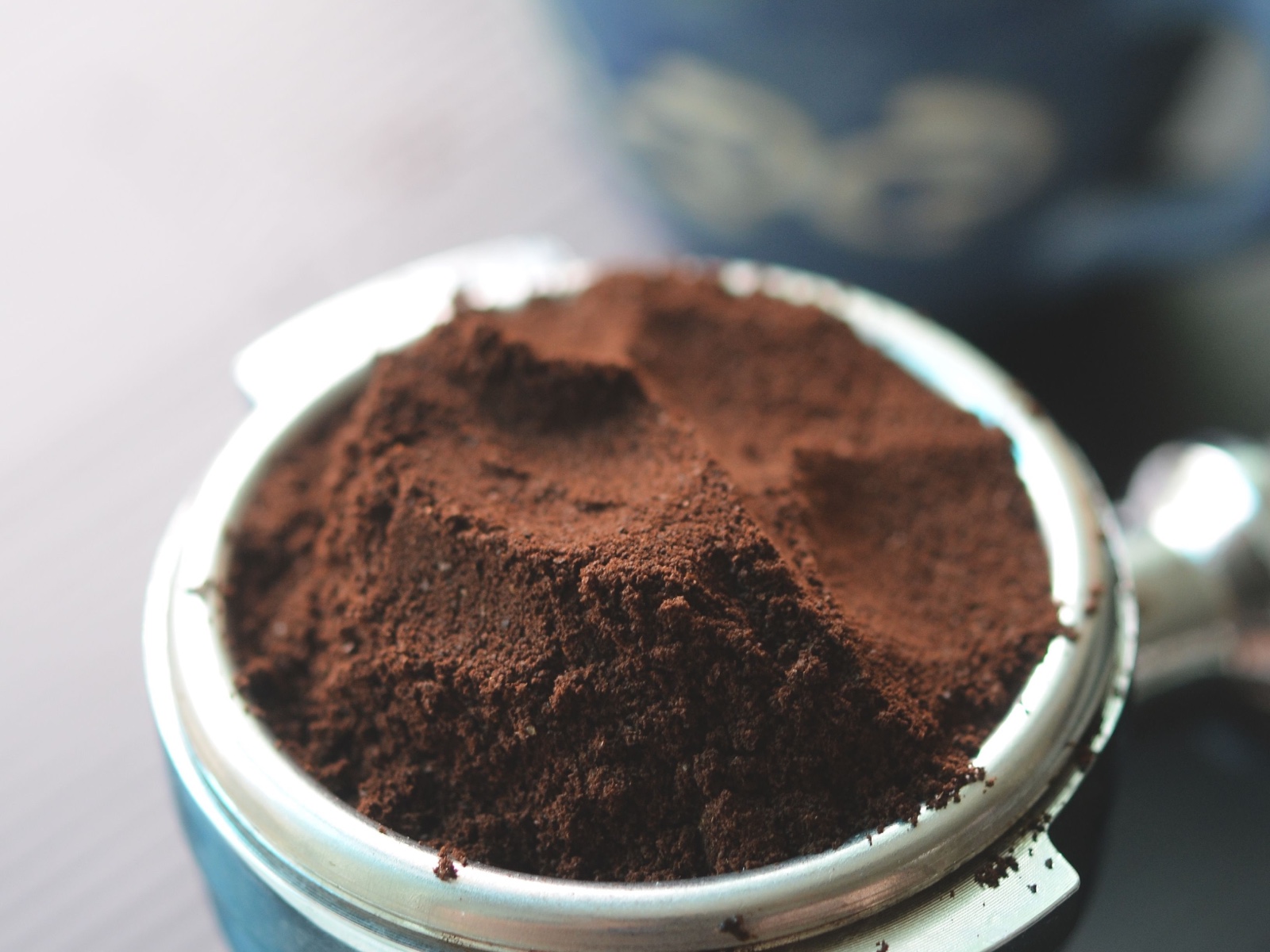
Coffee profile: Roasted ground coffee
Assessment starting point
Start with your coffee sample
Key checks
- Grind profile
- Target fill weight
- Flow
- Sample
Send a representative sample and the weight you want in each bag. Include the acceptable weight variation if you have a product specification.
Sample validation. Final compatibility and machine configuration are confirmed using representative product and pouch samples.
Bag Format Capability
Inner Bag & Outer Envelope Options
Hanging-ear bags sit over the cup for pour-over brewing; steeped bags sit in the water. Both projects can specify a three-side-seal outer envelope, with the size, material and tooling assessed separately.
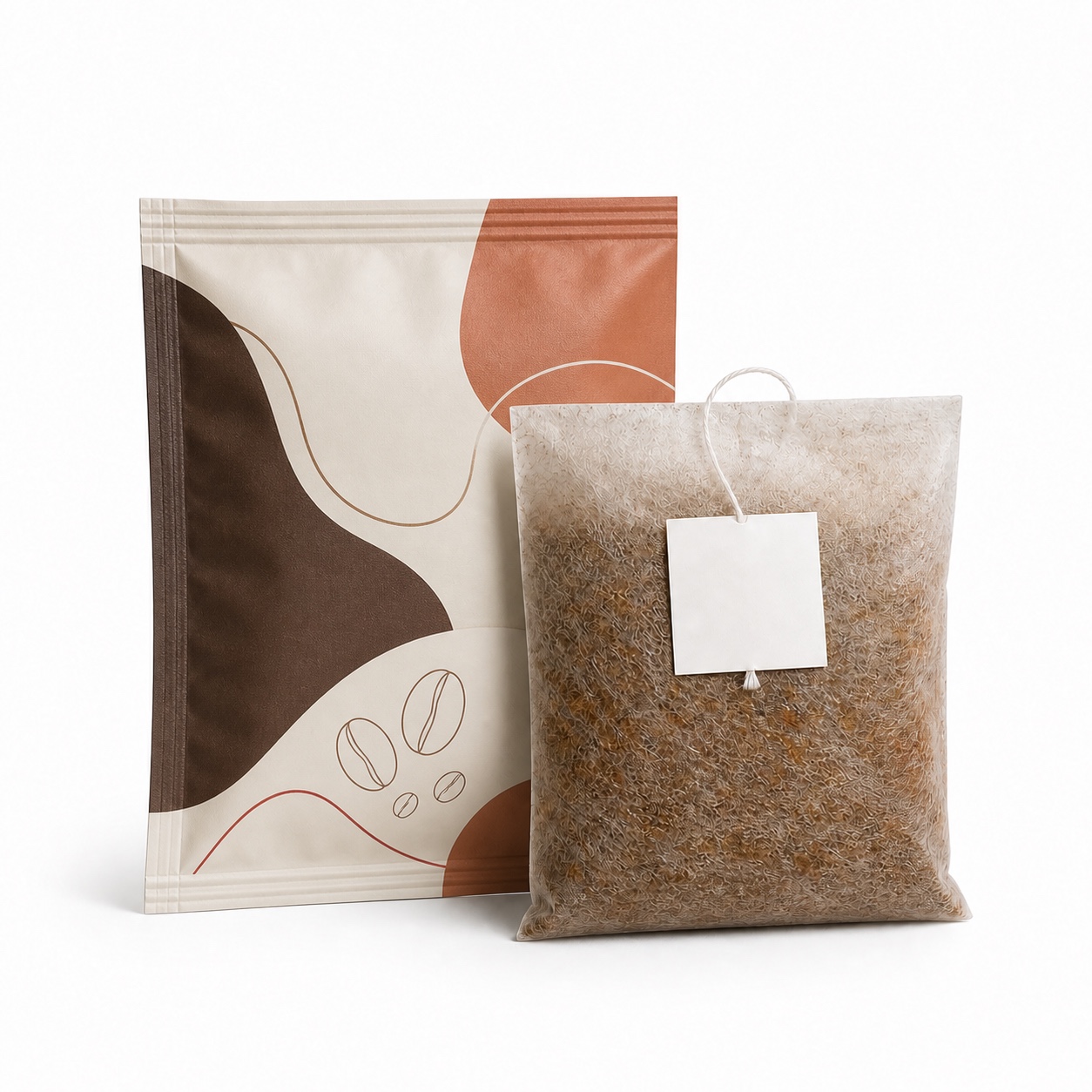
Inner Bag Options
-
Drip Coffee Bag
A filter bag with hanging ears that support it over the cup.
-
Steeped Coffee Bag
A coffee filter bag placed in hot water for immersion brewing.
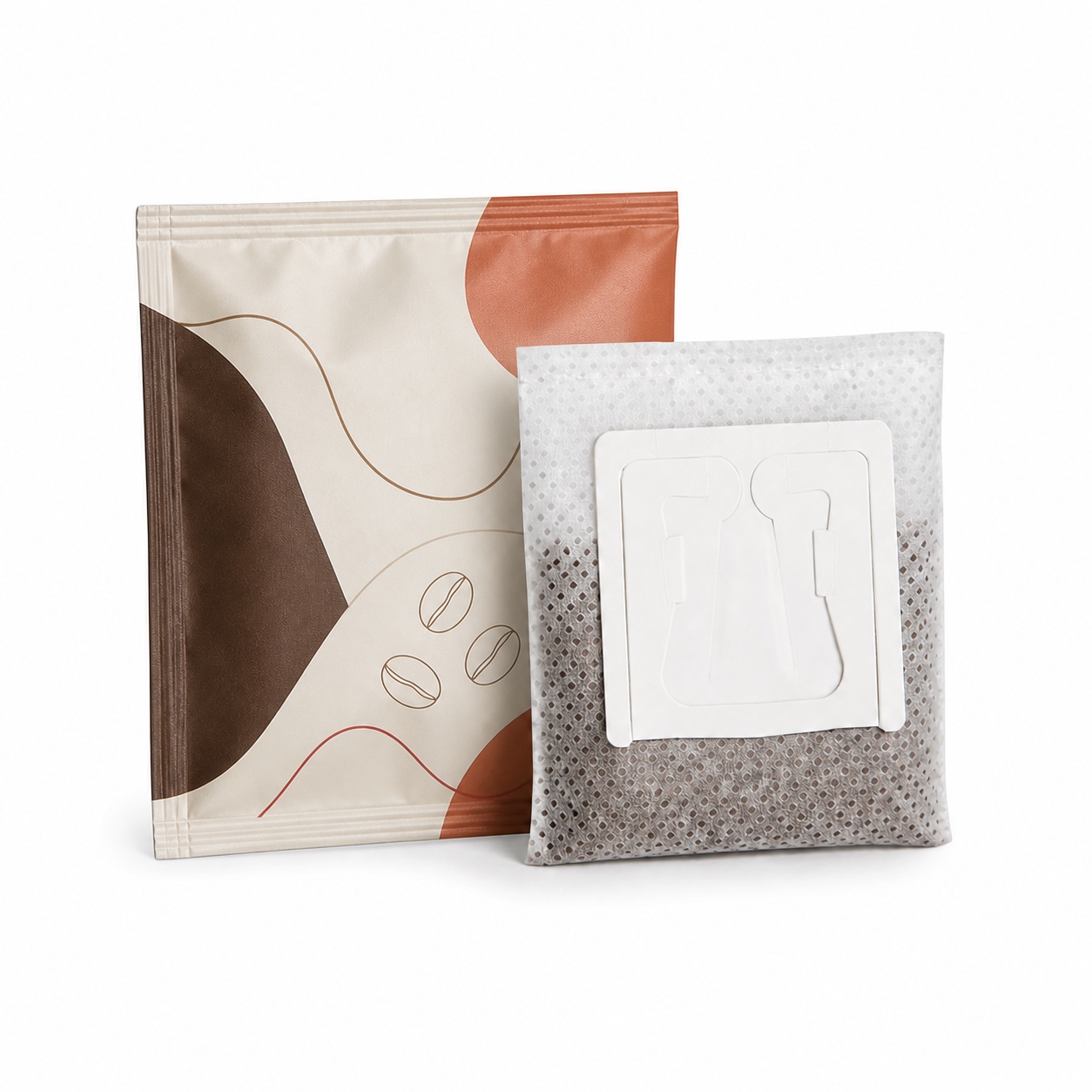
Outer Envelope Options
-
Three-Side-Seal Outer Envelope
The individual outer package around the filled filter bag.
Project confirmation. Start with a coffee sample and a photo or sample of the finished pack. Add bag drawings and material specifications when available. The pack images illustrate formats; they are not samples made on this machine. Other equipment routes: Whole-bean retail bags, premade pouches or pyramid tea bags need a different equipment route.
Machine Videos
See the machine work, then look closer
Watch the hanging-ear inner-bag and outer-envelope route, then compare it with your intended pack. These examples show the process; output and finished-pack quality need a run with your coffee and materials.
Main evidence · Hanging-ear bag + outer envelope
Drip Coffee Inner- and Outer-Pack Running Example
Running example of the hanging-ear inner-bag and outer-envelope process. It is a process reference, not a test of your coffee or bag materials.
What to check in a sample run
- Dose consistency: Use your coffee and fill weight; record accepted weights and variation.
- Finished pack: Check material feeding, seals, opening and hanging-ear support.
- Production routine: Include the outer stage and discuss cleaning and product changeovers.
Machine in operation
Compare the bag format and process shown with your intended finished pack.
Support evidence · Related running example
Related Official-Channel Running Example
Related machine example. A steeped coffee bag project needs its own configuration and sample assessment.
Configure Complete Line
See the Complete Route from Product Feed to Outer Envelope
The packaging route depends on the selected coffee bag format, coffee behaviour, materials and finished-pack requirements. Product dosing and feed selection start from the real coffee, dose and flow behaviour.
-
01 · Measure
Measure Coffee
Select the feed construction after real coffee, dose and sample review.
-
02 · Inner bag
Form, Seal & Cut Inner
The inner bag is formed, then ultrasonically sealed and cut.
-
03 · Transfer & outer
Transfer and Seal Outer
The inner pack transfers to the outer path for thermal sealing and cutting.
-
04 · Discharge
Finished Pack Output
The documented full route discharges the completed pack by conveyor.
Route confirmation. Stage scope, included equipment and change parts are confirmed against your product sample, bag format and finished-pack requirement.
Discuss Your Packaging RouteTechnical Reference
How the coffee bag system works
Follow the hanging-ear route from coffee dosing to the finished outer envelope. Use the dosing and material tabs to identify what needs checking for your pack.
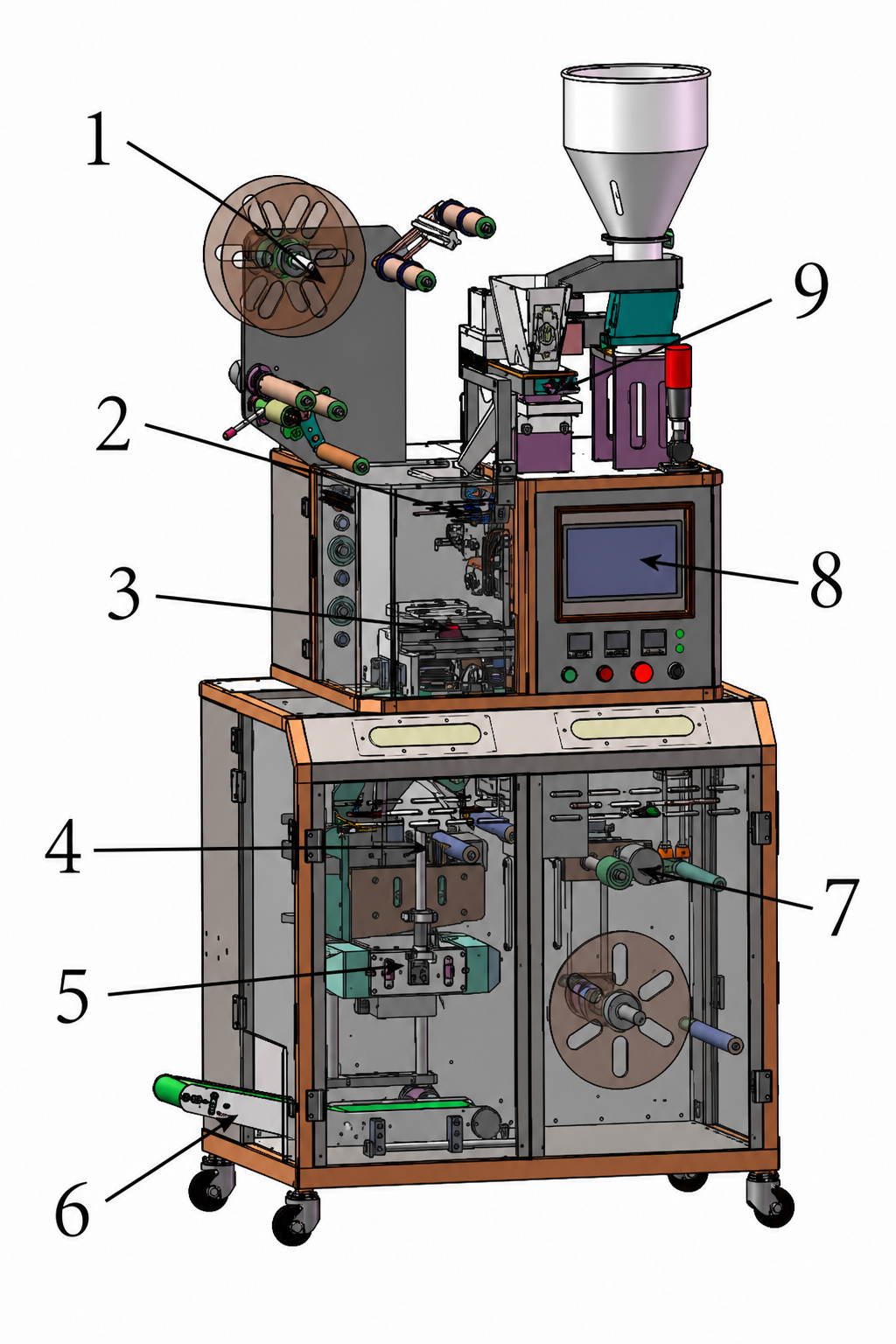
-
Inner Bag Material Feeding
Feeds the inner filter material into the forming route. Material structure, width and running behaviour should be reviewed before configuration.
-
Inner Bag Vertical Sealing
Forms the longitudinal seal of the inner filter bag. Material compatibility and sealing requirements require project confirmation.
-
Inner Bag Horizontal Sealing
Completes the inner bag through ultrasonic sealing and cutting. Finished-bag drawings help define the required forming route.
-
Outer Bag Vertical Sealing
Forms the individual outer envelope around the inner bag. Film structure and sealing conditions should be evaluated for each project.
-
Outer Bag Horizontal Sealing
Completes outer-envelope sealing and cutting. Outer-bag drawings and material information support engineering review.
-
Conveyor Discharge
Transfers completed packs from the machine. Downstream collection or secondary-packing requirements should be confirmed separately.
-
Outer Film Feeding
Supplies the outer packaging material. Film-roll specifications, artwork and colour-mark requirements should be confirmed.
-
Operation Panel
Provides operating controls and machine-status information. PLC control, HMI operation and fault display are documented system functions.
-
Coffee Feeding & Measuring
Feeds and measures the coffee through the selected construction. Coffee samples, flow behaviour, target dose and testing requirements determine the evaluation route.
Documented process sequence
- 9 Coffee Feeding & Measuring
- 1 Inner Material Feed
- 2–3 Inner Forming / Ultrasonic Seal & Cut
- Transfer
- 7 Outer Film Feed
- 4–5 Outer Forming / Thermal Seal & Cut
- 6 Conveyor Discharge
Inner route: ultrasonic sealing and cutting. Outer route: thermal sealing and cutting. Final configuration requires project confirmation.
Coffee & Dosing Fit
Check how your coffee feeds and doses before selecting a construction. Use a representative sample and the fill weight you plan to sell.
Feeding construction
Oblique Screw Feeding
Screw feeding with a silo and height/angle adjustment. Review its suitability with your coffee and fill weight.
Feeding construction
Reciprocating / Vibratory Feeding
Storage bucket, vibrator and adjustable measuring cup. Review its suitability with your coffee and fill weight.
Compare the two feeding constructions with your coffee sample and target fill weight. Neither is assumed to be included before the project configuration is agreed.
What to share for dosing evaluation
- Coffee sample
- Grind / particle information
- Observed flow, dust and bulk behaviour
- Target dose
- Target output
- Operating pattern
Pack & Material Fit
The inner filter bag and outer envelope have different jobs and material requirements. Send a finished-pack sample, plus drawings and material details if available.
Inner Bag — Hanging-Ear Filter Bag
Inner pack inputs
- Finished inner-bag drawing
- Filter material structure
- Material width
- Sealing / cutting behaviour
- Hanging-ear format details
Outer Envelope
Outer pack inputs
- Finished outer-envelope drawing
- Film structure
- Roll specification
- Artwork / colour-mark position
- Sealing requirements
This process reference covers hanging-ear bags with outer envelopes. A steeped coffee bag needs a separate materials, tooling and process review.
Prepare your coffee bag brief
Start with your coffee, target fill weight and a finished-bag photo or sample. Add the following details when available.
- Coffee sample and product description
- Target bag format and finished-bag drawings
- Inner and outer packaging material information
- Target dose, target output and operating pattern
- Film-roll specifications, artwork and colour-mark details
- Available utilities and installation conditions
- Finished-pack acceptance or testing criteria
Share your coffee, fill weight and finished-pack reference to discuss the equipment needed.
This process reference covers hanging-ear bags with outer envelopes. Coffee, filter material and outer film need to be assessed together.
Service & Support
What happens after the machine ships
From bag photo to running machine. Standard lead time is 28 days from deposit and approved configuration, and the warranty runs 12 months from receipt. Installation, training, spare parts and remote support are scoped for your region and stated in the quotation.
-
Project steps
1 Send a bag photo and fill weight. 2 We match the SPM-T300 configuration and send an itemised quotation. 3 Sample run with your coffee and materials. 4 Build and shipping. 5 On-site or remote start-up.
-
Lead time
Standard lead time is 28 days from deposit and approved configuration. Options such as nitrogen flushing are listed in the quotation.
-
Installation & commissioning
On-site commissioning is arranged when your project requires it. The service fee, round-trip airfare and accommodation are the buyer's responsibility; exact scope is confirmed in the quotation.
-
Operator training
Operator training is part of project handover. Format and duration are confirmed for your configuration and region in the quotation.
-
12-month warranty & spare parts
Warranty covers 12 months from the date of machine receipt. During that period, defects or malfunctions are covered by technical support and complimentary spare parts for replacement; freight on those parts is borne by the buyer. Heating rods, a proximity switch, thermocouples, a quick connector, an exhaust plate set and basic tools ship with the machine.
-
Remote support
From dispatch onward, support is available by phone or FaceTime. When an onsite visit is required, a technician is arranged; the service fee, round-trip airfare and accommodation are the buyer's responsibility.
Frequently Asked Questions
Drip Coffee Bag Packing Machine — Hanging-Ear Bag + Outer Envelope FAQs
These questions cover the decisions that lock a configuration: product fit, pack format, speed, quotation scope and after-shipment support.
How fast is the SPM-T300 drip coffee bag packing machine?
30–70 bags per minute, making the inner filter bag and the outer envelope on one machine. Where your line lands in that range depends on the coffee, the fill dose, the bag size and whether the envelope runs. We confirm your rate in a sample run with your coffee and materials. See SPM-T300 at a glance.
What bag sizes does it make?
Inner filter bag 90 × 70–74 mm (width × length) and outer envelope 100 × 120 mm, as listed in the SPM-T300 manual. It takes filter web up to 180 mm wide and envelope film up to 200 mm, on rolls up to 380 mm outside diameter with a 76 mm core. If your bag is a different size, send the drawing and we will check it with you.
Can it flush nitrogen into the pack?
Yes, as an option. Nitrogen can be flushed into the outer envelope before the final seal. It is quoted as a separate item and needs a nitrogen supply on site. Tell us if you have a residual-oxygen target.
How is the coffee dosed?
By an auger (screw) filler or a vibratory measuring cup. Auger screws are sized from 10 mL up to 100 mL maximum fill, and the screw or cup is matched to your dose at the factory. We do not publish a dose-accuracy figure; weights are recorded during your sample run.
How are the inner bag and envelope sealed?
The inner filter bag is sealed and cut ultrasonically. The outer envelope is heat-sealed, with PID temperature control set for speed and film thickness. For filter materials, see our drip coffee bag filter page.
What power, air and floor space does it need?
AC 220 V, 50/60 Hz, 5.65 kW, and compressed air at 0.5 MPa minimum. The machine measures 1203 × 809 × 2141 mm (L × W × H) and weighs about 440 kg. Keep 800 mm clear on each side for operation and service.
Can the same setup make hanging-ear and steeped coffee bags?
Not as the standard setup. The published figures cover hanging-ear bags with an outer envelope. A steeped bag is immersed in the water and needs its own tooling, materials and output review. The videos here show the hanging-ear route.
What does it cost and what is the lead time?
Price depends on the configuration, so each quotation is itemised: feeder, inner-bag unit, outer envelope, nitrogen, coding and other options are listed separately. Standard lead time is 28 days from deposit and approved configuration.
What warranty and support do I get?
12 months from the date of machine receipt. During that time, defects are covered by technical support and free replacement parts; the buyer pays freight on those parts. Heating rods, a proximity switch, thermocouples, a quick connector, an exhaust plate set and basic tools ship with the machine. Support is by phone or FaceTime from dispatch. On-site visits are arranged when needed; the service fee, airfare and accommodation are the buyer's responsibility. See Service & Support.
What should I compare between quotations?
The same bag size, fill weight and coffee; whether the outer envelope and nitrogen are included; the dosing type (auger or cup); and the spare-parts and start-up scope. Ask which items are included and which are extra. For another pack format, use the tea and coffee machine guide.
Is the drip coffee bag packing machine CE marked?
Yes. SPM-T300 is CE-marked under Machinery Directive 2006/42/EC (EN ISO 12100, EN 60204-1, EN 415-1). The technical file was reviewed by UDEM, certificate M.2024.206.C100050, valid to 2029-04-25. Ask us for the certificate and declaration of conformity.
What do you need for an initial review?
A bag photo and your target fill weight are enough to start. Add a coffee sample, drawings, material details and site utilities when you have them. Use the project inquiry; you do not need every detail to start.
Customers & Installations
Where Spack Machine equipment runs
Customer-site and client-visit footage from Spack Machine projects, published with the customer's permission. Each clip is one installation with its own configuration — read it as context for how we work, not as a speed, output or accuracy claim for your product.
Customer site · United Kingdom
Testimonial from a UK customer
Filmed at the customer's own site after installation.
Client visit · Oregon, USA
Catching up with long-time clients
From our visit to long-time Spack Machine clients in Oregon, USA.
Customer site · Indonesia
Testimonial from an Indonesian customer
Filmed at the customer's own site after installation.
Get a Configuration Proposal
Get price & configuration
First time buying? Fill the short fields, then tell us more in your own words.