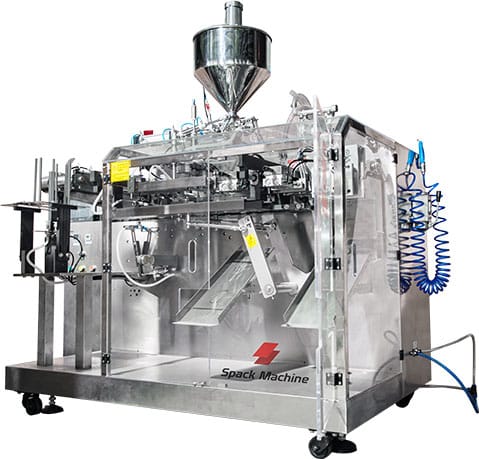
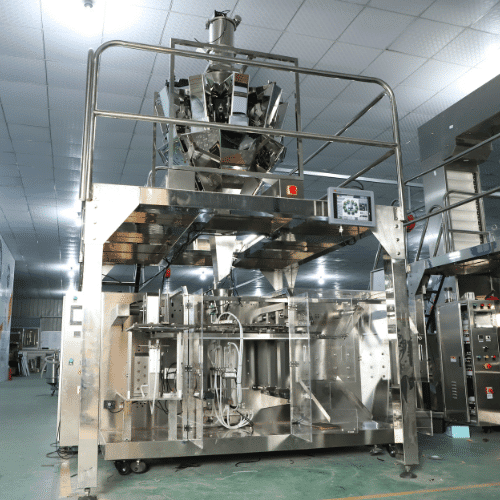
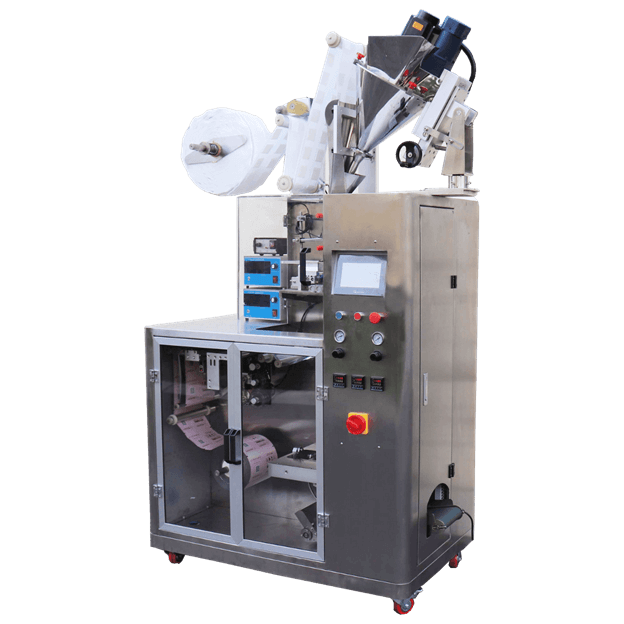
Horizontal Premade Pouch Packing Machine
Model No.: SPM 160 / 210 /260
Speed up to 60 bags per minute
High-efficiency premade pouch packaging machine with affordable price
Various optional weighing & filling systems for liquids, powders, and solids products.
Max Speed
50 bpm
Bag Size
Features
- Automatic Pick & Place bag infeed system
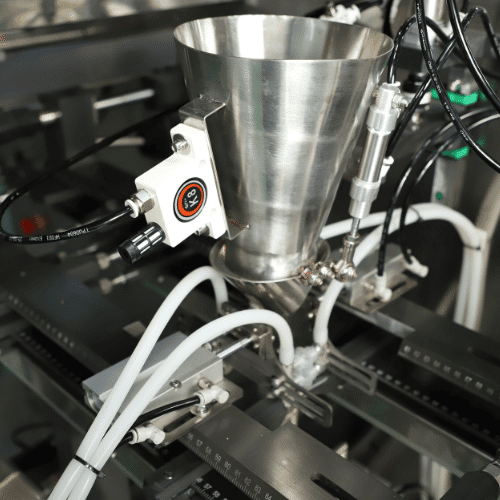
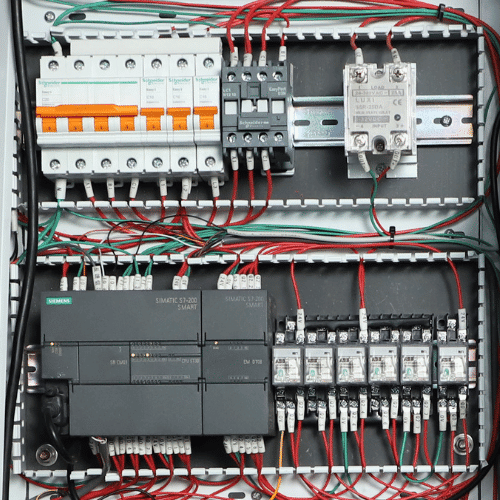
- Siemens PLC control with touch screen operation
- Multi-Language HMI
- Date Coding
- 304 stainless steel frame
- Product detection – no filling, no sealing
- Two step sealing process guarantees clean sealing


Options
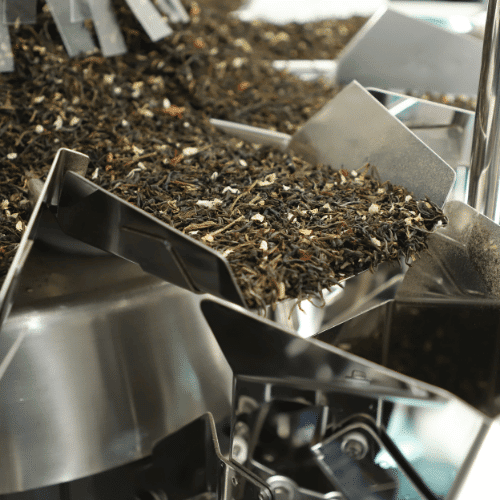
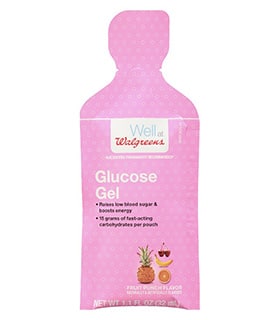
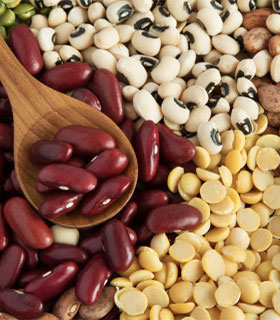
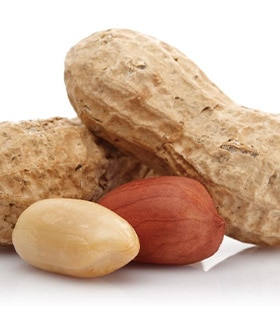
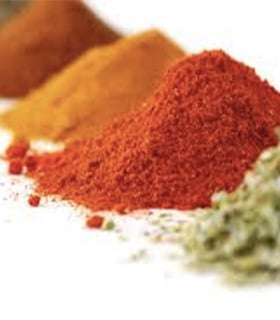
- Various filling systems for powder, granule, liquid, snacks, herbal or other customized products
- Zipper opening & Sealing device
- Metal detectors
- Checkweigher
- Bag deflators
- Dust suction nozzles and dust collector
- Material infeed conveyor
- Collating discharge conveyor
- Ethernet connectivity
- Automatic deoxidizer & spoon feeding station
VIDEO




Film Material
- The laminated film, laminated paper film, aluminum foil film
Optional Features
- Hanging hole, euro slot, carry handle, degassing valve, tear notch, zipper, spout

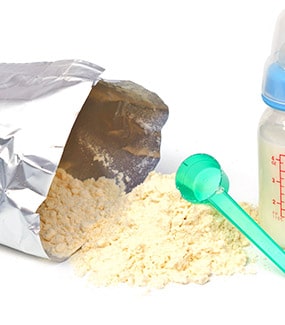


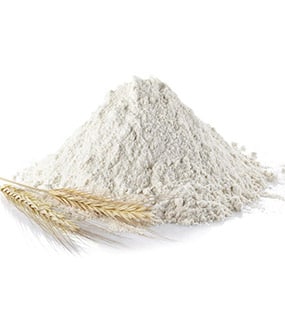
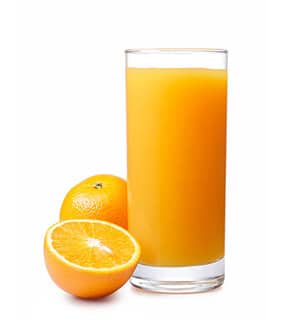


Get A Free Consultation
Dedicated to your production improvement over the years, Spack has been supplying reliable bag packing machines that can adapt to extensive flexible pouch styles.
// FAQ
Q1. What should you tell the packaging machine manufacturer for making a suitable packaging solution?
First, inform the packaging machine manufacturer what product you want to pack: powder, granule, liquid, tea, solid products or other customize product.
Second, inform the packaging machine manufacturer of your packaging machine of the kind of package you want. There are a lot of different package types.
Premade pouches: Doypack, gusset bag, block bottom bag.
Pouches from roll stock: stick pack, pillow bag, 3 sides seal sachet, 4 sides seal sachet, gusset bag.
Thirdly, tell the packaging machine manufacturer about your daily production capacity and the budget of the project.
Finally, you should advise the packaging machine manufacturer of the installation of the machine. The company that makes packaging machines will give you a layout plan that fits your workplace.
Q2. How do you compare semi-automatic and fully automated packaging machines?
A semi-automatic packaging machine and a fully automated packing machine are easily distinguished by the amount of manual labor required throughout the mechanical production process.
Semi-automatic processes include actions like bag feeding, bag opening, and bottle opening, which need human involvement.
In contrast, if the job is confined to manipulating the touch panel or putting bulk materials into a silo location in a predefined amount, the packing machine is said to be completely automated.
In summary, the primary distinction between the two kinds of packaging machines is their automation degree. The more automated the machine, the more costly it will be.
It’s vital to remember that even a semi-automatic packaging machine may be run with just a little amount of manual effort.
Q3. Is it hard to operate a packing machine?
Spack Machine’s Packing Machine is well designed for easy use and does not need professional skill, all HMI of machines is in English, and most of the adjustments can be done by set by changing the setting on the touch screen, and we use modular design for the mechanical part.
Most first-time users can follow our guide document and video to use the machine and complete the product or bag size changeover easily.
Q4. What kinds of flexible packaging equipment do you provide?
Spack Machine offers a diverse selection of packing machines to meet your requirements.
Our Pouch Filling and Sealing Machines are loaded with prefabricated bags and then loaded and sealed with contents. These devices are easy to use and may be operated by personnel with little or no technical knowledge.
Their finished product exudes elegance.
Because these machines are simple to change for new bags, they are suitable for organizations that need a range of bag sizes as well as short-run production requirements.
In addition, we provide VFFS (Vertical Form Fill Seal) packaging machinery for your convenience. This machine forms bags vertically, fills them with items, and then closes them tightly around the contents.
These machines are cutting-edge and complex, with the ability to work at high rates while incurring the lowest possible operating expenses.
Their management and troubleshooting requirements are higher, however, and they are thus best suited to specialized lines with limited variation in product and bag types and fewer variables to handle.
Finally, we supply auxiliary packing equipment such as material conveyors, package conveyors, and weight checkers to complete the packaging process.
Q5. What should you do before installing the packing machine in your factory?
Ensure that all machine size specifications and layout requirements are met with your workshop.
Arrange a forklift for equipment for installation when the machine arrives.
Additionally, please talk with the packaging machine supplier about the power supply in your workplace, and make sure they make the machines can run perfectly under it.
Q6. What is the cost of packing machinery?
This question does not have a simple or straightforward answer. Each customer’s packing needs necessitate a unique solution.
As a result, it is impossible to construct a “standard price” model.
For example, what you want to package, how long it takes, how many bags there need to be, and how quickly you need them delivered all contribute to the cost of a machine.
The more complicated, specialized, or high-speed the packing process, the more expensive it is.
Q7. What are packing machine fillers and dosers? Do I need one for my company?
Integral filling or dosing equipment precisely measures the exact quantities of product in the packing machine before distributing it into the bags.
Most of the time, fillers are situated above or to the side of the packaging machine.
Depending on your unique needs, different fillers will be recommended for you. The following are a few of the most often encountered:
- Volumetric cups are a cost-effective means of filling free-flowing objects with precise volumetric measurements.
- Liquid pumps are normally powered by a piston engine and are used to precisely measure the quantity of liquid product to be deposited in bags.
- While multi-head scales are often used to weigh solid objects. Weigh buckets are used to weigh the commodities before they are packed in bags using this very exact equipment.
- Auger fillers are often used in the production of powdered products. A lengthy screw-like device is used to measure the contents of bags in this machine.
Spack Machine also provides other customize feeders for special shape products, such as Robotic hands, Card feeders, Vibratory tray feeders, etc.
Q8. How are roll stock film and premade bags different?
Having a clear idea of the kind of packaging you need helps the equipment maker in making a recommendation for the best machine.
Flexible packaging may be classified into two broad categories:
Packing material (typically plastic) wrapped around a hollow core is known as roll stock film. Pre-printed pictures are common. Roll stock refers to a roll of printed or laminated film.
You may manufacture pouches on your own, or with the aid of a co-packer, utilizing roll stock. These include granola bars, pre-packaged snacks like pretzels, potato chips, tortilla chips, and other single-serving snacks.
One end of a form-fill-seal machine is used to feed a huge roll of film into the machine, where it is molded and filled before being sealed shut. In terms of cost per bag, roll stock film is frequently more cost-effective and can be processed at high rates.
Prior to delivery to packaging facilities, these bags are molded to their final bag form at preproduction facilities. To fill and seal the bags, they are fed through a pouch fill and seal machine.
While premade bags provide an unmatched look, they can cost more per impression than bags manufactured from roll stock film.
Premade bag packing is a kind of packaging in which the bag is prepared ahead of time and then filled with the goods to be packed.
Q9. How can I find the most reliable packaging machine manufacturer in China?
Manufacturers should be able to provide you with all of your packing equipment, including additional packaging supplies.
If you have specific packaging needs, your packaging machine manufacturer must provide the best solution.
Your packing machine manufacturer should be able to give you a low machine price as well as outstanding installation and repair parts services.
There should be no confusion about the packaging needs of your goods between you and the company that manufactures your packing machinery.
Additionally, your packing machine maker should offer services such as export package data, shipping space procurement, installation, testing, and replacement components.
These are the things that you should look into when you are trying to look for a credible packaging machine manufacturer.
 EN
EN  FR
FR  RU
RU  ES
ES  PT
PT