
Rotary Premade Pouch Machine in Operation
One complete cycle: pouch pickup, opening, filling, sealing and discharge.
We build VFFS, rotary premade pouch, flow wrap, sachet, stick pack and tea & coffee bag machines in our own factory, about 30 machines a month. Tell us the pouch you need to produce: we match the machine and send a free sample test video.
Background footage: Spack Machine equipment.
Most buyers already know what the finished pack looks like. Pick it below and you land on the machine route that produces it — no form, no sales call first.
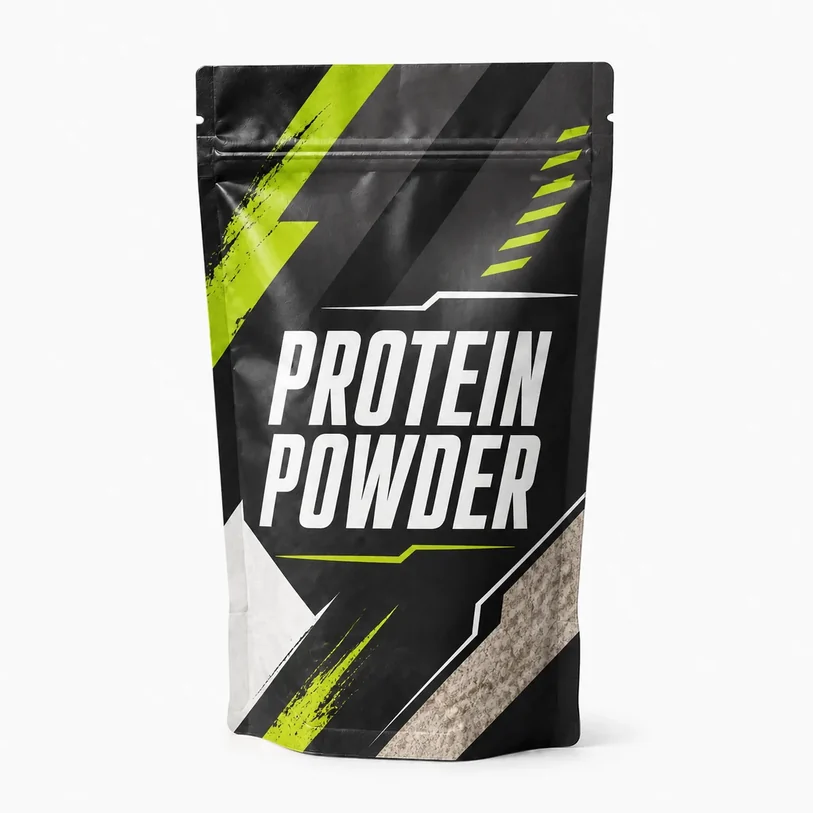
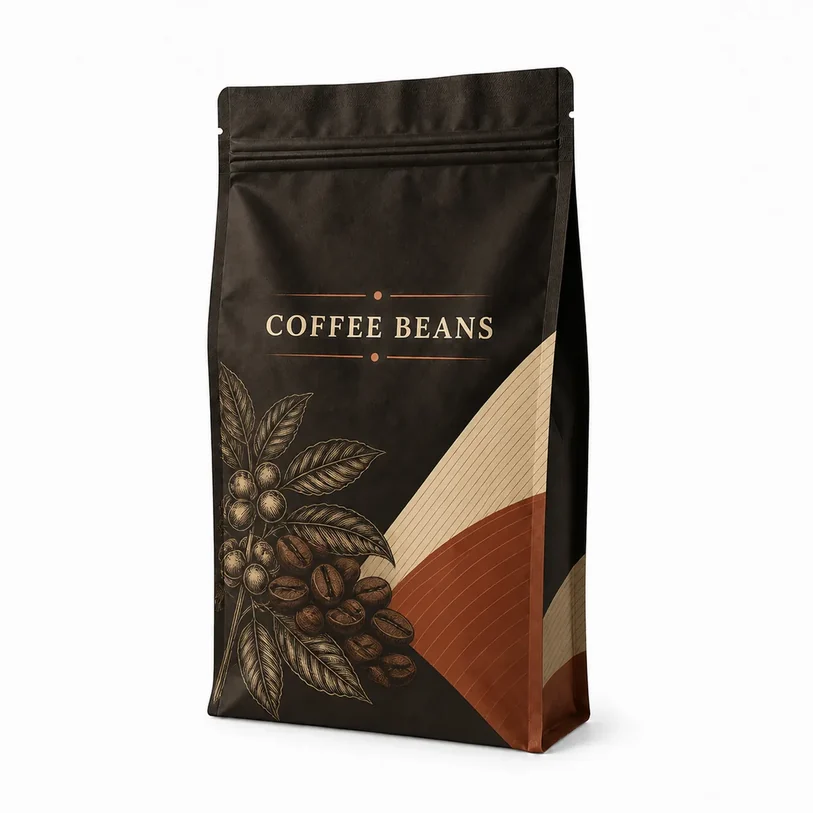




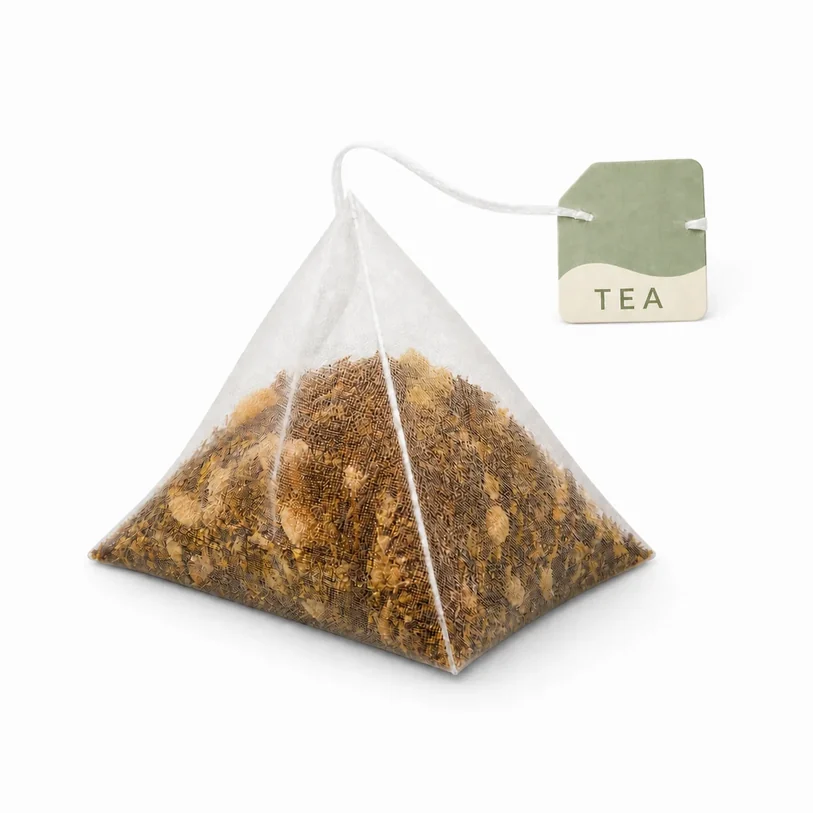
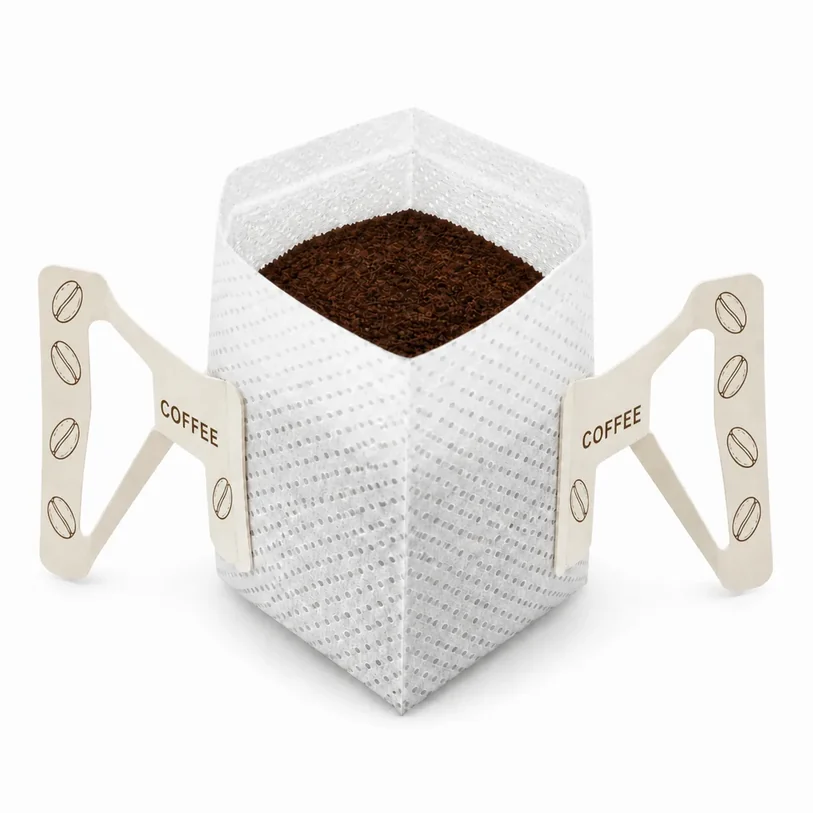
Illustrations of typical pack formats.
Don’t see your pack? Quad-seal bags, 3-side sachets, flat filter tea bags and spouted gusset bags run on these same routes. Send a bag drawing and we will tell you which one applies — or tell you if none of them do.
Pack not decided yet? Then start from the product instead — it usually constrains the pack more than the other way round. Powder · Granule & Solid · Liquid & Paste · Tea & Coffee
Choose a machine family by how your bag is made. Each card lists the typical pack formats it produces.
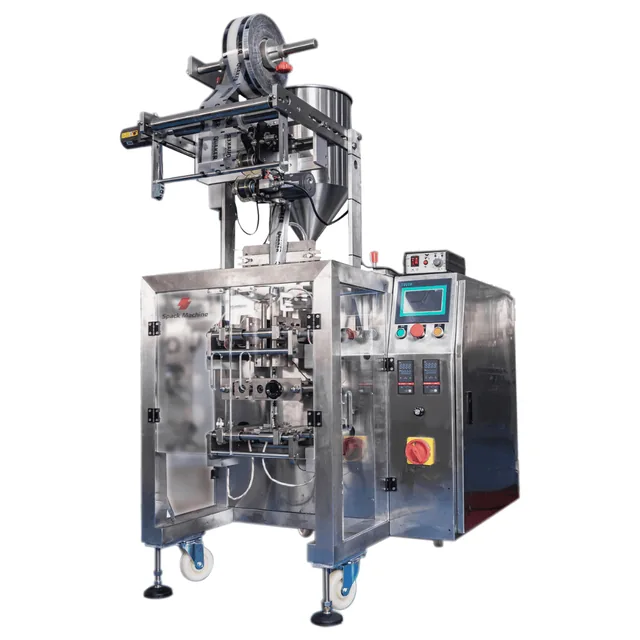 Hover to see the packs

Forms the bag from a roll of film, then fills and seals it. Use the sachet and stick routes to review the forming set and lane configuration for a small-pack project.
View VFFS machines →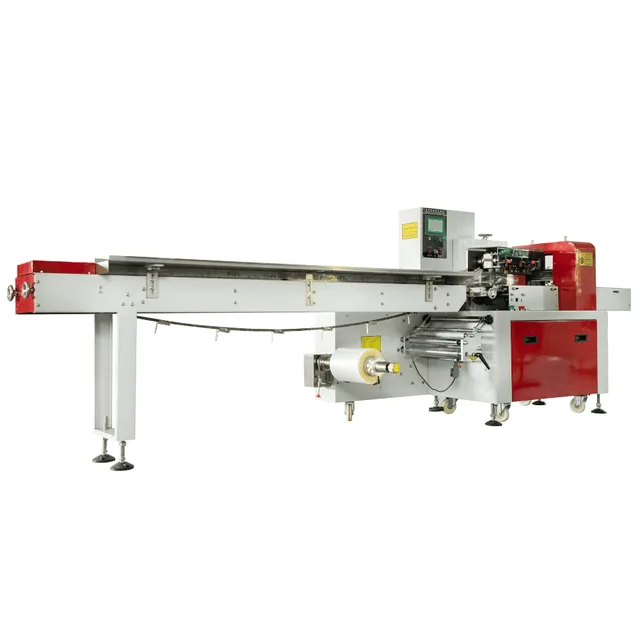 Hover to see the packs


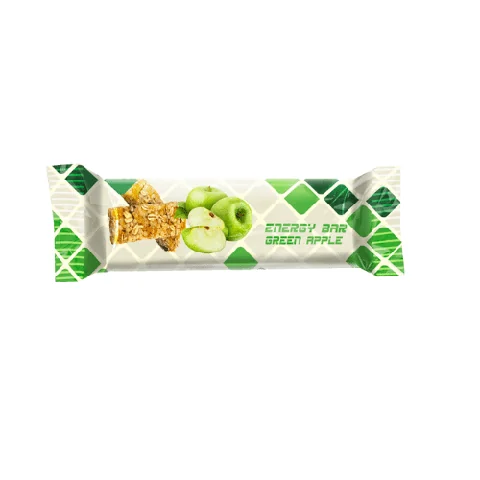

Horizontal flow wrapping for solid items that hold their own shape — wrapped in a film pillow with a fin or lap seal.
View HFFS machines →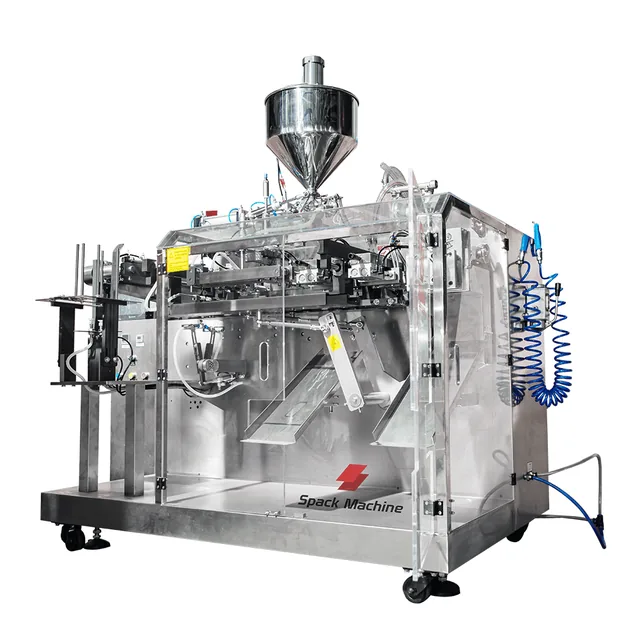 Hover to see the packs
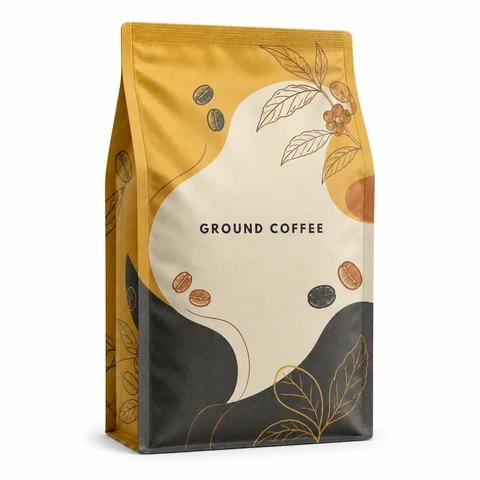
Fills and seals bags that arrive already made. You buy the bags; the machine opens, fills and seals them.
View premade bag machines →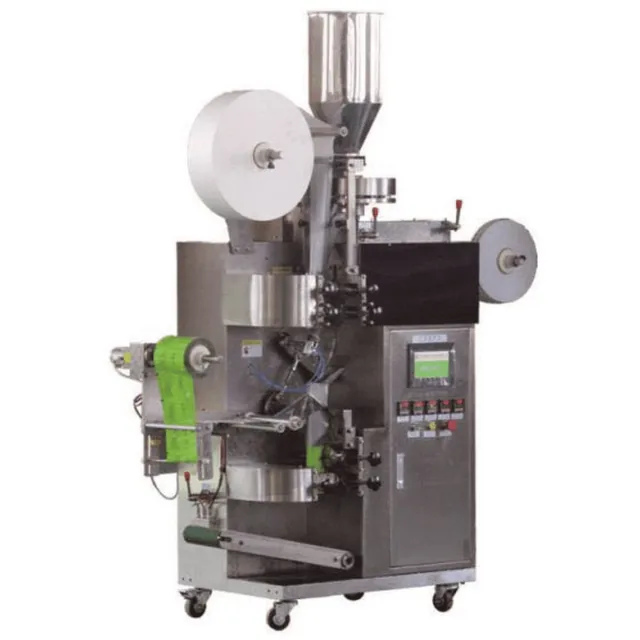 Hover to see the packs
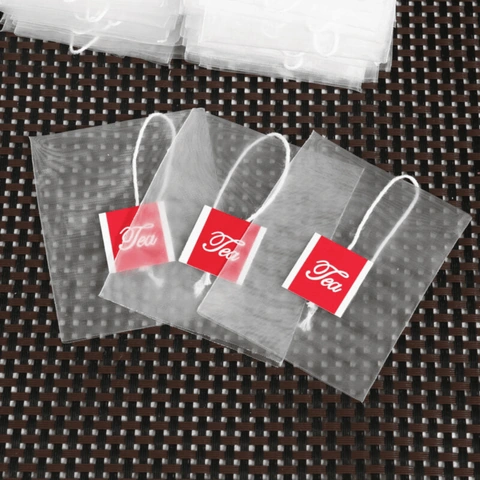

Pyramid and flat filter tea bags, drip and steeped coffee bags. Some configurations add an outer envelope; others produce the inner bag only. Choose the line from the finished pack you need.
View tea & coffee machines →Looking for sachets or stick packs? Both start from rollstock, with a forming set selected for the finished pack. Compare sachet machines → or compare stick-pack machines →.
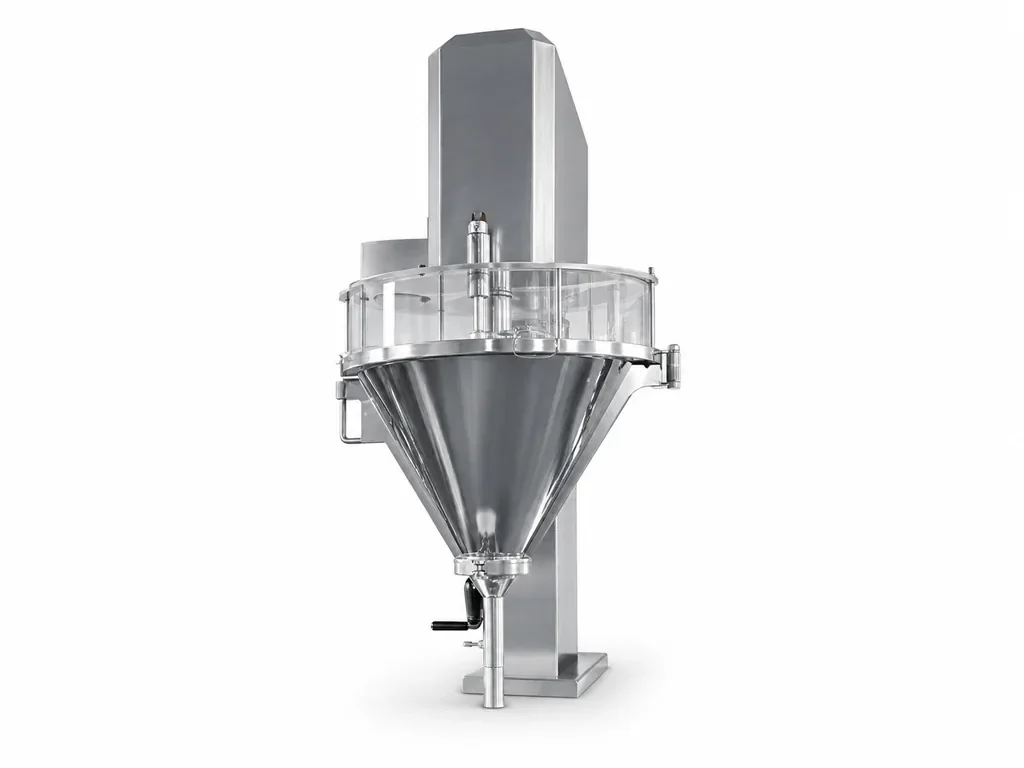
The dosing system is chosen by how your product behaves, not by the machine family. It is the part most often missing from a cheap quotation.
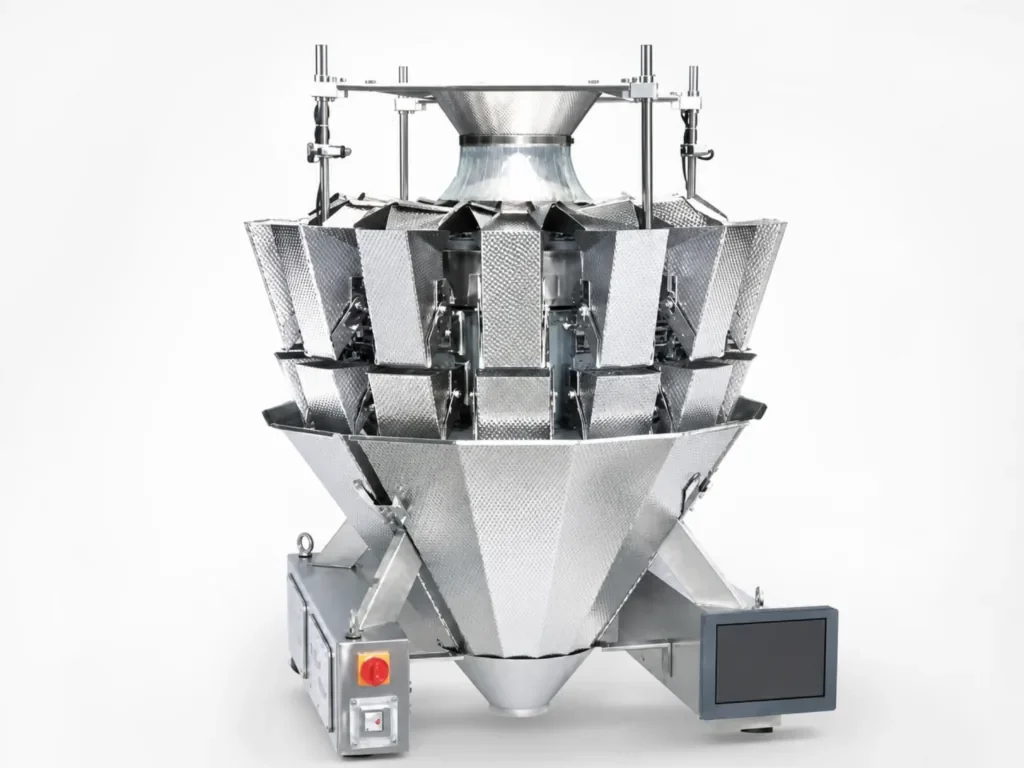
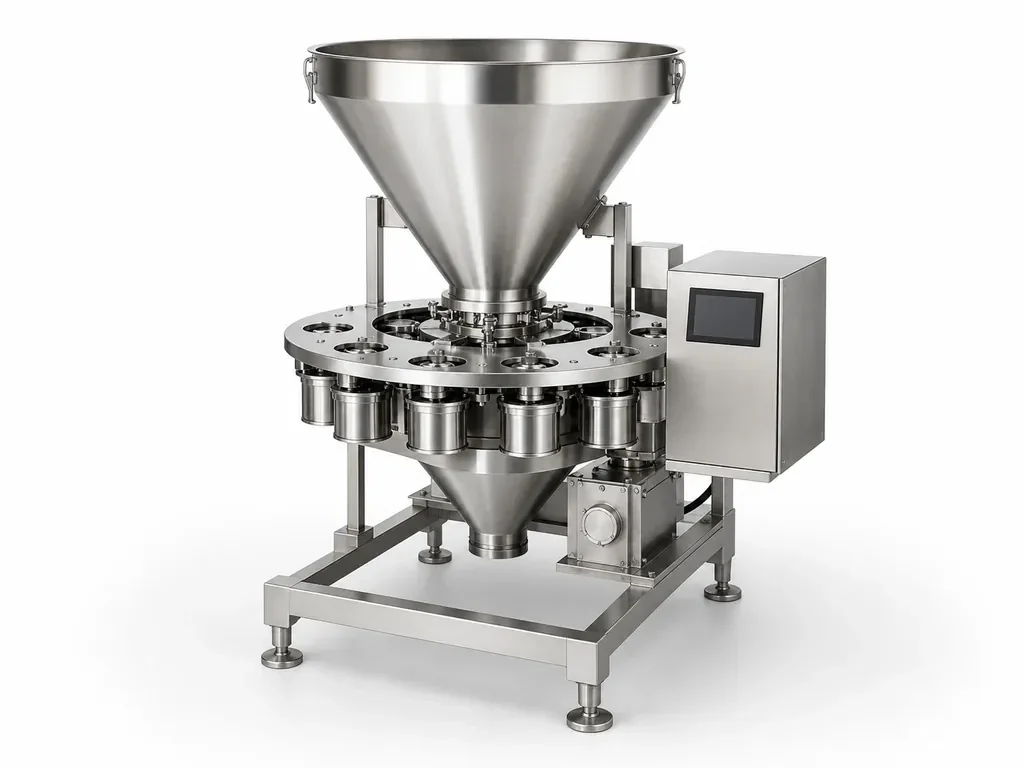
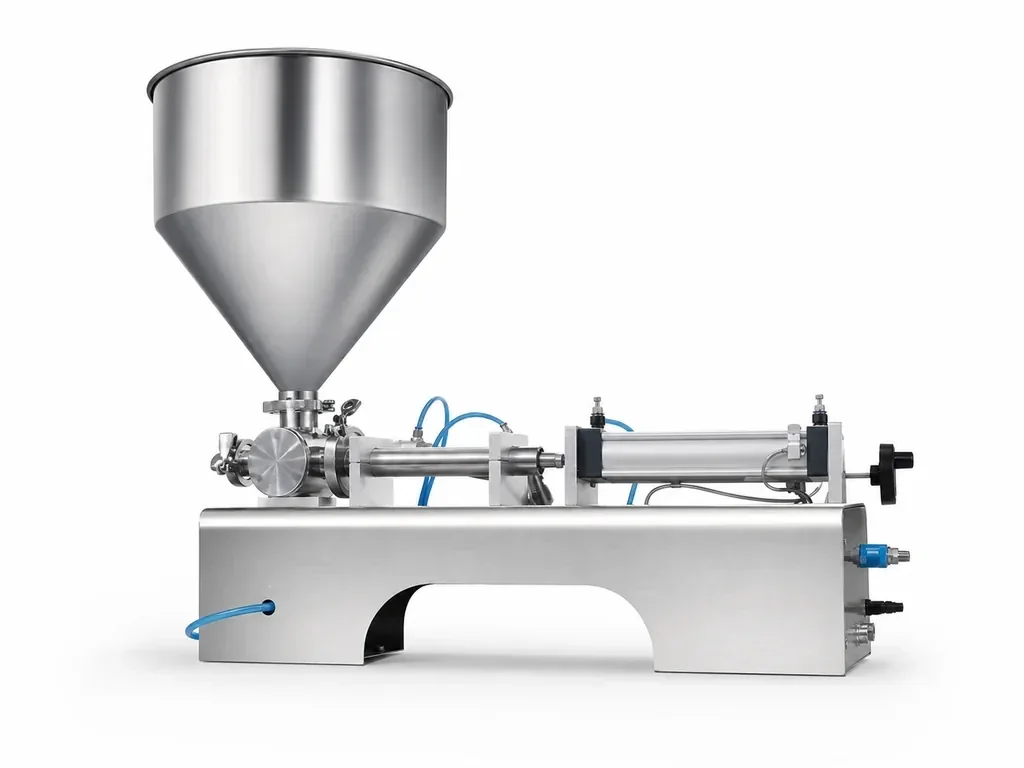
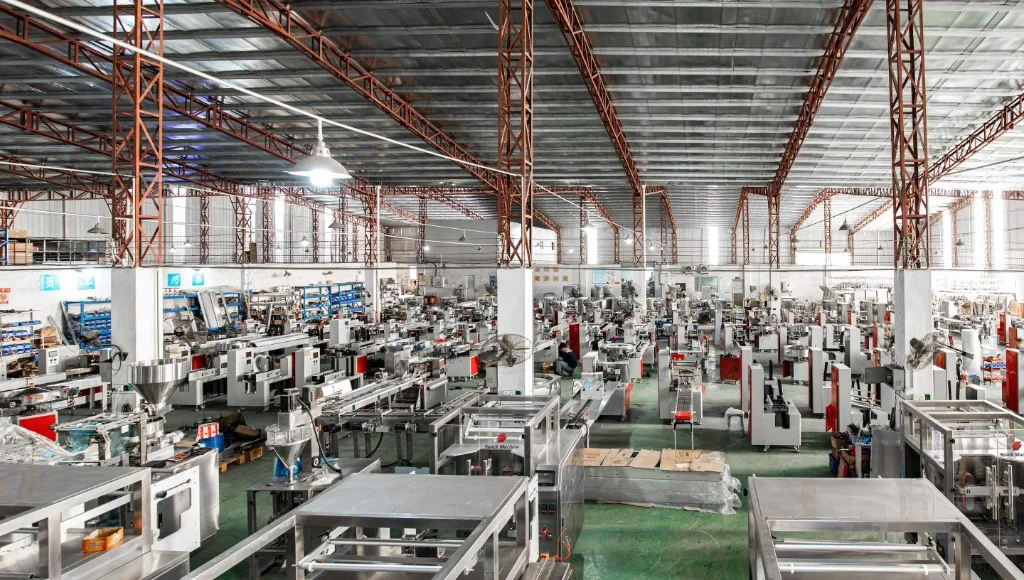
Application review, configuration, assembly, setup and project testing happen on this floor — not through a trading desk.
Buying a machine from overseas means trusting numbers you cannot verify yet. These four rules are how we make that easier — hold us to every one.
Compare output figures with the product, fill weight, bag size and film stated. A dry-cycle maximum is not a production rate.
Send the product and the bag drawing and we run a sample test — before either side commits money to a build. Available on request.
Machine, dosing, infeed, coding, inspection, conveying and outfeed on separate lines, with exclusions and what you supply.
When a machine is a poor fit for your product, we say so and point you to the route that does fit.
Once the scope is agreed, speeds, delivery and warranty terms are written into the signed contract.
One uncut cycle on our own equipment. Customer footage follows in the next chapter. The video loads only when you click it.
One complete cycle: pouch pickup, opening, filling, sealing and discharge.
What you can ask for. A test video of your own product within 3 working days of receiving samples, a live video call from our assembly floor, and a copy of our CE certificate (Machinery Directive 2006/42/EC, UDEM Cert. M.2024.206.C100050).
Two separate sets of evidence, shown separately on purpose: footage we are authorised to publish from three customer locations, and brands whose products have been packed on Spack Machine equipment.
Published with each customer’s permission: customer sites in the United Kingdom and Indonesia, and a repeat client in Oregon, USA.
Filmed in the customer’s own production area. The person on camera speaks first — the machine runs later in the clip.
Recorded during a visit to a client we have supplied more than once. Useful if you want to see what the relationship looks like after handover.
Installed and running on the customer’s own production floor.
A separate group from the three locations above: brands whose products have run on our machines.





Control, drive, vacuum and pneumatic hardware is chosen around each machine configuration. The final bill of materials in your written scope governs.
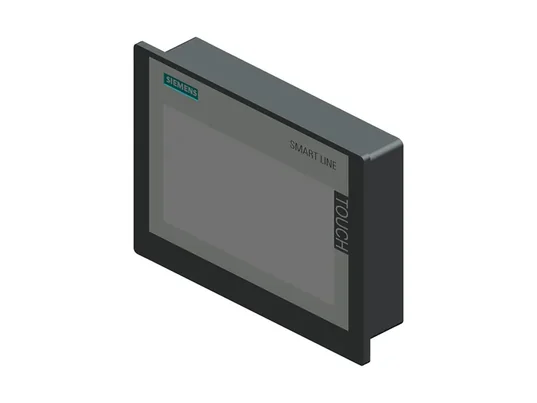 SiemensOperator interface
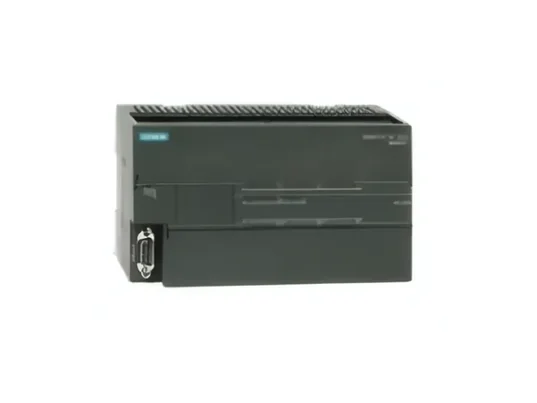 SiemensMachine controller
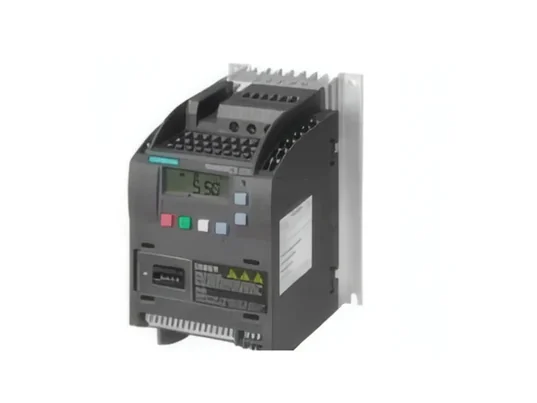 SiemensMotor speed control
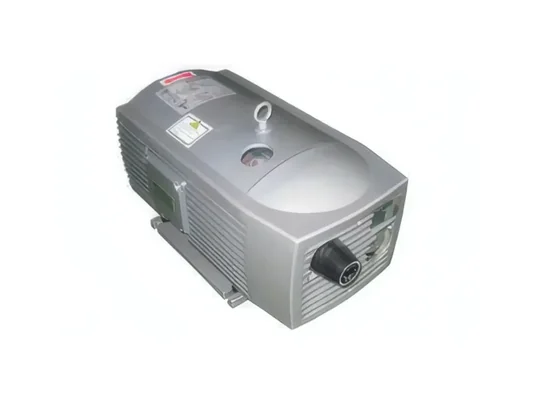 BeckerVacuum generation
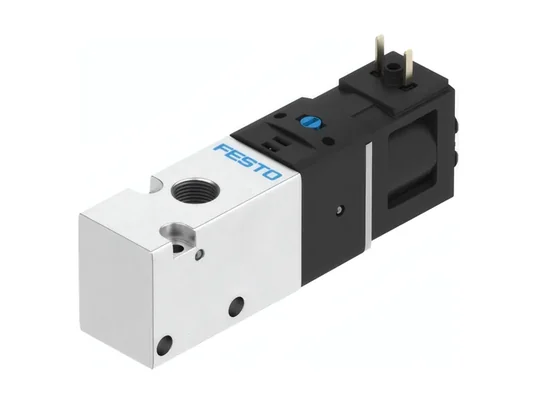 FestoPneumatic control
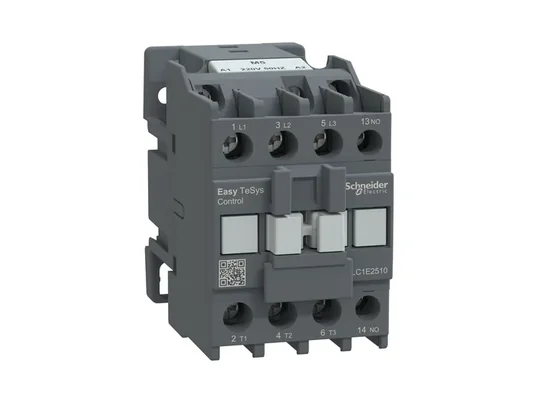 Schneider ElectricElectrical switching
The most common budget surprise is not the machine price. It is discovering that the things around the machine were never in the quotation.
Eight stages from first enquiry to ongoing support. The two marked in red are where the fit is actually decided.
Start with product fit, quotation scope and the checks you need before ordering.
Spack Machine is a manufacturer. Since 2016 we have built pouch packing machines in our factory at Shengping Industrial District, Jinping District, Shantou, Guangdong, China: VFFS, rotary and horizontal premade pouch, flow wrap, sachet, stick pack, pyramid tea bag and drip coffee bag machines, plus the dosing and conveying equipment around them.
The assembly floor builds about 30 complete machines a month on average, up to about 50 at peak. Models listed on our CE certificate (VFFS, flow wrap, premade pouch, sachet, stick pack, pyramid tea bag and drip coffee bag machines) are CE marked under the Machinery Directive 2006/42/EC, UDEM Cert. M.2024.206.C100050; a copy is available on request. You are welcome to visit the factory or ask for a live video call from the floor.
No specification sheet can answer that on its own, because product behaviour decides it. Powder flow, particle shape, moisture, static, viscosity and film structure all change the result, and two products sold under the same name often behave differently on the same machine.
Spack Machine narrows the route from your product description, fill weight and bag drawing. Sample testing is available on request. Browse the pack formats and machine families to find a starting point.
Because a speed quoted without conditions is not a production rate. The same machine runs at very different rates on a free-flowing granule than on a light, dusty powder at the same fill weight.
A headline speed without the product, fill weight, bag size or film may be a reference or dry-cycle maximum. It is not enough to plan production. Ask for an output figure tied to your product and pack, with the test conditions stated.
Ask for finished packs from a run with your own product — not brochure photographs. Three things are worth requesting: the front and back of the bag, a close-up of the seal, and the weight spread across a batch rather than one flattering figure.
Fill accuracy moves with your product’s density and flow, so an accuracy figure achieved on another company’s powder tells you very little about yours. Where coding or checkweighing matters, agree what gets checked and what happens to a rejected pack while the configuration is still open.
Commonly excluded: product delivery to the machine, downstream handling beyond the quoted outfeed, building services such as the power drop, compressed air supply and extraction, civil work, spare parts beyond the initial set, film and bags, and anything on your side of a defined interface.
Spack Machine quotations list these explicitly rather than leaving them to be discovered later. When you compare two quotations, read the exclusion lists first — that is usually where the real price difference sits.
A quotation you can actually compare prices the base machine, dosing system, infeed, coding, inspection, conveying and outfeed as separate lines; states every speed against a named product, fill weight, bag size and film; and lists what it excludes and what you are expected to supply.
Installation, training and the initial spare parts set belong on their own lines rather than being assumed. Two quotations that differ by ten or twenty percent in price often differ by much more than that in scope. If this is your first automated line, the first packaging machine buying guide walks through the comparison in more detail.
Six things decide whether a machine can be installed and integrated: floor area and ceiling height, power supply and phase, compressed air, infeed and outfeed heights, the equipment immediately upstream and downstream, and the signals that have to pass between them.
Send a layout drawing, or even a phone photo of the space with rough dimensions. Ask any supplier to put footprint, utility requirements, infeed and outfeed heights and interface signals in writing before you order — those four items are where most integration surprises come from. Machines can be supplied standalone, as a cell or as an integrated line, and the answer differs for each.
Both depend on configuration rather than machine family, so any single number quoted without your bag range is guesswork. How much of the infeed is automated, how many bag sizes you run, whether tooling has to be physically swapped and whether settings are stored per product all change the answer — two machines quoted at the same output can be very different to live with.
Tell us your bag size range and how often you switch between products. And ask to watch a changeover on video rather than read it as a bullet point; it is the clearest way to see what your shift will actually be doing.
Budget for film and bags, wear and spare parts, shipping and insurance, import duty and customs clearance, site preparation including any power or compressed air work, installation and training, and the production time your own team spends during commissioning.
The purchase price is the easiest number to compare and the least complete one. On a first automated line the surrounding costs are rarely trivial, so it is worth building that list early even in rough figures — the packing machine ROI calculator is a starting point for the arithmetic.
Warranty coverage extends for 12 months from the date of machine receipt. During that period, defects or malfunctions are covered by technical support and complimentary spare parts for replacement; freight on those parts is borne by the buyer.
From dispatch onward, support is available by phone, WhatsApp, WeChat or video call, together with operator training. Most issues can be resolved remotely. When an onsite visit is required, Spack Machine arranges a technician; the service fee, round-trip airfare and accommodation are the buyer’s responsibility.
Before shipping, the machine is run against the factory acceptance conditions agreed for your project — see the project path. What is tested, with which product and film, and who may attend or witness are written into that agreement when the configuration is frozen. Ask for those details in the proposal rather than assuming a standard set.
Tell us what you pack. An engineer replies with a suitable model, configuration and price. Partial details are fine.
Helpful to include
Request a quote
Fields marked * are required. Everything else helps us answer faster.
Prefer chat? WhatsApp +86-13226819993 or email sales@spackmachine.com