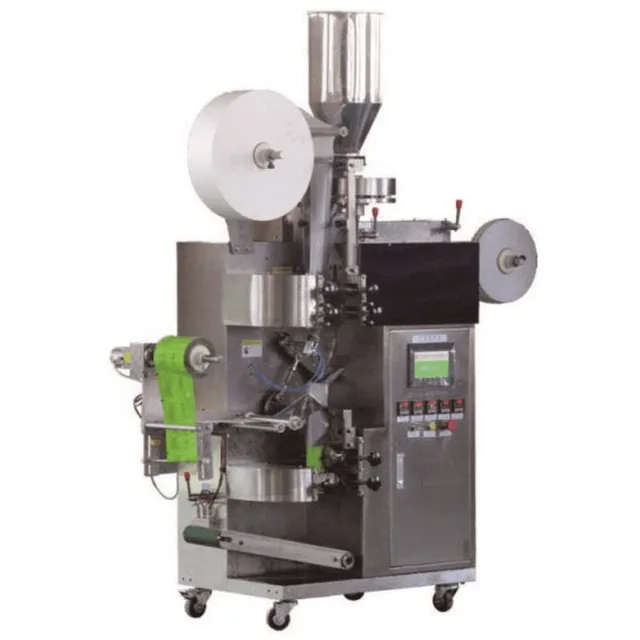
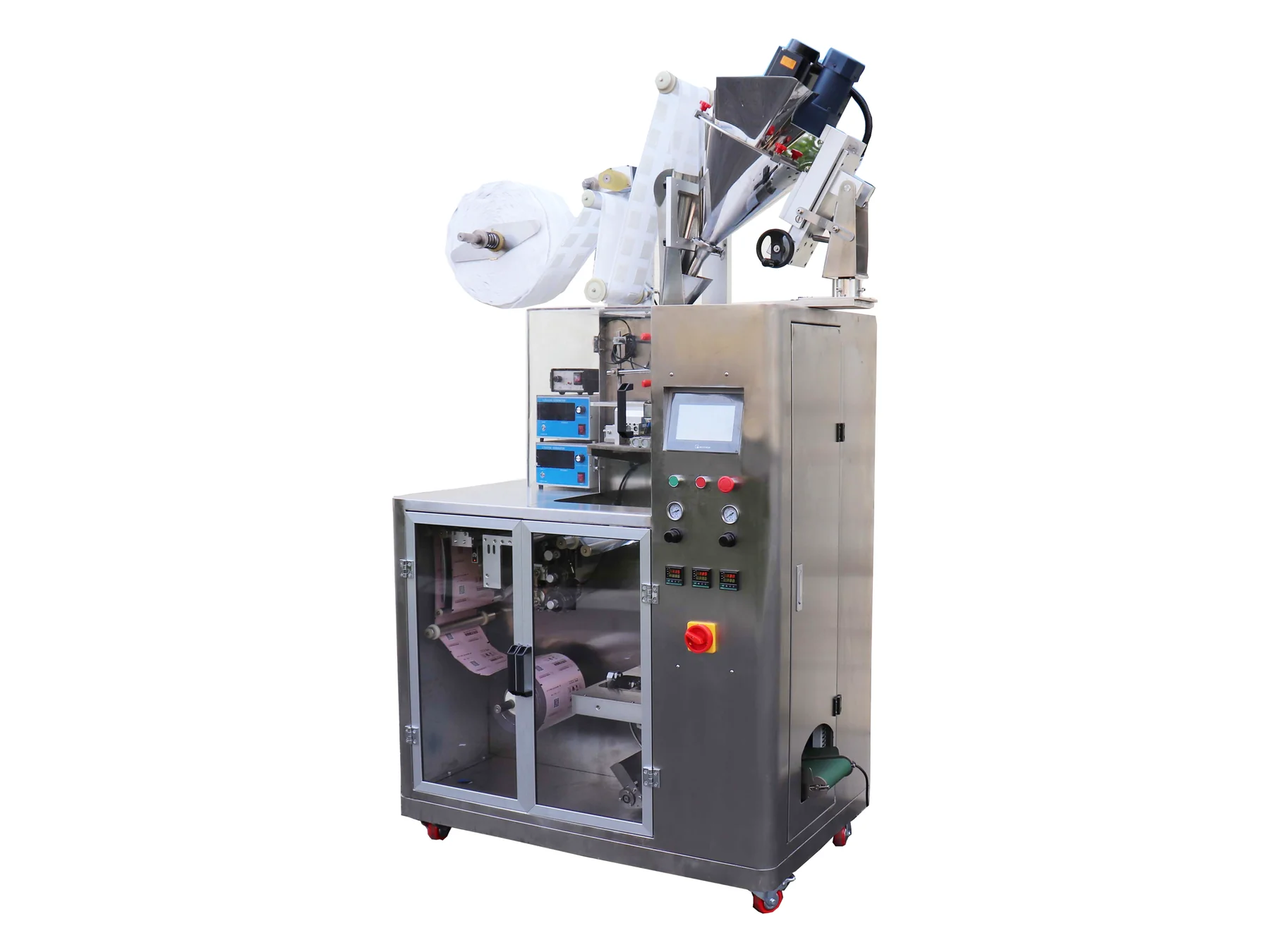
Japanese and Chinese drip coffee bag machines make the same product: a hanging-ear filter bag sealed into an outer envelope. Japanese machines, such as FUSO’s, publish higher top speeds and are usually the larger investment. Chinese machines, such as the Spack Machine SPM-T300 at 30–70 bags/min, suit roasters and co-packers that need a lower investment, a short lead time and simple service.
This guide compares the two on speed, materials, investment, lead time and support, and lists what to ask any supplier. Figures for other makers are as published by the company or trade press; confirm current specifications and prices with each maker.
What a drip coffee bag machine does
A drip coffee bag machine doses ground coffee, forms and seals the inner filter bag with its hanging ears, then seals each bag into a printed outer envelope. Most machines seal the filter ultrasonically and heat-seal the envelope, and many offer nitrogen flushing of the envelope to protect aroma. The hanging-ear drip bag is widely credited to Japan, where it is still a mainstream retail format. Read what is drip bag coffee for the format itself.
Japanese vs Chinese drip coffee bag machines
Japanese builders such as FUSO International are known for tea and coffee bag machines; trade press has reported a FUSO drip bag machine running at about 80 bags/min. Chinese builders publish speeds of roughly 30–80 bags/min, and most supply buyers in Asia, Europe and the Americas directly.
| Factor | Japanese-built machines | Chinese-built machines (SPM-T300 as example) |
|---|---|---|
| Published speed | About 80 bags/min reported for a FUSO model | Typically 30–80 bags/min; SPM-T300 30–70 bags/min |
| Inner bag and envelope | Hanging-ear bag with envelope; sizes by model | SPM-T300: inner bag 90 × 70–74 mm, envelope 100 × 120 mm |
| Sealing | Ultrasonic inner bag, heat-sealed envelope | Ultrasonic inner bag, heat-sealed envelope |
| Nitrogen flush | Available by model | SPM-T300: option, quoted separately |
| Investment | Usually higher; quoted per project | Usually lower; itemized quotation per configuration |
| Lead time | Confirm with the maker or distributor | SPM-T300: 28 days standard from deposit and approved configuration |
| Service | Through the maker or local distributor | Remote support first; on-site visits arranged on agreed terms |
| Best fit | Large brands running several shifts on one format | Specialty roasters, private label brands and co-packers |
Price and output matter less than whether the machine runs your coffee, filter and envelope film. Grind size, oil content and filter material change dosing accuracy and seal quality on every brand of machine.
SPM-T300 specifications
The Spack Machine SPM-T300 doses ground coffee, forms and ultrasonically seals the hanging-ear filter bag and heat-seals it into the outer envelope on one machine.
| Item | SPM-T300 |
|---|---|
| Speed | 30–70 bags/min, depending on coffee, dose, bag size and envelope; confirmed in a sample run |
| Inner filter bag | 90 × 70–74 mm |
| Outer envelope | 100 × 120 mm |
| Options | Nitrogen flushing of the envelope, coding |
| Power and air | AC 220 V, 50/60 Hz, 5.65 kW; compressed air 0.5 MPa minimum |
| Footprint and weight | 1203 × 809 × 2141 mm; about 440 kg |
| CE | 2006/42/EC, UDEM Cert. M.2024.206.C100050 |
| Lead time and warranty | 28 days standard; 12 months from receipt |
We also supply drip coffee bag filter rolls, including for plants that run machines from other brands.
How to choose a drip coffee bag machine
- Fix the bag first. Inner bag size, fill weight (usually 8–12 g) and envelope size decide the model and tooling.
- Size speed to volume. At 40 bags/min a machine makes about 19,000 bags in an 8-hour shift before stops for film and filter changes.
- Test your coffee and filter. Ask for a sample run with your own coffee, filter roll and envelope film, on video.
- Decide on nitrogen. If shelf life matters, ask how the envelope is flushed and how residual oxygen will be checked.
- Compare full quotations: dosing, nitrogen, coding, spare parts, voltage, installation and training.
See the coffee packaging machine overview, the top tea bag packing machine manufacturers, or the tea and coffee packaging knowledge center.
FAQ
Are Japanese drip coffee bag machines better than Chinese ones?
Not necessarily. Japanese machines publish higher top speeds and usually cost more. For most roasters and private label brands, a Chinese machine at 30–70 bags/min is enough, provided a sample run with your own coffee and materials passes.
How fast is a drip coffee bag machine?
Published speeds range from about 30 to 80 bags/min. The SPM-T300 runs 30–70 bags/min depending on coffee, dose, bag size and envelope.
Can one machine make drip coffee bags and tea bags?
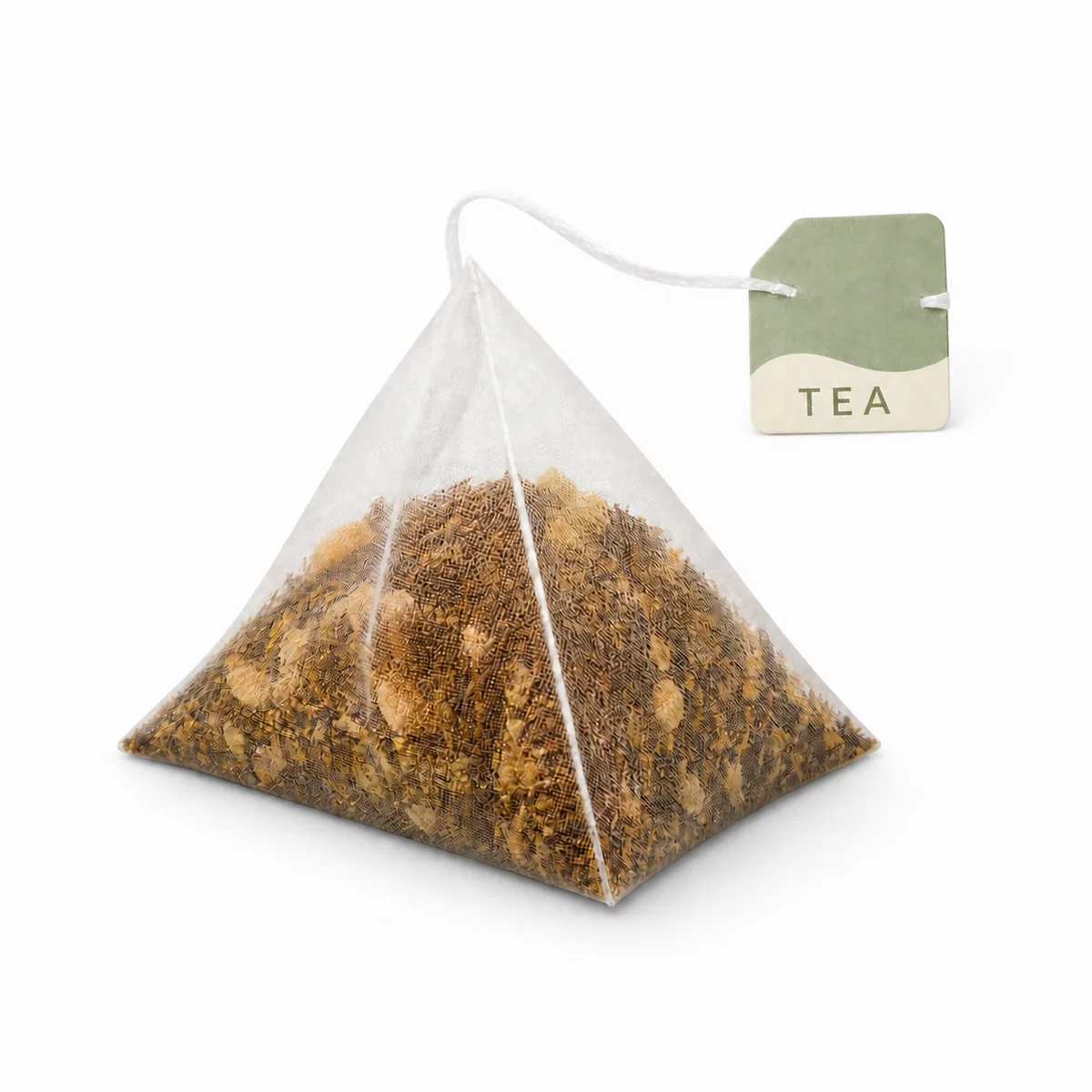
Usually not. Drip bags need hanging-ear forming and coffee dosing; pyramid tea bags run on a machine such as the SPM-600MH.
Can the machine flush nitrogen?
Yes, on most machines as an option. On the SPM-T300, nitrogen is flushed into the outer envelope before the final seal and needs its own gas supply.
Choosing a drip coffee bag machine? Get an SPM-T300 price for your coffee
Tell us what you pack and how many grams. An engineer replies within 12 hours with a suitable model, configuration and an itemized quote. Partial details are fine.
Fields marked * are required. Everything else helps us answer faster.
- First reply within 12 hours
- Used only to reply to this inquiry. Never sold.
Prefer chat? WhatsApp +86-13226819993 or email sales@spackmachine.com