
The line between a six-month shelf life and retailer chargebacks often sits at 0.5% residual oxygen. This exact figure is why this snack packaging case study exists—it’s not about marketing claims, but about the engineering that keeps product fresh and protects your margins. I’ve personally seen a $50,000 PO get rejected because the mass production run failed to match the quality tolerance established during the sample approval phase. It’s a costly lesson in paying attention to the small numbers.
Anyone can quote a high bags-per-minute speed. The real proof for a food operations director comes from the numbers that impact OEE and cost per unit. This is a breakdown of a real industrial snack packing machine outcome, focusing on the metrics that matter: cutting changeover downtime from 45 minutes to 10, slashing material waste from 12% to under 5%, and delivering a full snack packaging machine ROI case study in 14 months. The following data shows exactly how a mid-sized co-packer achieved this, providing the proof needed before you commit capital.

ROI Achieved: 14-Month Payback
Let’s be direct. A 14-month payback on capital equipment is aggressive, and most CFOs are rightly skeptical. For this mid-sized snack co-packer, however, the financial model was straightforward because the gains weren’t theoretical. This wasn’t a simple snack packaging machine ROI case study about speed; it was about a fundamental shift in operational efficiency.
The initial investment in the SpackMachine RPM-250 rotary system was justified by tracking three specific, measurable improvements against their previous manual operation. This provided the clear food operations director packaging solution proof needed for approval.
- Labor Redeployment: Instead of simply cutting headcount, they reassigned two skilled operators per line. These team members moved from the repetitive task of manual bagging to higher-value roles in quality control and line supervision, directly improving oversight without increasing labor costs.
- Material Waste Recovery: The previous manual process bled money at a 12% material waste rate. The automated precision of the premade pouch system cut this to under 5%. This 7-point reduction in loss went directly to the bottom line, representing a significant win in their snack packing line waste reduction case.
- Throughput Gains (OEE): The most significant lever was cutting changeover downtime from a 45-minute ordeal to a sub-10-minute routine, thanks to the machine’s tool-less components. This single factor drove a 20% uplift in Overall Equipment Effectiveness (OEE), unlocking hidden capacity within existing shifts.
A 14-month payback gets a project signed, but a low Total Cost of Ownership (TCO) is what makes it a career-defining decision. The initial CapEx is just the entry ticket. When you model the costs over five years, the sustained material savings, reduced downtime, and the ability to hold a tight quality tolerance without constant manual checks create a financial advantage that far outweighs the initial purchase price. This is the difference between buying a machine and investing in a scalable production asset. For this co-packer, it was a successful flexible packaging for snack foods success story built on hard numbers, not just hope.
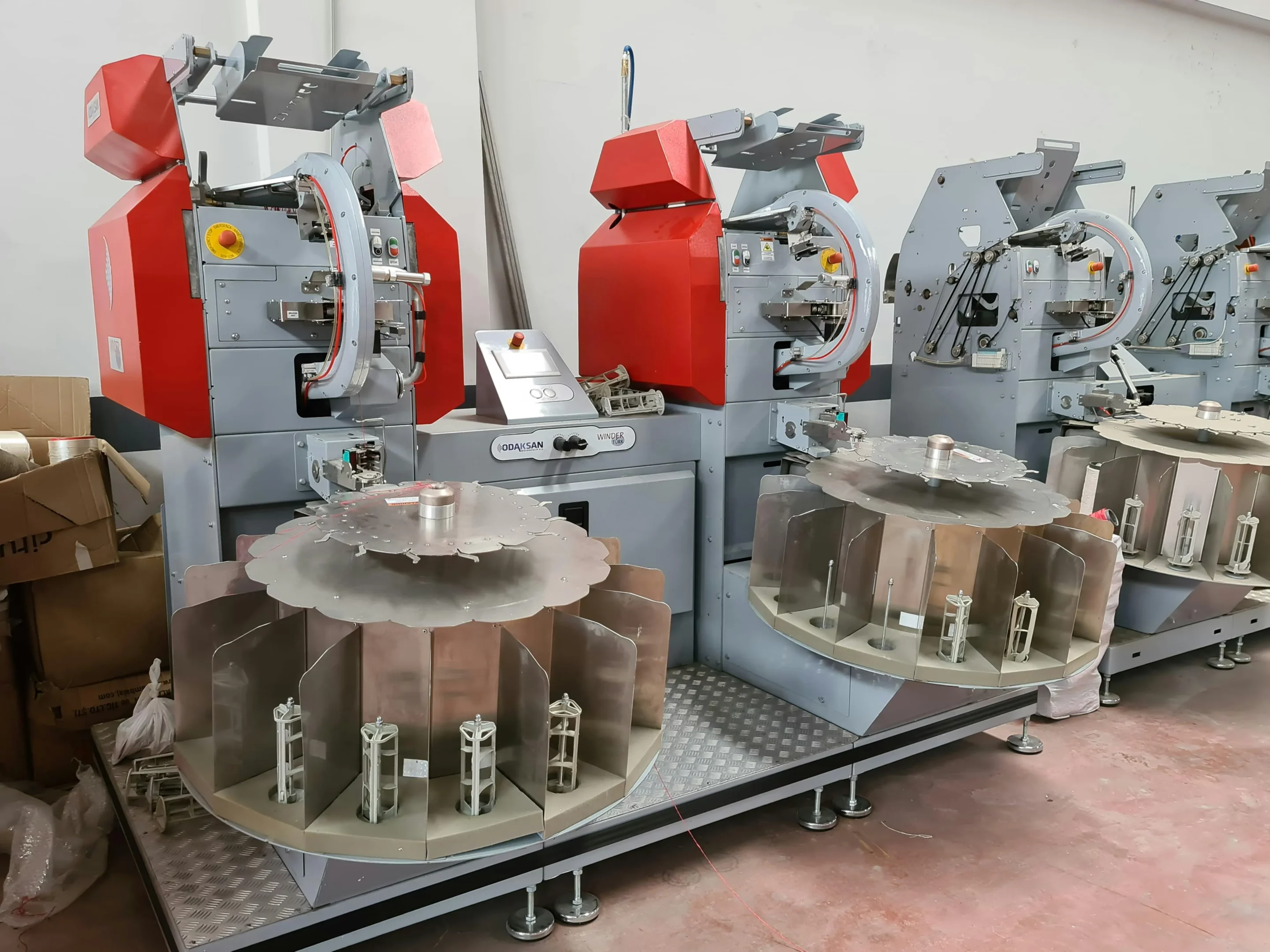
Downtime Slashed: Quick Changeovers
The result: changeover time was consistently reduced from 45 minutes to under 10 minutes, directly boosting Overall Equipment Effectiveness (OEE) by 20%.
For a snack co-packer, a 45-minute changeover between SKUs isn’t just a delay; it’s a direct hit to the bottom line. The real cost isn’t just the operator’s time. It’s the lost throughput and the scheduling chaos that ripples through the entire production floor. This was the reality for the client before implementation—a common pain point that many equipment suppliers dismiss as a “cost of doing business.”.
The shift to the SpackMachine RPM-250 was centered on one critical design philosophy: modular, tool-less changeovers. Instead of requiring a maintenance tech with a cart of tools, operators can swap out key components like bag grippers and forming shoulders by hand. This design provides the concrete food operations director packaging solution proof that efficiency gains are built into the hardware, not just dependent on operator skill.
This isn’t a minor improvement. While many machines in the market claim “quick changeover,” the term is often loosely defined. An industry-standard changeover might still take 25-30 minutes and require specific tools. The ability to execute a full size-over in less than 10 minutes allows for greater agility in production planning, making it profitable to accept smaller, more frequent orders—a key competitive advantage for any premade pouch snack co-packer. This tangible performance leap is what separates a good quick changeover snack packaging machine from a great one.

Flexible Packaging Linings for Mixed Snacks
For mixed snacks, standard LDPE is a recipe for stale nuts and soggy granola, plain and simple.
The central failure point in packaging mixed-ingredient snacks isn’t the machine, it’s the film specification. A standard LDPE pouch cannot handle the conflicting preservation demands of a product like trail mix. High-fat nuts require a robust oxygen barrier to prevent rancidity, while hygroscopic components like granola or dried fruit demand a superior moisture barrier to prevent staling. Opting for a basic film is a common but costly shortcut that directly shortens shelf life.
The correct engineering solution is a strategic shift to a multi-layer film, specifically a polyester (PET) structure laminated with a transparent aluminum oxide (AlOx) barrier layer. This isn’t an incremental change. This specific combination delivers a quantifiable improvement of over 300% in both moisture and oxygen barrier properties compared to standard LDPE. It’s the technical fix required to maintain product integrity for items with varying fat and moisture contents.
This is also where a premade pouch strategy fundamentally outperforms many generic VFFS solutions. While VFFS is effective for simple structures, it often struggles to consistently form and seal complex, high-barrier multi-layer films without compromising the seal area. The quality tolerance for micro-leaks widens. Premade pouches, however, are fabricated in a specialized, controlled environment, ensuring the pouch’s barrier integrity is perfect before it ever reaches your fill-and-seal machine. Your equipment is only responsible for the final top seal, dramatically de-risking the entire packaging process.

Scaling Production with Premade Pouches
Scalability isn’t just about speed.
Buyers have been burned on a $50K order because the golden pre-production sample didn’t
When a major retailer places an order that represents a 70% volume increase, your first thought isn’t celebration; it’s panic about capacity. Throwing more labor at the problem or running a costly third shift is a losing strategy. The real gain comes from eliminating planned downtime. This co-packer’s previous line took 45 minutes for a full SKU changeover. The SpackMachine RPM-250 cut that to 10 minutes. That recovered 35 minutes of production time per changeover, multiple times a day, is how you absorb a massive order spike within your existing operational footprint.
For a growing snack business, your biggest asset is your ability to launch new products and test market variations quickly. A packaging line locked into a single bag size is an anchor. The critical factor for this co-packer was the machine’s flexible packaging range and tool-less changeover. This provided the operational agility they needed.
- Strategic Advantage: The ability to switch from a narrow 80mm-wide jerky pouch to a 210mm-wide family-size trail mix pouch in minutes, without calling in maintenance.
- Operational Reality: This quick-changeover capability is the core of a successful flexible packaging for snack foods success story. It allows for profitable small-batch runs, making it feasible to supply niche retailers or run promotional sizes without destroying your OEE.
- Future-Proofing: Choosing a machine like the RPM-250 with a wide operational window (80-210mm width, 100-320mm height) means you’re buying capacity not just for the products you have today, but for the ones your marketing team will dream up next year.
- Question 1: “Can you provide unedited video of a complete, tool-less SKU changeover, showing the clock from the last bag of run A to the first good bag of run B?”.
- Question 2: “What is the guaranteed production speed (bags per minute) for my most challenging product—the one with the highest dust or most irregular shape—not just your easiest one?”.
- Question 3:”What is the spare parts and technical support protocol for ensuring a customer can maintain that speed and uptime two
Before you sign that PO, ask your potential machine supplier these three questions. If they can’t give you a straight, data-backed answer, walk away.
How does MAP technology affect snack freshness and shelf life?
Adding 6 months of shelf life isn’t a feature; it’s a new market strategy, achieved by hitting a precise engineering target.
For any snack with fats or oils, like mixed nuts or chips, oxygen is the enemy. It causes rancidity, which leads to returned shipments and damaged brand reputation. Modified Atmosphere Packaging (MAP) is the standard defense, but its effectiveness is a numbers game. The difference between a good system and a great one is measured in fractions of a percent.
The integrated MAP system on this premade pouch machine isn’t just blowing gas into a bag. It’s engineered to perform a multi-stage gas flush that actively displaces oxygen. The result is a consistent, verifiable residual oxygen level below 0.5% inside the sealed pouch. This isn’t a lab result; it’s a repeatable production floor metric.
Hitting that sub-0.5% oxygen target is what directly translates to a six-month shelf life extension for the co-packer’s products. This was achieved without resorting to additional chemical preservatives, a critical factor for clean-label snack brands. It protects the product’s intended flavor and texture, ensuring the sample approval matches the final delivered goods months later.
This extended freshness becomes a quantifiable competitive advantage. It allows the brand to enter distribution channels with longer lead times, reduce costs associated with spoilage, and maintain premium pricing. It transforms an operational detail into a powerful sales and logistics tool, providing a concrete answer in any MAP snack packaging shelf life case study.
What are the maintenance requirements for sustained high-speed snack packaging?
Sustained speed isn’t a setting; it’s the result of disciplined, proactive maintenance on key wear parts.
Running a machine like the RPM-250 at a consistent 60 bags per minute is not the same as running it at 40. The stress on mechanical and sealing components increases exponentially. A maintenance plan for high-speed operation isn’t about ‘if’ parts will wear, but about replacing them just before they degrade performance and threaten your OEE.
Forget the manufacturer’s ‘recommended’ schedule based on hours; a professional operation bases its preventative maintenance (PM) on cycle counts and observed performance. For a snack packaging line, this means focusing on the components that directly impact seal integrity and throughput.
- Sealing Jaws & Heaters: Inspect Teflon tape and silicone rubber beds every 80-100 hours of operation. Worn tape causes film drag and poor heat transfer, leading to weak seals that compromise the <0.5% residual oxygen target achieved with MAP. This is a common failure point that directly impacts shelf life.
- Pouch Grippers & Cams: At high speeds, gripper fingers and cam followers are high-wear items. A daily visual check for smooth, consistent pouch pickup is mandatory. Any hesitation or dropping of pouches indicates wear that will quickly escalate into jams and drive your waste numbers well above the 5% benchmark.
- Knives & Anvils: For applications with tear notches, the cutting blade must be inspected weekly and replaced quarterly, depending on film toughness. A dull blade doesn’t just make a poor cut; it can pull and deform the pouch, causing a jam at the next station.
Conclusion
The numbers in this case study set a new performance benchmark. But the real story is the cost of inaction. Continuing with a system that requires 45-minute changeovers and tolerates double-digit material waste isn’t a strategy; it’s a quiet acceptance of eroding margins. Over a single year, that performance gap can easily cost a line over $18,000 in lost throughput and misallocated labor.
Your next step isn’t a sales call; it’s a calculation. Run the numbers on your own line’s changeover speed and waste percentage. If they don’t match the outcomes in this industrial snack packing machine real outcome, review the specific SpackMachine configurations that are proven to close that gap.
Frequently Asked Questions
What were the results of the snack packaging case study?
The co-packer achieved a 14-month return on investment by reaching 60 bags per minute with under 5% material waste. This was accomplished using SpackMachine’s premade pouch rotary system. These results depend on consistent film quality and operator training.
Who was the client in the snack packaging case study?
The case study features a mid-sized snack co-packer who needed to increase throughput and reduce labor dependency. For confidentiality, their specific brand name is not disclosed in the report. The operational challenges and solutions are common across the snack industry.
What machine specifications delivered the 14-month ROI?
The 14-month ROI was delivered by a premade pouch rotary system featuring tool-less changeovers and integrated MAP gas flushing. These specs enabled speeds of 60 bags/minute while reducing. The specific machine configuration is tailored to pouch size, product, and line speed requirements.
How does MAP technology affect snack freshness and shelf life?
Integrated MAP technology extends snack freshness by flushing pouches with nitrogen to lower residual oxygen levels. In this case, dropping oxygen below 0.5% extended. The exact gas mixture and target oxygen level will vary based on the snack’s fat and moisture content.
What are the maintenance requirements for sustained high-speed snack packaging?
Sustaining high speeds requires a strict preventative maintenance schedule for cleaning, inspection, and lubrication of key components. The machine’s tool-less design simplifies operator access for these routine checks and. A detailed maintenance checklist is provided with the machine’s technical documentation upon installation.