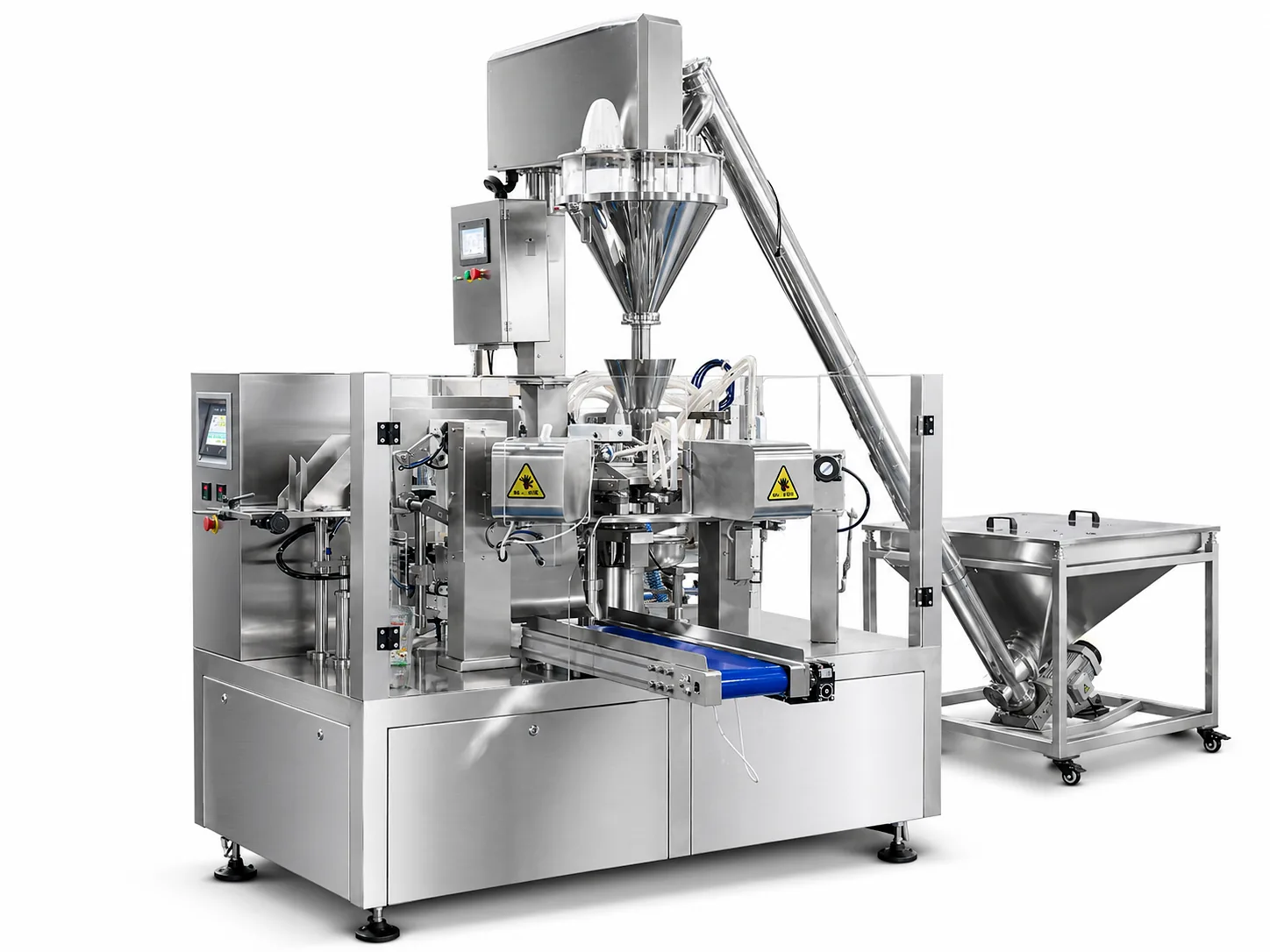
Premade pouch
Rotary host
For a pouch that is already made, review the rotary host and the weigher together so the discharge cycle matches pouch handling.

Line component · weight dosing
Combination weighing for granules and pieces on rotary and VFFS pouch lines.
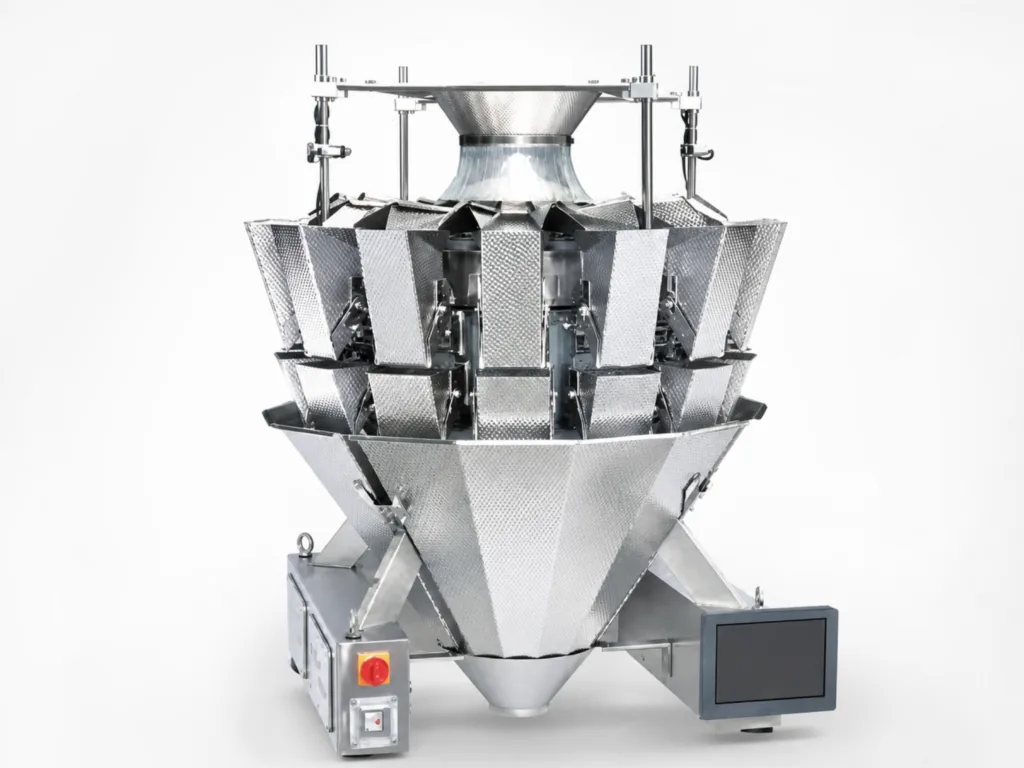
A multihead weigher combines weighed portions of granules or pieces before discharging into a pouch. Product size, fragility, stickiness and acceptable giveaway guide the hopper, surface and discharge configuration.
Compare the typical 10-head and 14-head station classes below. Product size, target weight, fragility and the pouch-machine cycle guide the final configuration; station screening values do not establish the output of a complete line.
01
The station
It is a dosing station on a pouch line. Combination buckets combine to a target weight. The bag is formed or presented on a host.
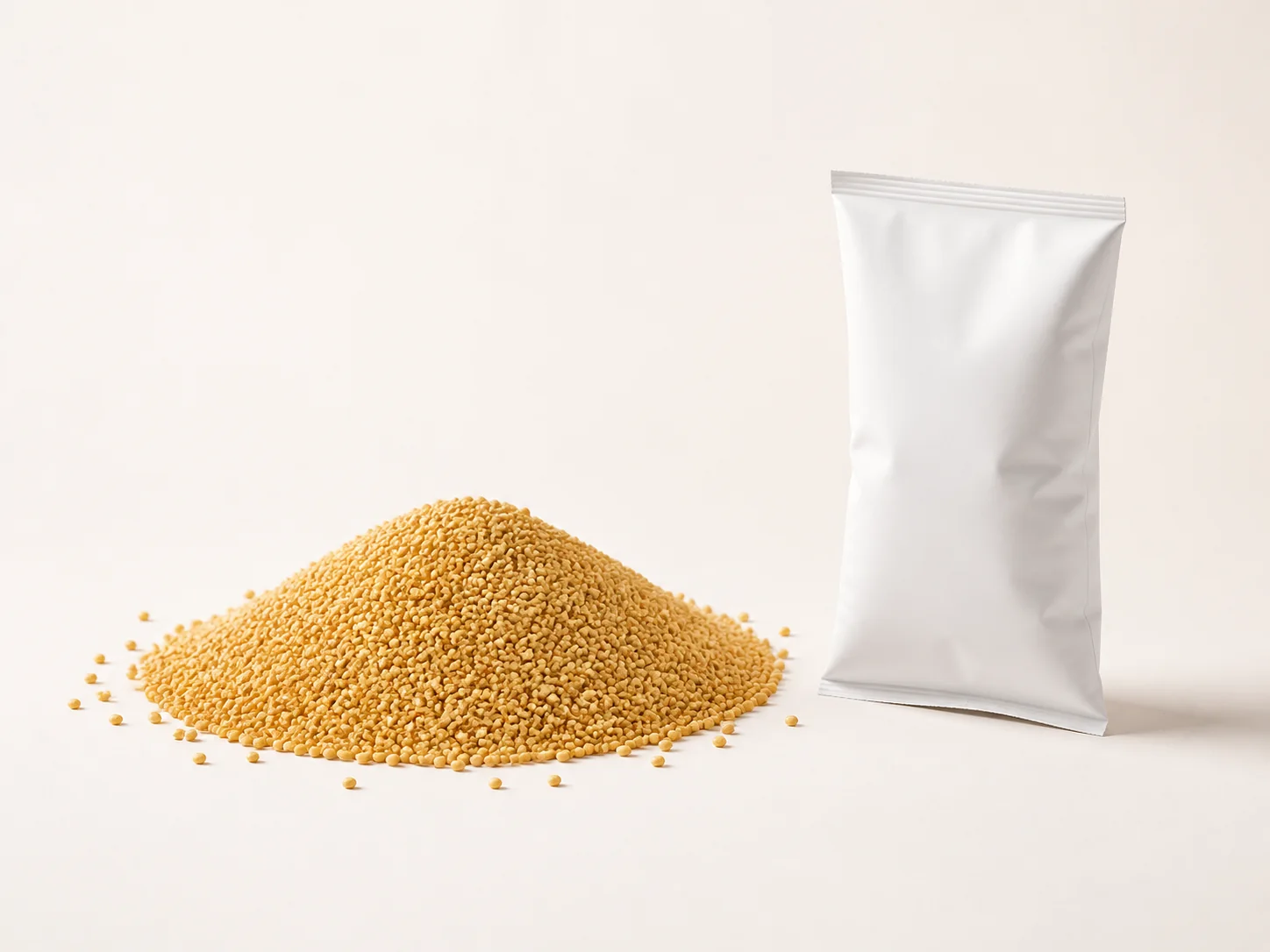
Weight is not volume. A weigher measures mass; cups measure volume. The station-class table supports early sizing, while fill-weight results and line output need checking with the actual product and pouch machine.
02
Choose the dosing route
Compare combination weighing with cups, auger dosing and piston or pump filling. For granules and pieces, the product and target weight also help decide between a multihead and a linear weighing route.
| Decision | Multihead weigher | Cups | Auger | Piston / pump |
|---|---|---|---|---|
| What it measures | Weight | Volume in a cup | Powder moved by a screw | A chamber of liquid or paste |
| Product state | Mixed, fragile, or giveaway-critical granules and pieces | Free-flowing granules | Cohesive or non-free-flowing powder | Liquids and pastes |
| Pouch machine | Rotary or VFFS; larger snack bags may use the high-speed host | Usually VFFS | VFFS or rotary, on the powder route | Rotary or VFFS |
| Open | Multihead weigher | Volumetric cup filler | Auger filling machine | Piston filling machine |
Do not assume a snack weigher doses powder. Free-flowing granules may suit cups; mixed or fragile pieces usually need weighing. Accuracy and giveaway are confirmed from samples, not from a product name.
03
Project options
Use the supplier-published station classes below for early comparison. Then review head count, hopper volume, door type and contact surface against the product, target weight, discharge timing and pouch machine.
Typical supplier-published station-class values for initial screening. The selected Spack configuration and any agreed line output are defined in the project quotation after reviewing the product, target weight and pouch machine.
| Station class | Heads | Typical hopper | Typical weigh range | Typical max speed | Typical packed size (L × W × H) | Typical packed mass |
|---|---|---|---|---|---|---|
| 10-head standard | 10 | 1.6 L | 10–3000 g | ~65 packs/min | 1365 × 1100 × 1270 mm 53.7 × 43.3 × 50.0 in | ~450 kg ~992 lb |
| 14-head standard / large dump | 14 | 1.6–2.5 L | 10–3000 g (large hopper often from ~25 g) | ~120 packs/min | 1665 × 1300 × 1270 mm 65.6 × 51.2 × 50.0 in | ~500 kg ~1,102 lb |
| 10-head compact | 10 | 0.5 L | 2–500 g | ~65 packs/min | 803 × 792 × 899 mm 31.6 × 31.2 × 35.4 in | ~350 kg ~772 lb |
| 14-head compact | 14 | 0.5 L | 2–500 g | ~120 packs/min | 900 × 897 × 990 mm 35.4 × 35.3 × 39.0 in | ~420 kg ~926 lb |
How to read 10-head vs 14-head. More heads give more combinations, so a 14-head class is the usual screen when the host is faster or giveaway is tight. Hopper litres follow piece size, not the head count. A frozen dumpling and a candy seed do not share a hopper just because both can use 14 heads.
Contact surface and door type affect how the product leaves the hopper. Review these options with the actual product and drop into the pouch machine.
| Option | What it changes | Typical product state |
|---|---|---|
| Smooth hopper, single door | Default dump for pieces that run | Nuts, kibble, candy, rice, seeds |
| Larger hopper, double-door dump | Wider opening, less bridging, gentler drop | Potato chips, large pieces, frozen dumplings |
| Dimple or coated contact parts | Less sticking on the metal | Preserved fruit, sugar-coated pieces, wet salad |
| Timing / collection hopper | Buffers the drop into the pouch | When drop height or host timing needs a beat |
Line checks, not a bill of materials. Timing hopper, infeed elevator, coated contact parts and dual-outlet dump (two hosts) are specified with the line. The quotation should identify which of these options are included.
04
The host
The host forms or presents the pouch, then seals it. The weigher only weighs. Larger snack and nut bags often use the high-speed VFFS host — that host is not this component.
Premade pouch
For a pouch that is already made, review the rotary host and the weigher together so the discharge cycle matches pouch handling.
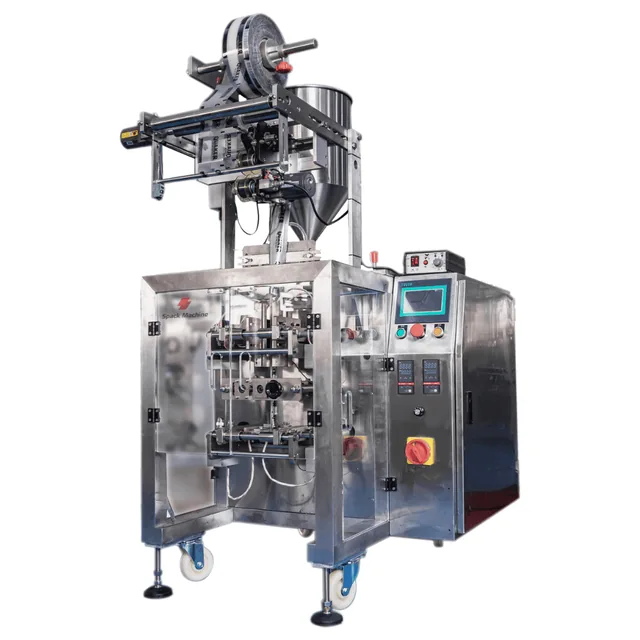
Roll film
Published filling systems on that page include a multihead weigher. Width screen: 100 / 150 / 200 mm 3.94 / 5.91 / 7.87 in on VFFS-220 / 320 / 420 — host figures, not weigher models.
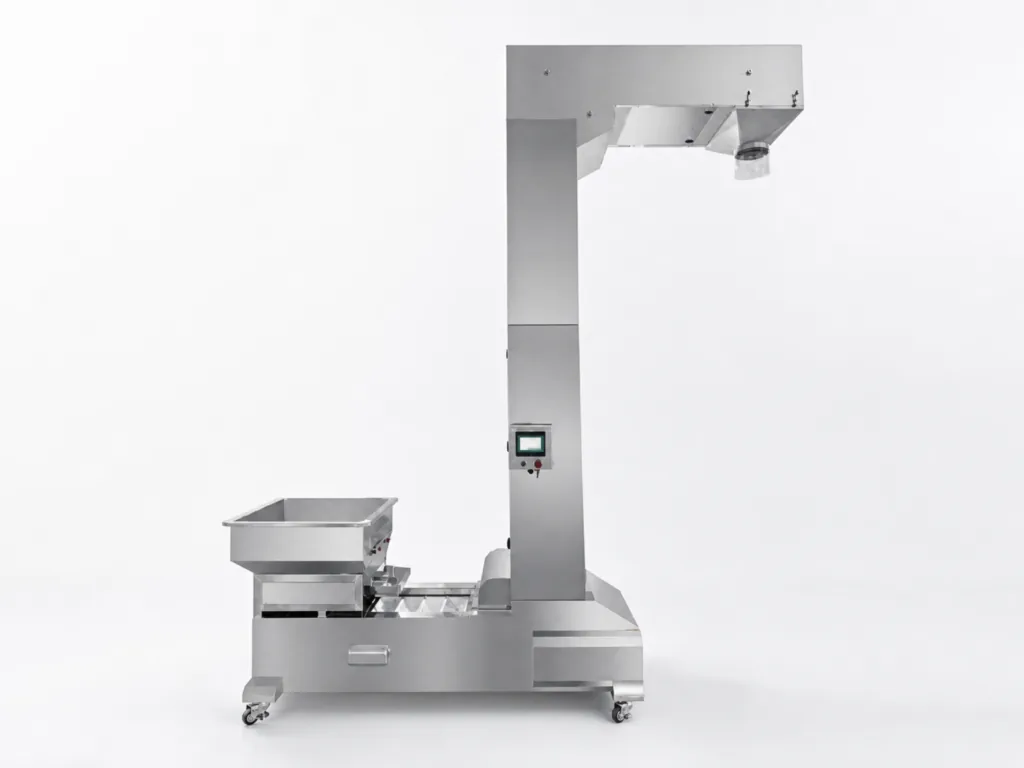
Larger snack bags
For larger snack and nut bags, compare the high-speed VFFS host. Review the elevator, weigher and pouch machine as a complete feed-and-pack arrangement.
Ob3XlN-6ynE). The rotary page labels it Multihead Weighing Configuration. It is a published host/weigher cycle — not a head count, not FAT, and not a bags-per-minute claim.05
Product state
These product examples are starting points for selection. Piece size, flow, fragility and target weight determine the dosing route; use a representative sample to check the proposed configuration.
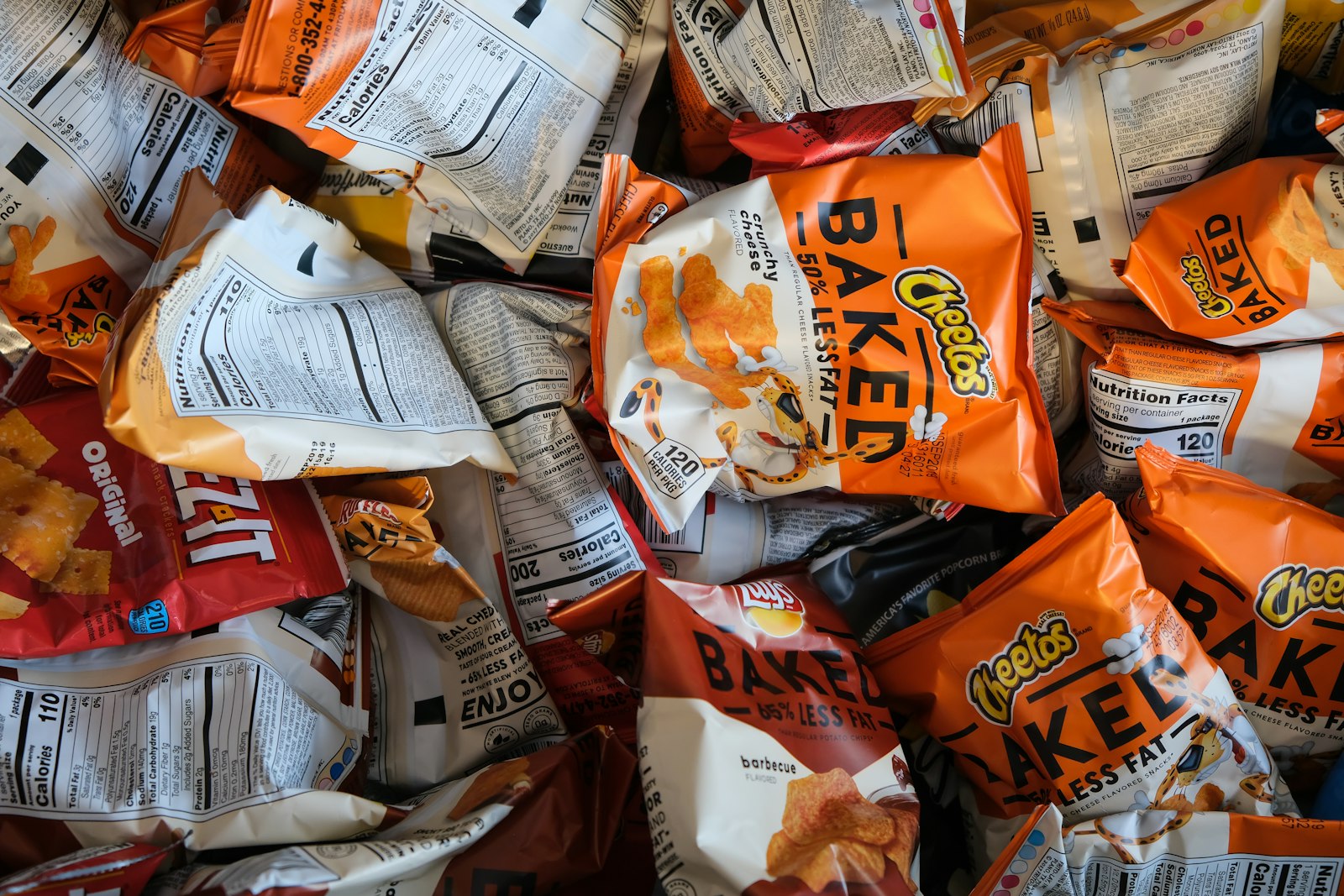
Start with a larger hopper and a gentler dump so pieces do not stack or break. Oil and drop height are project checks. Snack line: snack packaging machine. Line: granule and solid packaging. Larger snack bags: high-speed VFFS host.
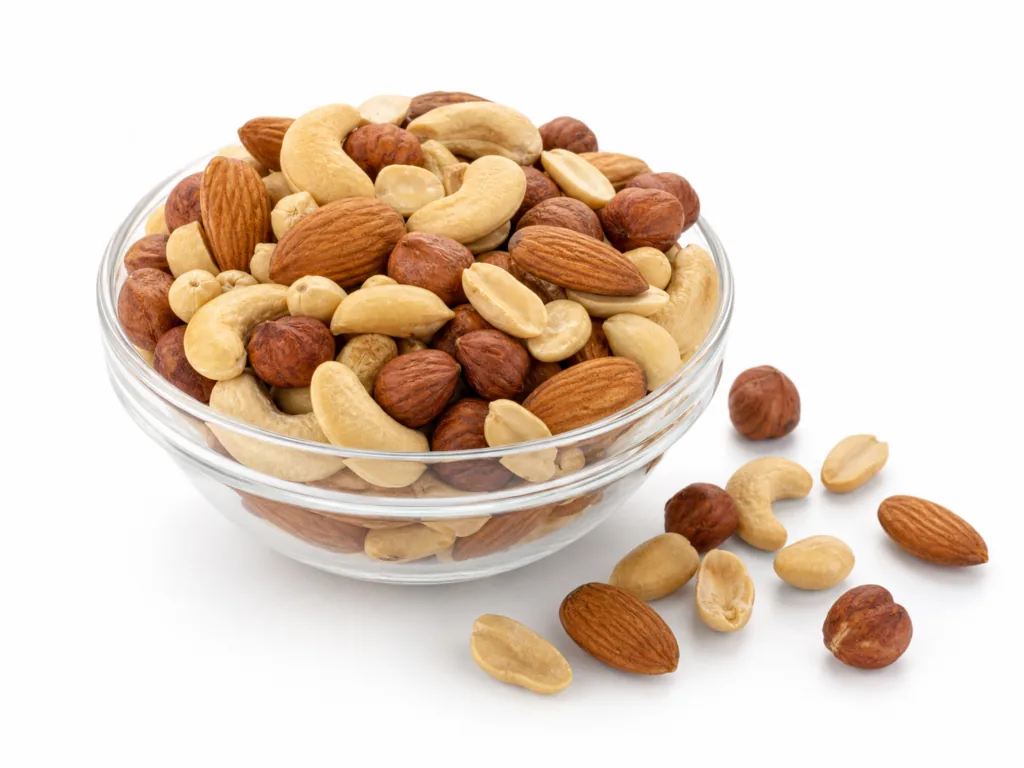
Standard combination weigh. Piece size and mix decide 10-head vs 14-head more than the product name. Line: granule and solid packaging. Premade pouches: rotary host.
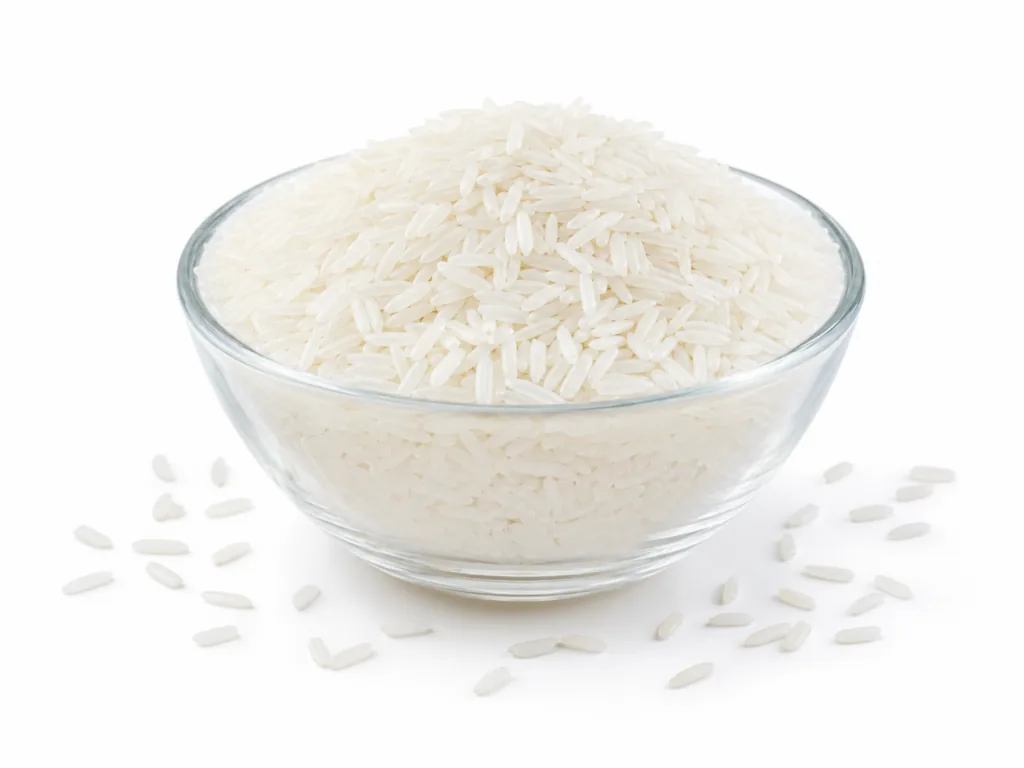
When the target weight is small, start on compact hoppers so one piece does not blow the dose. Line: granule and solid packaging. Roll film: VFFS host.
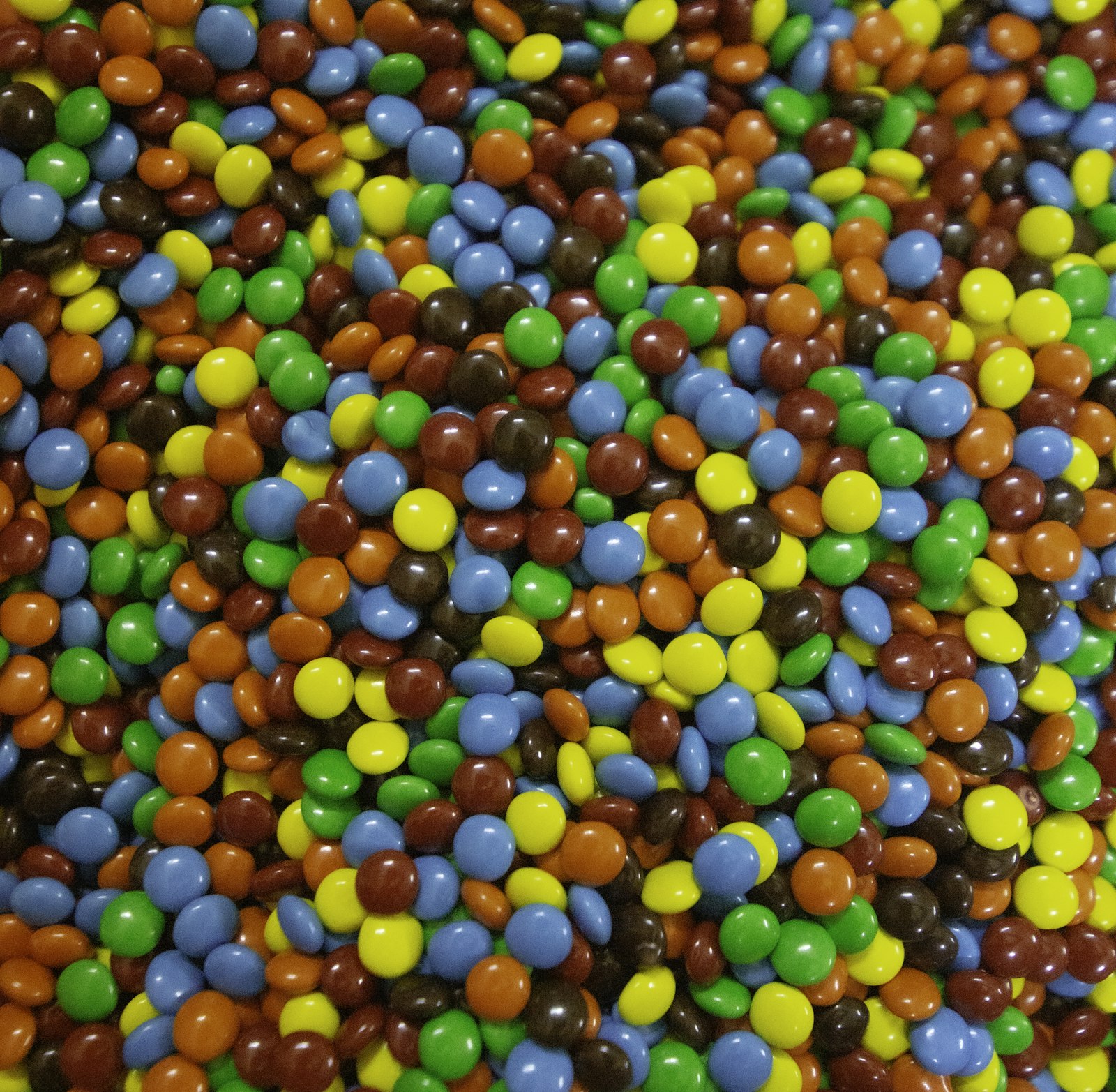
Small targets usually need compact hoppers. Sugar coating can stick — then dimple or coated parts on this same station. Line: granule and solid packaging.
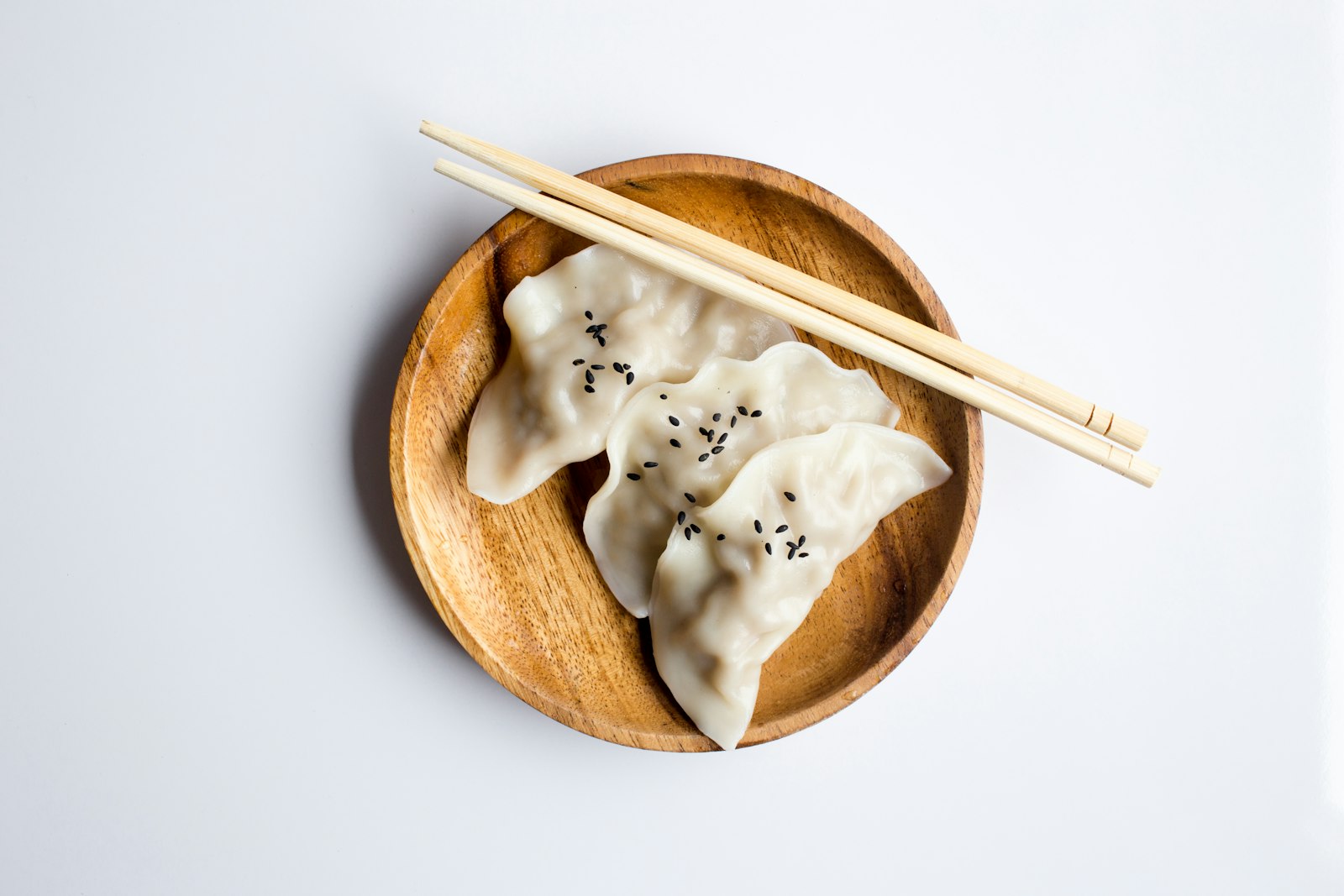
Start with a larger hopper and a double-door dump. Bridging and ice on the metal are sample checks. Food pouch routes: food and beverage packaging.
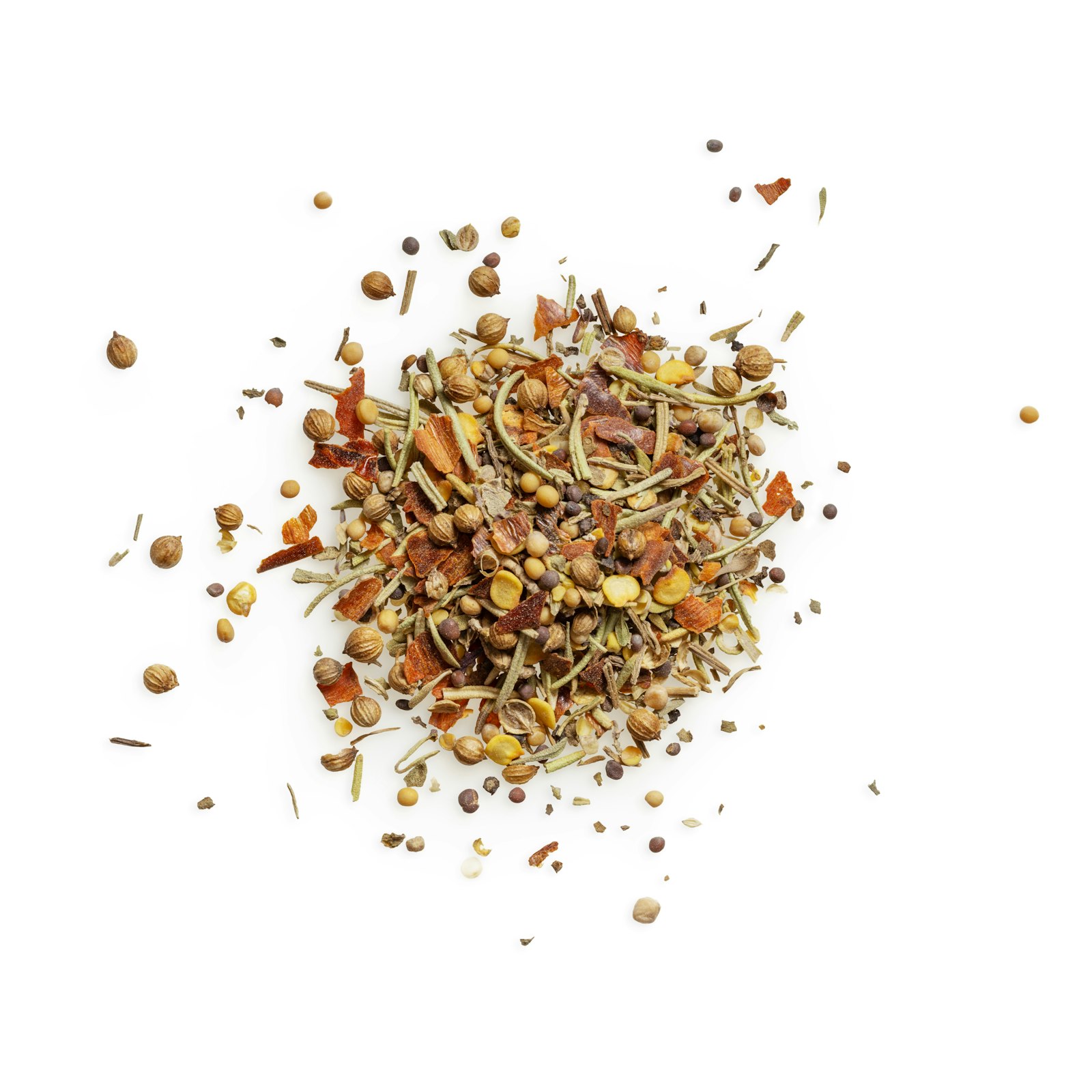
Sticking is a contact-surface problem, not a different machine family. Dimple or coated hoppers on this station. Food pouch routes: food and beverage packaging.

Usually a standard combination weigh. Oil, dust and bag size still decide the host. Line: granule and solid packaging. Larger bags often use the high-speed VFFS host.

Combination weigh can dose pieces by mass. Counting pieces is a different question, confirmed per project. Line: hardware and electronic packaging.
06
Project inputs
A product photo, target weight, pouch size and required output are enough to begin. Use the typical station-class table for early comparison; the details below help review the hopper, surface, discharge and host together.
For the detailed review. Agree the product sample, target weight, acceptable giveaway, breakage check, drop height and host cycle. Compare the proposed configuration under those conditions before agreeing line-performance requirements.
07
Common questions
Practical answers about station classes, product handling and the information needed to compare a pouch-line configuration.
A multihead weigher is a dosing station that weighs granules or pieces and drops that dose into a pouch.
It is also called a combination weigher. It can feed a rotary premade-pouch machine or a VFFS that forms the pouch from film. Compare the dosing methods in the VFFS filling-methods guide.
No. The weigher doses product; a vertical form-fill-seal or rotary host forms or presents the bag and seals it.
Select the weigher and the pouch machine together so weighing, discharge, bag handling and sealing are coordinated.
A weigher when pieces are mixed, fragile, or giveaway-critical; cups for free-flowing granules by volume; an auger for cohesive or non-free-flowing powder.
Use the comparison table for initial selection. A linear weigher is another weighing route to review with the product and host.
For Spack pouch-line screening, cohesive or non-free-flowing powders usually start with an auger review; free-flowing powders first consider an electronic-scale route.
Open powder packaging.
Accuracy and giveaway depend on the product, target weight and selected configuration. The table shows typical station classes, not sample-verified performance for your product.
Compare weight results under agreed sample and run conditions; record those conditions alongside any quoted performance requirement.
Use the typical maximum rates in the station-class table for early comparison. Complete-line output also depends on product flow, target weight, discharge timing, pouch handling and sealing.
Compare quoted line output for the same product, target weight and pouch, rather than treating a station maximum as the line rate.
The table compares typical 10-head and 14-head classes as starting points.
More heads provide more weighing combinations. Piece size, target weight, acceptable giveaway and the pouch-machine cycle still decide the selection; confirm the hopper and discharge arrangement with the product.
Price depends on the selected weigher, pouch machine, infeed and agreed line options.
Share the product, target weight, pouch and output so the quotation has a clear configuration and scope.
A product photo, target weight, pouch size and required output are enough for an initial review. Include the existing host if one is already chosen.
A sample or short video helps with fragile, sticky, oily or mixed pieces; detailed drawings can follow. Send the information you have via Contact.
A multihead combines several buckets to a target weight; a linear weigher doses on a few lanes in a line.
Mixed or giveaway-sensitive pieces often start with combination weighing. Compare a linear route for free-flowing products where it meets the target weight and output; check fragile pieces through the actual feed and drop.
Hopper volume and door type follow piece size and how the product dumps — not a brochure model.
Large, frozen or bridging pieces often need a larger hopper and a wider dump. Small target weights need smaller hoppers. Confirmed from samples.
Sticky product is a contact-surface and dump problem, not a different machine family.
Dimple plates, coated contact parts and dump geometry are options on this station. Preserved fruit and sugar-coated pieces still need a sample.
A timing or collection hopper is an option when the drop into the pouch must be buffered.
Review it with the host cycle and drop height; the quotation should state whether it is included.
Start with a larger hopper and a gentler dump so pieces do not stack or break.
Oil and drop height are sample checks. The pouch line is on granule and solid packaging; larger snack bags on the high-speed VFFS host.
Frozen or bulky pieces usually need a larger hopper and a double-door dump. Sticky fruit is a contact-surface problem — dimple or coated parts on this same station.
Food pouch routes: food and beverage packaging. Still a sample. Ice, sugar and salad dressing are not assumed from a product name.
Kibble and treats usually start on a combination weigh. Oil, dust and bag size still decide the host.
Open granule and solid packaging. Do not treat pet food as powder on an auger by default.
08
Handoff
Compare a complete granule pouch line, a pouch-machine host or another dosing method using the routes below.
Sibling dosing
Free-flowing granules by volume. Not this weigher.
Powder
Auger versus electronic scale. Not a weigher default.
Reading
Compare combination weighing with other filling methods and see how dosing fits into the pouch-making cycle.
09
Next step
Send a product photo, target weight, pouch size and the output you need. Include an existing host or sample details if available; further measurements can follow.
Project confirmation. The final quotation identifies the agreed host, weigher configuration and performance conditions. Warranty is 12 months from machine receipt; see the terms on Services.