Planning your first sachet line or an expansion? Use this guide to define the output, operating costs and flexibility you need, then compare machine routes.
Introduction
The right small sachet packaging machine is the one that can make your required number of acceptable packs, with your product and film, within the time and space available. Start with that requirement before comparing purchase prices or headline speeds.

For a first machine, the main decision is how much of the filling and packing work to automate. For an expansion, it is which part of the existing process limits output. This guide explains how to compare both decisions using bag requirements, operator time, changeovers and costs you can verify.
Understanding Small Sachet Packaging Machines
“Small” can describe the sachet, the machine footprint, the production batch or the investment budget. These are separate requirements. A small dose does not establish the machine’s dimensions, and a compact machine is not necessarily a single-lane or partly manual system.
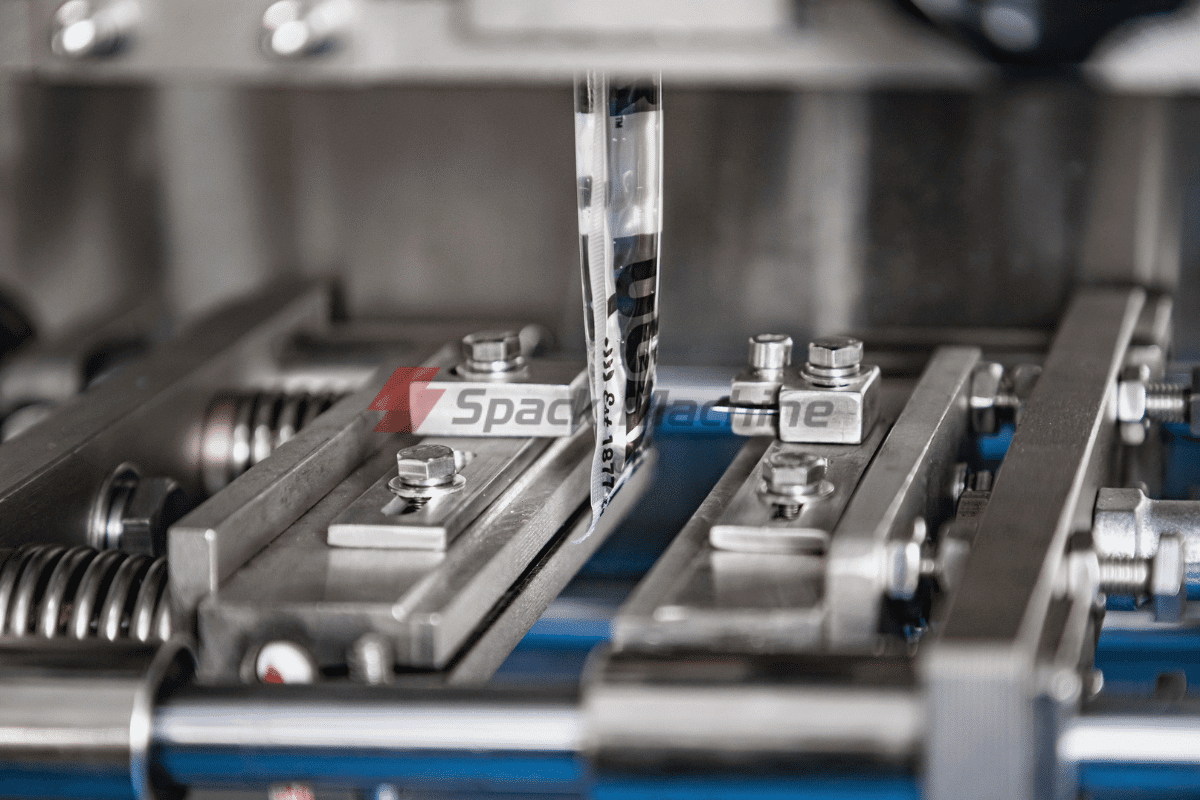
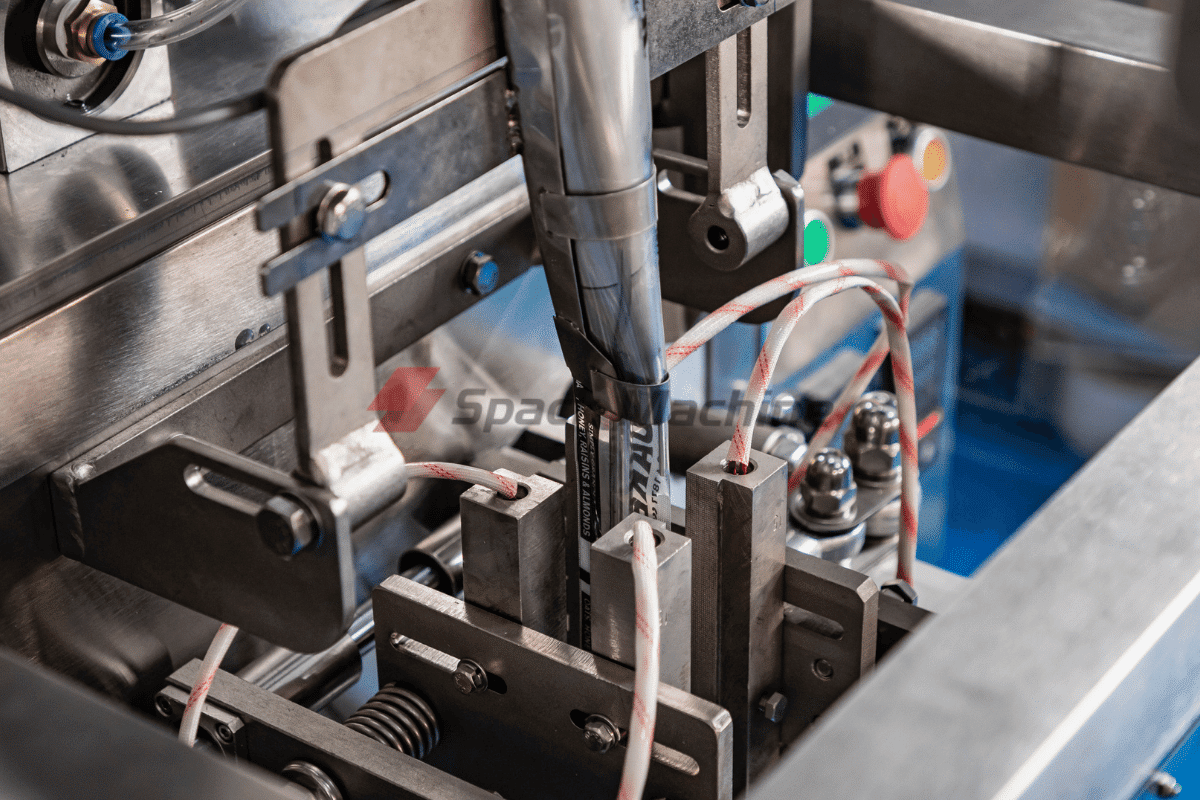
A roll-film sachet machine forms, fills, seals and cuts packs. The forming and sealing arrangement depends on the finished bag. If you purchase ready-made pouches, compare a premade pouch filling and sealing machine instead.
Separate automation from lane count
First list the work to be done: feeding product, dosing, forming the bag, sealing, collecting packs, checking them and packing cartons. Then ask which tasks each quotation automates and which still need an operator.
| Route to compare | What to establish | What to measure |
|---|---|---|
| Separate filling and sealing steps | How the operator transfers the product and pack between operations. | Accepted packs per shift, hands-on time and the consistency of each operation. |
| Single-lane automatic line | One pack position across the web; confirm the filler, bag tooling and downstream tasks. | Sustained output with your product, plus setup, replenishment and changeover time. |
| Multi-lane automatic line | Several packs made side by side; confirm the proposed lane count and its effect on film, dosing and collection. | Output and fill consistency across active lanes, including rejects and stops. |
These are comparison routes, not a list of confirmed Spack Machine configurations. For a Spack project, the proposed machine and lane count need to be identified against the actual product, dose and finished sachet.

Critical Factors When Selecting Your Machine
Define the finished sachet and film together
Send a bag drawing or sample showing finished width and length, seal edges, usable filling area and the opening feature. A flat three-side or four-side sachet and a narrow stick pack need different forming arrangements. Shaped outlines and connected strips add tooling and cutting questions.
Include the film specification, roll width, core, roll diameter, unwind direction and print registration requirements. Finished bag width and film roll width are different inputs. Film suitability needs review with the product and sealing process; a material label alone does not confirm that it will run on a particular configuration.
Choose the filling route around the product
- Powders: Spack’s initial selection approach is to review an auger for cohesive powders and an electronic-scale route for free-flowing powders. Check the choice with a representative sample, including flow, bulk-density changes and dust near the seal. See the powder packaging selection page.
- Granules: compare volume-based and weight-based dosing against product flow, bulk-density stability, particle size and fragility. State whether your target is by weight, volume or piece count.
- Liquids and pastes: specify viscosity, temperature, particles, foaming and dripping so that a suitable pump or piston arrangement can be assessed. Include the cleaning method you require.
A bag format does not make one filler suitable for every product. Ask for the proposed filling system to be named in the quotation.
Build the production brief around the full product mix
List each product, dose, bag size and batch quantity. Mark how often you expect to change product or format. Include the cleaning time between products, the packaging tasks after the machine and the hours available for production.
Compare good sachets per shift. Count packs that meet the agreed fill, seal, appearance and coding requirements. A speed shown during a short run needs context: product, dose, film, bag dimensions, active lanes, run duration and whether rejected packs were deducted. An empty-machine cycle rate is a different measure from accepted filled packs.
Cost Analysis and ROI Planning
A useful machine price comes with a defined scope. Ask each supplier to quote the same product and bag requirements, and separate the base machine from the filling system, format parts and auxiliary equipment. Compare the installed project cost and the ongoing cost per acceptable sachet separately.
| Cost input | What to enter | Where to obtain it |
|---|---|---|
| Equipment and setup | Machine, filler, tooling, auxiliary equipment, freight and agreed setup costs. | Itemized quotations and site requirements. |
| Packaging materials | Film used for saleable packs, setup film, rejects and unusable remnants. | Film quotations and measured consumption. |
| Product losses | Product lost during setup, rejected fills and cleaning. | Your product cost and run records. |
| Labor | Paid time for loading, operating, checks, changes, cleaning and secondary packing. | Your staffing plan and local labor costs. |
| Utilities | Electricity and any required compressed air or other utilities. | Configuration requirements, site tariffs and measured use when available. |
| Maintenance | Consumables, wear parts, planned maintenance and agreed support charges. | Supplier parts lists, written terms and your maintenance plan. |
| Production schedule | Shifts, batch sizes, changeovers, downtime and accepted packs. | Your operating records and a representative trial. |
Use your own numbers in the calculation
Operating cost per 1,000 good sachets = period operating costs ÷ accepted sachets in that period × 1,000.
Use the same period and cost scope for each option. If comparing only the packaging operation, separate the product inside saleable packs from product losses. Count setup and rejected material once. Keep the initial equipment investment outside this operating-cost calculation; if you allocate it across a planning period, show that allocation separately.
Simple payback in months = additional upfront investment ÷ verified net monthly operating savings. Compare equivalent output and pack quality. If net savings are zero or negative, this savings-based calculation does not produce a payback. Extra sales may support an expansion decision, but assess that case separately using demand you can support. Simple payback also leaves financing, tax and the timing of cash flows for a fuller financial review.
Compare a lower-demand schedule as well as your expected schedule. Fixed costs spread across fewer saleable sachets can change the preferred option. Obtain any financing terms separately in writing.
Scaling Production from Small Batches

Find the bottleneck before choosing a faster machine
Record where time is being lost: filling, sealing, film changes, product changes, cleaning, inspection or carton packing. If the filler is waiting for product, or finished sachets cannot be collected quickly enough, a higher bag-making rate alone will not resolve the line constraint.
Compare three options against the same demand forecast:
- Improve the current process. Review the identified bottleneck, staffing and scheduling. Any equipment or tooling change needs a configuration review.
- Add a separate line. Assess whether dividing products or formats between lines reduces changeovers enough to justify the extra space, people and equipment.
- Review a multi-lane configuration. Check whether the batch lengths, bag dimensions and product behavior suit parallel packing, and whether feeding, inspection and secondary packing can support it.
Test changeovers as well as steady running
For a representative product or size change, record the final acceptable sachet from the first run and the first acceptable sachet from the next. Include clearing product, cleaning, changing parts, film setup and checks. Identify the tools, spare format parts and operator actions involved.
More lanes do not automatically deliver a proportional increase in accepted output. Compare the whole shift, including starts, changes, stops and pack handling. There is no single daily sachet quantity at which every business should upgrade.
Implementation and Long-Term Operation
Check the full working area
Request a layout showing the machine, filler and feeding equipment, operator positions, film loading, access for cleaning and service, and the discharge route. Allow for product and film storage and the equipment that follows the machine. Confirm the site’s electrical supply and other utility requirements against the proposed configuration.
Agree what the trial must demonstrate
Use representative product and the intended film wherever possible. Agree the conditions, run duration and acceptance method before the test. The record should cover fill results, seals, print and cut position, accepted output, rejects and observed stops. For multiple lanes, identify the lane in the sampling record. Keep photographs or video tied to the tested configuration and materials.
A different product, dose or film may need another review. Ask which trial conditions support the quoted performance and which requirements remain to be confirmed.
Put the operating support in the quotation
Clarify setup, training, manuals, recommended spares, wear parts, change parts and support arrangements. State the documents required for the destination market and have their applicability checked for the actual machine and installation. Confirm what is included, who provides it and any additional charges.
Making the Purchase Decision
Choose using a consistent project brief: product, dose, finished bag, film, product mix, good sachets required per shift and site conditions. Compare the evidence behind output, operating costs and format changes. This gives you a basis for selecting a first machine and for deciding what an expansion needs to improve.
Use the Spack Machine sachet packaging page to compare bag and machine routes. To request a configuration review, send your bag drawing or sample, product details, target dose and production brief.
Frequently Asked Questions
Does a small sachet machine always have one lane?
No. “Small” may refer to the pack, available space, batch size or budget. Lane count is a separate configuration choice. Identify both the automation level and the proposed number of lanes before comparing quotations.
How much does a small sachet packaging machine cost?
Obtain an itemized quotation for the product, dose, film and finished sachet you need. Compare the machine, filler, tooling, auxiliary equipment and setup scope, then use your material, labor and production inputs to assess operating cost. A general price range cannot establish the cost of that configuration.
When should I move from a single-lane to a multi-lane machine?
Review a multi-lane option when the required output exceeds what the current process can reliably supply and your batch schedule supports parallel packing. Compare it with improving the bottleneck or adding a separate line. Use representative run and changeover results to decide.
Can one machine pack powders, granules and liquids?
These products can require different fillers, feeding arrangements and cleaning methods. Ask the supplier to identify the configuration and any change parts for each product. A common sachet size does not confirm that one machine can cover all of them.
What should I send to get a useful machine recommendation?
Send product details and a representative sample plan, target dose and tolerance, bag drawing, film specification, batch sizes, required good sachets per shift, site utilities and available working area. Flag future products separately so their requirements can be reviewed.
Related Buying Resources
- Sachet packaging machines: bag formats and configuration routes.
- Vertical form-fill-seal machines: the roll-film host and configuration checks.
- First packaging machine buying guide: organizing an overseas equipment purchase.