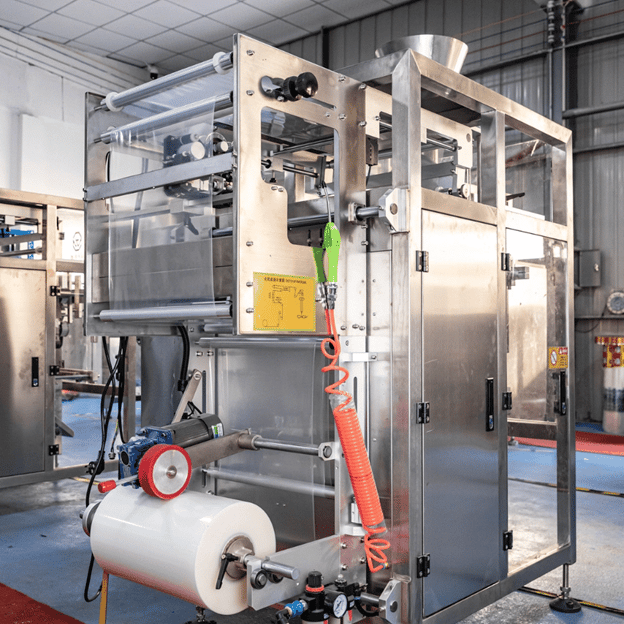
Introduction
Food waste costs manufacturers millions annually, with products spoiling before reaching consumers. For meat processors and food brands, this isn’t just a financial drain—it’s a reputation risk. Without effective preservation methods, companies face shortened shelf life, compromised product quality, and significant revenue loss.
Vacuum packaging offers a proven solution to these industry challenges. By removing oxygen—the primary catalyst for product deterioration—this technology creates an environment where bacteria simply cannot thrive. Products properly vacuum sealed last 3-5 times longer than those in conventional packaging, delivering what industry professionals call a slam-dunk ROI through reduced waste and extended market reach.
Beyond preservation, this technology transforms logistics efficiency by reducing product volume up to 70%, maximizing storage capacity and cutting transportation costs throughout the supply chain. Whether you’re processing meats, pharmaceuticals, or electronic components, understanding vacuum packaging fundamentals is essential for implementing effective preservation strategies in today’s competitive market.
Understanding Vacuum Packaging Fundamentals: A Complete Guide to Preservation Technology
Vacuum packaging stands as one of the most efficient preservation methods in modern packaging technology. As industries evolve, the demand for effective preservation solutions continues to grow across various sectors. This fundamental technology not only extends product shelf life but also maintains quality, appearance, and freshness through a remarkably simple scientific principle.
“Vacuum packaging removes oxygen from packaging environments, effectively eliminating the primary catalyst for product deterioration and bacterial growth.”
At its core, vacuum packaging involves removing air from a package before sealing it. This creates a low-oxygen environment that significantly inhibits bacterial growth and oxidation processes that lead to food spoilage. The technology has expanded beyond just food applications, finding valuable uses in industrial, medical, and consumer goods sectors.
The science behind vacuum sealing is straightforward yet powerful. When air is extracted from a package, approximately 21% oxygen is removed. This oxygen reduction creates an environment where aerobic bacteria – the primary culprits behind spoilage – cannot thrive. “What doesn’t see air, doesn’t go spare” as the old packaging industry saying goes, highlighting the fundamental principle behind this preservation method.
Understanding vacuum packaging technology requires familiarity with the key components that make these systems work effectively:
| Component | Function | Types/Variations | Importance Level | Maintenance Requirements |
|---|---|---|---|---|
| Vacuum Pump | Extracts air from packaging | Rotary vane, liquid ring, dry pumps | Critical | Regular oil changes, seal inspection |
| Sealing Bar | Hermetically seals package | Heat seal, impulse seal, ultrasonic | Critical | Cleaning, temperature calibration |
| Control System | Manages vacuum levels and timing | Digital, analog, PLC-based | High | Software updates, sensor calibration |
| Chamber/Housing | Contains product during vacuum process | Single chamber, double chamber, continuous | High | Regular cleaning, seal inspection |
| Packaging Materials | Contains product and maintains vacuum | Multi-layer films, foil, specialized plastics | Critical | Storage in appropriate conditions |
When comparing vacuum sealing to other preservation methods like modified atmosphere packaging (MAP), canning, or freeze-drying, several distinguishing factors emerge. Vacuum packaging typically requires less complex equipment than MAP, provides better visibility of products than canning, and costs significantly less than freeze-drying operations.
For businesses considering packaging solutions, understanding these vacuum packaging fundamentals proves essential for making informed decisions. The initial investment in vacuum technology often yields returns through extended product shelf life, reduced waste, and enhanced product presentation to consumers.
The applications of vacuum packaging extend far beyond the commonly known food industry uses. While it excellently preserves meats, cheeses, and prepared foods, this technology also protects sensitive electronics from moisture, preserves historical documents from environmental damage, and even finds applications in specialized medical supplies storage.
As industries continue adapting to consumer demands for longer-lasting products with minimal preservative use, vacuum packaging technology stands as a versatile, effective solution across diverse sectors. Its fundamental principle of oxygen removal delivers measurable benefits regardless of the product being preserved.

7 Proven Benefits of Vacuum Packaging for Food & Beyond
Vacuum packaging technology has revolutionized preservation methods across multiple industries. From extending product shelf life to maintaining organoleptic qualities, the advantages of this packaging method extend far beyond simple storage solutions. Understanding these benefits helps businesses make strategic decisions about their packaging investments.
Vacuum packaging reduces food waste by up to 30% compared to conventional packaging methods while simultaneously preserving nutritional content and flavor profiles.
One of the most significant benefits of vacuum packaging is the dramatic extension of shelf life. By removing oxygen from the packaging environment, the process effectively halts oxidation – the primary cause of food deterioration. This extension translates directly to reduced waste and improved return on investment for producers, distributors, and retailers alike.
The preservation of flavor, texture, and nutritional quality represents another crucial advantage. Without exposure to air, foods maintain their natural moisture content and avoid the flavor degradation common with traditional packaging. “What’s sealed tight keeps right” as packaging professionals often note, emphasizing how vacuum sealing locks in the original characteristics of products.
| Product Category | Standard Shelf Life | Vacuum Packed Shelf Life | Quality Retention | Economic Benefit |
|---|---|---|---|---|
| Fresh Meats | 3-5 days | 2-3 weeks | High flavor preservation | Reduced spoilage by 75% |
| Hard Cheeses | 2-3 weeks | 4-8 months | Prevents mold formation | Extended distribution range |
| Coffee Beans | 2-3 weeks | 3-6 months | Preserved aromatic compounds | Premium positioning potential |
| Electronic Components | Variable (moisture sensitive) | Years | Protection from oxidation | Reduced warranty claims |
| Pharmaceutical Products | Based on expiration | Extended stability | Maintained chemical integrity | Enhanced compliance with regulations |
Food safety stands as a paramount benefit, particularly in commercial food production and distribution. The oxygen-depleted environment created through vacuum packaging significantly inhibits the growth of aerobic bacteria, molds, and yeasts – the primary microorganisms responsible for food spoilage and foodborne illnesses. This protective barrier becomes especially important for highly perishable items like fish, poultry, and prepared foods.
Beyond the food industry, vacuum packaging offers remarkable benefits for non-food products. In pharmaceuticals, it protects moisture-sensitive medications and extends their effective life. For electronics, the absence of oxygen prevents corrosion on sensitive components. Even textiles benefit, with vacuum packaging protecting against moisture, dust, and pests during long-term storage or shipping.
From a marketing perspective, vacuum packaging provides businesses with significant advantages. Products maintain their visual appeal longer, creating better first impressions with consumers. The extended shelf life allows companies to expand distribution networks to more distant markets previously impractical due to spoilage concerns.
Sustainability benefits also deserve mention. By extending product life, vacuum packaging directly reduces waste throughout the supply chain. The reduced volume of vacuum-packed products also optimizes shipping efficiency, reducing transportation costs and associated carbon emissions – a growing concern for environmentally conscious consumers and businesses alike.
Companies implementing vacuum packaging solutions often report operational efficiencies as well. The streamlined packaging process can increase production throughput while reducing labor costs associated with product handling, storage rotation, and waste disposal. These operational benefits compound the direct product preservation advantages, creating comprehensive value for businesses across diverse industries.

5 Expert Tips for Choosing the Perfect Vacuum Packaging Machine
Selecting the ideal vacuum packaging machine represents a critical business decision that directly impacts operational efficiency, product quality, and long-term costs. With numerous options available in today’s market, understanding the key differences between machine types and aligning these capabilities with your specific business requirements becomes essential for making an informed investment.
The right vacuum packaging machine should balance your current production needs with future growth potential while considering product specifications, operational environment, and total cost of ownership.
When exploring vacuum packaging machines, the first distinction to understand is between chamber and non-chamber systems. Chamber vacuum sealers place the entire product inside a chamber where air is evacuated completely before sealing. These machines excel with liquid-rich products and provide consistent, high-quality seals. Non-chamber machines, alternatively, only evacuate air from the package itself, making them more suitable for lower-volume operations with dry goods.
Production volume represents another crucial factor when choosing vacuum packaging machine options. “Right-sizing is money-wise” as industry professionals often note, emphasizing how matching machine capacity to actual needs prevents costly over-investment while ensuring operational efficiency.
| Machine Type | Production Capacity | Ideal Applications | Space Requirements | Price Range |
|---|---|---|---|---|
| Tabletop Chamber | 5-10 cycles/minute | Small restaurants, specialty shops | Minimal (countertop) | $1,000-$3,500 |
| Double Chamber | 12-16 cycles/minute | Medium producers, food processors | Moderate floor space | $8,000-$15,000 |
| Automatic Belt Chamber | 20-25 cycles/minute | Large-scale operations | Significant production space | $25,000-$60,000 |
| Thermoforming Lines | 600-1200 packages/hour | Industrial manufacturers | Dedicated production line | $80,000-$300,000+ |
| External Vacuum Sealers | 3-6 cycles/minute | Home use, very small operations | Minimal storage space | $200-$1,000 |
Key technical features deserve careful evaluation when choosing vacuum packaging machine systems. Pump capacity, measured in cubic meters per hour, directly influences cycle speed. Seal bar length determines maximum package size, while programmable settings allow for product-specific vacuum levels. For businesses handling multiple product types, machines with programmable memory settings offer significant operational advantages.
Automation level represents another important consideration. Entry-level machines require manual operation for loading, setting vacuum levels, and unloading products. Semi-automatic systems may automate portions of this process, while fully automated lines integrate with existing production systems for maximum efficiency. The appropriate automation level depends on labor costs, production volume, and consistency requirements.
Budget considerations extend beyond the initial purchase price when evaluating cost-effectiveness. Operating costs including electricity consumption, maintenance requirements, and part replacement schedules all contribute to total ownership costs. Higher-quality machines typically deliver better energy efficiency and require less frequent maintenance, often justifying higher upfront costs through long-term savings.
Future-proofing represents a final consideration when selecting vacuum packaging equipment. Businesses should consider potential growth trajectories and product diversification plans. Investing in a machine with slightly higher capacity than current needs might prove more economical than replacing equipment in the near term as operations expand.
By carefully assessing these factors, businesses can confidently navigate the selection process and identify the vacuum packaging machine that optimally balances their operational requirements, quality standards, and budget constraints. This strategic approach ensures maximum return on investment while supporting both immediate needs and long-term business objectives.
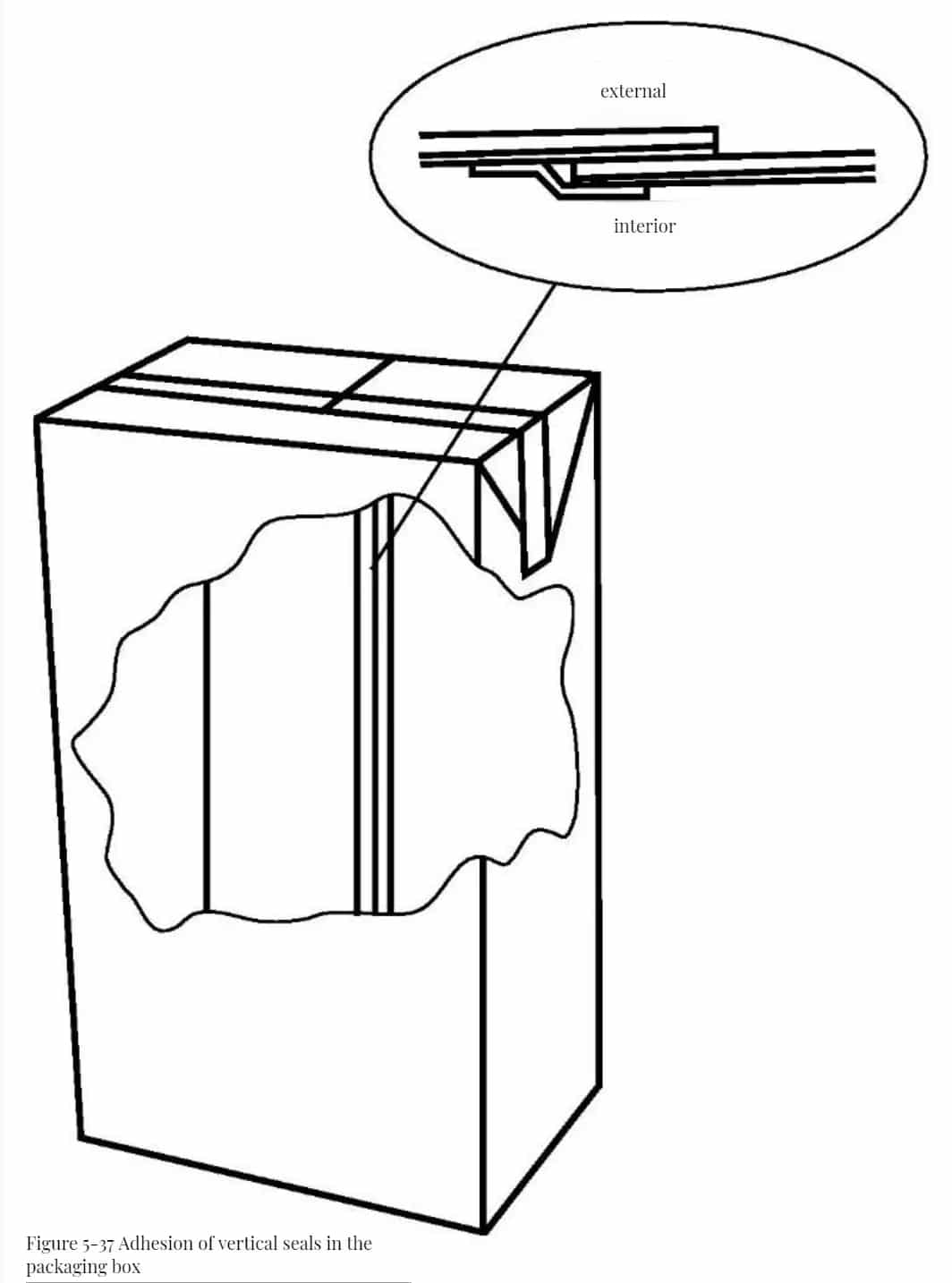
6 Breakthrough Benefits of Modified Atmosphere Packaging Technology
Modified atmosphere packaging (MAP) represents an evolution in preservation technology that builds upon traditional vacuum packaging principles while offering enhanced product protection. This advanced method actively manipulates the gaseous environment within food packages to create optimal conditions for specific products, extending shelf life while maintaining quality characteristics that vacuum packaging alone cannot achieve.
Modified atmosphere packaging can extend product shelf life by 50-400% compared to conventional packaging by replacing ambient air with precise gas mixtures tailored to specific product requirements.”
Unlike standard vacuum packaging that simply removes air, MAP replaces it with carefully calibrated gas mixtures. These typically include varying proportions of carbon dioxide, nitrogen, and oxygen designed specifically for the product being packaged. The scientific principle centers on controlling microbial growth and enzymatic reactions through precise atmospheric manipulation.
The advantages of modified atmosphere packaging over conventional vacuum sealing are substantial and measurable. “The right gas makes all the difference” is a common expression among packaging engineers, highlighting how subtle atmospheric adjustments can dramatically impact product preservation outcomes.
| Product Category | Recommended Gas Mixture | Shelf Life Improvement | Quality Benefits | Economic Impact |
|---|---|---|---|---|
| Red Meat | 70% O₂, 30% CO₂ | 200-300% | Color retention, texture preservation | Reduced waste, wider distribution |
| Poultry | 30% CO₂, 70% N₂ | 50-200% | Inhibited bacterial growth | Extended market reach |
| Fresh Produce | 5% O₂, 10% CO₂, 85% N₂ | 100-400% | Reduced respiration rate, firmness retention | Seasonal extension, reduced spoilage |
| Bakery Products | 100% N₂ | 300-400% | Mold prevention, texture maintenance | Longer distribution cycles |
| Coffee | 100% N₂ | Up to 500% | Aroma preservation, oxidation prevention | Premium positioning, quality assurance |
MAP technologies extend product shelf life through multiple mechanisms. Carbon dioxide dissolves into product moisture, creating mild carbonic acid that inhibits microbial growth. Nitrogen, being inert, displaces oxygen and prevents oxidation. Controlled oxygen levels, when needed, maintain specific product characteristics like the bright red color of fresh meat or the respiration processes in fresh produce.
The food industry has widely adopted modified atmosphere packaging across diverse product categories. Beyond the commonly known applications for meats and produce, MAP technology also preserves pasta freshness, extends cheese maturation control, and maintains crispness in snack foods. These applications demonstrate the versatility of the technology across varying product compositions and preservation requirements.
Beyond food applications, MAP finds innovative uses in pharmaceuticals, electronics, and specialty products. Medical devices packaged with protective gas mixtures maintain sterility and prevent material degradation. Sensitive electronic components benefit from moisture-free, non-reactive environments that prevent oxidation and corrosion during storage and transportation.
For businesses considering production enhancements, incorporating modified atmosphere packaging offers compelling competitive advantages. Products reach consumers in peak condition, enhancing brand reputation and reducing returns. The extended shelf life allows businesses to expand distribution networks, reduce production frequency, and optimize logistics – all contributing to improved operational efficiency and profitability.
Modern MAP systems integrate seamlessly with existing packaging lines, allowing for gradual technology adoption without complete production overhauls. This scalability makes modified atmosphere packaging accessible to operations ranging from small specialty producers to industrial-scale manufacturers seeking enhanced product protection and market differentiation.
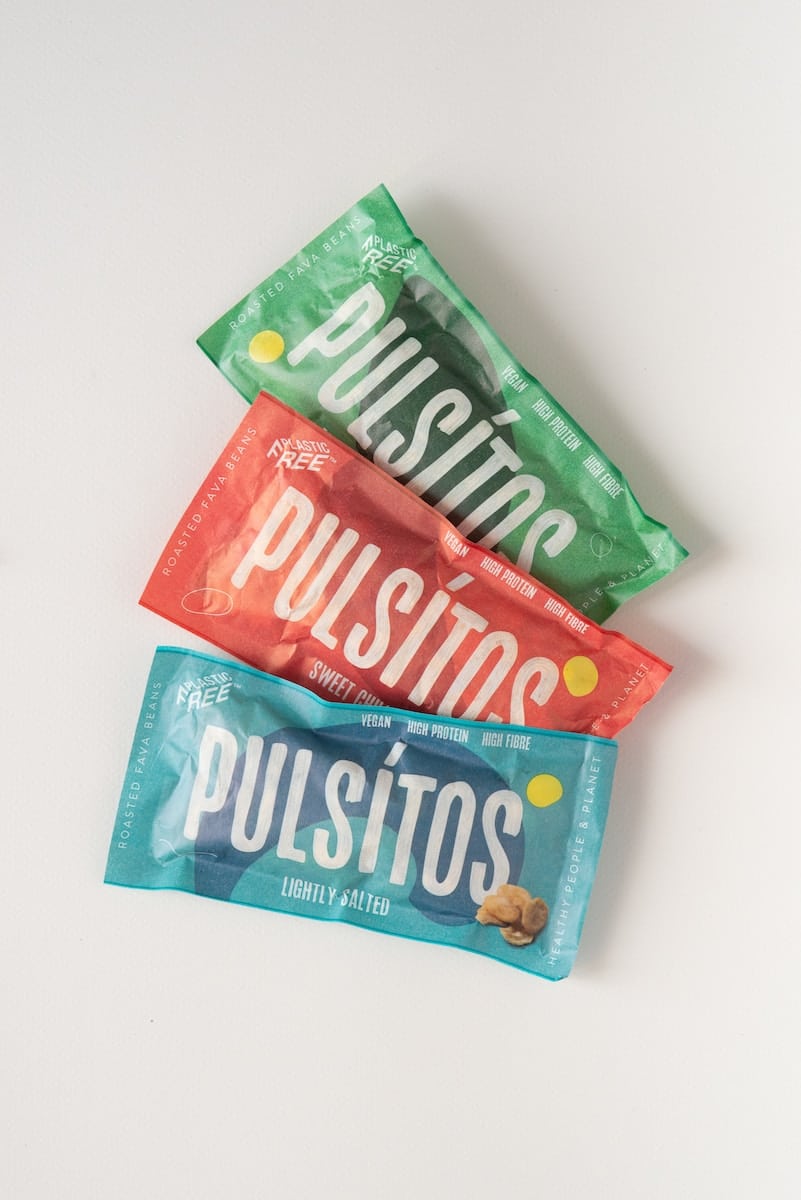
9 Essential Best Practices in Vacuum Packaging Implementation
Implementing vacuum packaging technology effectively requires more than just purchasing equipment. Successful integration demands strategic planning, proper staff training, regular maintenance, and strict adherence to safety protocols. When properly executed, these elements combine to create an efficient, reliable packaging process that maximizes both product quality and operational productivity.
Proper implementation of vacuum packaging processes can reduce packaging defects by up to 85% while increasing throughput efficiency by 20-30% compared to improperly optimized systems.
Setting up an effective vacuum packaging process begins with comprehensive facility assessment. Consider factors like production flow, available space, utility requirements, and equipment positioning. Organizing your vacuum packaging area to minimize product movement while maximizing accessibility for operators creates natural workflow efficiency that significantly impacts overall productivity.
Staff training represents perhaps the most overlooked aspect of successful implementation. “A machine is only as good as its operator” applies particularly well to vacuum packaging systems, where subtle adjustments can dramatically affect outcomes. Training should cover machine operation fundamentals and extend to product-specific settings and troubleshooting procedures.
| Common Issue | Possible Cause | Prevention Method | Solution Approach | Business Impact |
|---|---|---|---|---|
| Incomplete Vacuum | Product interference with seal area | Proper loading procedures | Staff training on package positioning | Reduced product returns |
| Weak Seals | Incorrect temperature settings | Product-specific programming | Regular seal bar calibration | Extended shelf life achievement |
| Machine Downtime | Neglected maintenance | Scheduled service protocol | Preventative maintenance program | Increased operational efficiency |
| Inconsistent Results | Operator variability | Standardized process documentation | Regular refresher training | Consistent product quality |
| Oil Contamination | Improper machine setup | Oil mist separators | Regular oil monitoring program | Compliance with food safety regulations |
Equipment maintenance represents a critical pillar of best practices in vacuum packaging implementation. Developing a regularly scheduled maintenance program prevents costly breakdowns, extends equipment life, and ensures consistent packaging results. Daily cleaning routines, weekly seal inspections, and monthly comprehensive checks form the foundation of effective preventative maintenance.
Addressing common troubleshooting issues proactively reduces downtime and product waste. The most frequent challenges include incomplete seal formation, inadequate vacuum levels, and oil contamination. Training staff to identify early warning signs of these issues and implementing clear resolution protocols minimizes their operational impact.
Regulatory compliance varies significantly across industries and regions. Food packaging operations must adhere to FDA, USDA, or equivalent regional standards regarding materials, processes, and documentation. Industrial applications may face different requirements related to worker safety, environmental impact, and product protection. Developing comprehensive compliance documentation specific to your operation provides protection against regulatory challenges.
Safety best practices extend beyond regulatory requirements to protect both workers and products. Implementing clear lockout procedures during maintenance, ensuring proper ventilation in packaging areas, and providing appropriate personal protective equipment all contribute to a safer operation. Regular safety audits help identify potential hazards before incidents occur.
The vacuum packaging process should continuously evolve through data-driven optimization. Tracking key performance indicators like cycle times, defect rates, and maintenance frequency provides valuable insights for improvement. This continuous refinement approach ensures your operation maintains peak efficiency while adapting to changing product requirements and technological advancements.

Conclusion
After a decade in the packaging industry, I’ve seen firsthand how vacuum packaging transforms businesses. It’s not just about extending shelf life—it’s about protecting your product quality, enhancing consumer trust, and significantly reducing waste throughout your supply chain.
What makes vacuum technology particularly valuable is its versatility. Whether you’re packaging sensitive electronics, preserving pharmaceutical integrity, or maximizing food freshness, the fundamental principle remains the same: create an oxygen-free environment and you’ve eliminated the primary catalyst for deterioration.
As you evaluate packaging solutions for your operation, remember that the right system should align with both current needs and future growth. Finding this balance is what I call a **”game-changer”** for operational efficiency. The initial investment in quality vacuum technology consistently delivers returns through extended product viability, enhanced presentation, and streamlined logistics.
FAQ
Q1: What is vacuum packaging?
A1: Vacuum packaging is a method of packaging that removes air from the package before sealing, which helps extend the shelf life of food and prevents spoilage by inhibiting the growth of bacteria and fungi.
Q2: How does vacuum packaging extend shelf life?
A2: By removing air and thus oxygen from the packaging, vacuum packing significantly slows down the degradation processes of food, such as oxidation and microbial growth, allowing it to stay fresh for longer.
Q3: What materials are used in vacuum packaging?
A3: Vacuum packaging typically uses plastic films that are strong and flexible, allowing them to be tightly sealed around the product. Some vacuum pouches may also be multi-layered for better barrier properties.
Q4: What types of foods can be vacuum packed?
A4: Vacuum packing is commonly used for fresh produce, meats, dry foods like nuts and cereals, and prepared meals. It is also effective for storing non-food items such as clothing.
Q5: Can vacuum packaging be used in commercial settings?
A5: Yes, vacuum packaging is extensively used in commercial kitchens, food processing plants, and retail environments to preserve food quality and extend freshness before distribution.
Q6: What are the benefits of vacuum sealing for food storage?
A6: Vacuum sealing reduces food spoilage, extends shelf life, saves space in storage, and can also reduce food waste by preserving unused portions effectively.
Q7: How does a vacuum sealing machine work?
A7: A vacuum sealing machine removes air from the bag containing the food and then seals it tightly, using heat to create an airtight barrier that keeps out air and moisture.
Q8: Is vacuum packaging safe for food?
A8: Yes, vacuum packaging is safe for food and is widely used in the food industry. However, it is essential to handle vacuum-sealed items properly to prevent contamination.
External Links
- Understanding Vacuum Packing and Its Applications – U.S. Packaging & Wrapping
- Vacuum Packing – Wikipedia
- Vacuum Packaging – ScienceDirect
- The Benefits of Vacuum Packaging – CCR Magazine
- How Vacuum Packaging Machines Work – Packing Machines Blog
- Commercial Vacuum Packaging Solutions – MULTIVAC
- Vacuum Packaging for Freshness – Busch
- Vacuum Packaging Technology – Packaging Gateway