Introduction
Choosing the wrong pouch sealing method can be costly in wasted material, damaged product and lost efficiency. Whether you pack pharmaceuticals or snacks, the difference between a 3-side seal pouch and a 4-side seal pouch affects everything from production speed to shelf life.
At Spack Machine, we see how this decision plays out in real operations. This comparison breaks down the key differences in protection, cost and application, so you can choose without trial-and-error losses.
Understanding 3-Side and 4-Side Seal Pouches: Core Differences
Knowing the differences between the two pouch types is key to choosing well. Each serves different needs, and understanding them helps you optimize your packaging process.
3-side seal pouches offer simplicity and lower cost, while 4-side seal pouches provide a stiffer pack and more protection for demanding applications.
What Is a 3-Side Seal Pouch?
A 3-side seal pouch is sealed on three edges. It can be made from a single folded web (the fold closes the fourth side) or supplied with the top open for filling and sealing afterward. It is simple and economical to make, and ideal for products that don’t need extra protection, such as snacks, powders or small hardware.
What Is a 4-Side Seal Pouch?
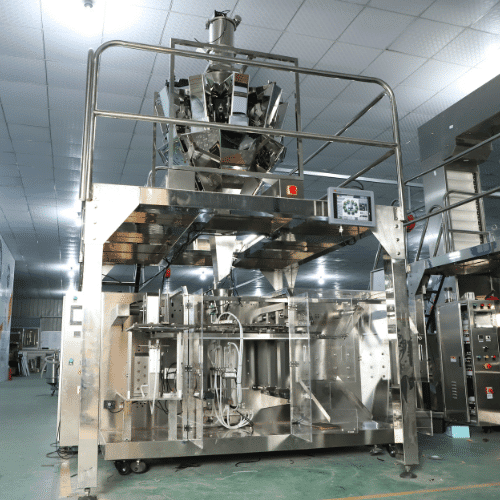
A 4-side seal pouch is made from two webs, one per face, sealed on all four edges. The result is a stiffer, more uniform-looking pack, widely used where more protection against moisture, air or tampering is wanted. It is common in pharmaceuticals, pet food and premium consumer goods. Spack Machine builds sachet packaging machines for both formats; see also the 3-side seal and 4-side seal machine pages.
Key Structural Differences Impacting Performance
The main difference is the seal structure. The 3-side seal pouch is easier to produce and fill, so it is the usual choice on high-speed lines. The 4-side seal pouch has a complete perimeter seal that is less prone to leaks, which suits sensitive or high-value products. In both cases, the real barrier against oxygen and moisture depends mainly on the film you choose.
Compliance for Both Pouch Types
Both pouch types must meet the food- or drug-contact rules of the market they are sold in (for example, FDA food-contact regulations in the US or EU rules in Europe). Machines sold into the EU must carry CE marking.
Pouch Comparison
| Feature | 3-Side Seal Pouch | 4-Side Seal Pouch |
|---|---|---|
| Seal strength | Moderate | High |
| Production speed | Fast | Moderate |
| Cost efficiency | High | Moderate |
| Protection | Basic | Advanced |
| Common applications | Snacks, hardware | Pharmaceuticals, pet food |

Production Efficiency & Cost Analysis
Efficiency and cost weigh heavily in the choice between the two formats.
3-side seal pouches run faster with less material, while 4-side seal pouches protect better at a somewhat higher production cost.
3-Side Seal Pouches: Faster Production and Lower Material Costs
Fewer sealing operations mean higher speeds. With only three edges to seal, these pouches use less material and energy, which makes them very cost-effective at high volumes. They are especially attractive when speed and economy matter more than maximum protection.
4-Side Seal Pouches: More Material, Better Protection
They need more material and sealing time, but protect the product better. The full perimeter seal, combined with a high-barrier film, guards against moisture, oxygen and contaminants. That makes them ideal for sensitive products where shelf life and product integrity are critical.
Cost-Benefit by Production Scale
For small and medium operations, the 3-side seal pouch often gives the best balance of cost and function. Large producers may find the extra protection of the 4-side seal worth its somewhat higher cost, especially for premium products. Actual savings depend on your volume, product and film, so calculate them from a sample run. See also how small sachet packaging machines save costs.
Impact on High-Speed Lines
On automated lines, 3-side seal pouches usually run faster than 4-side seal pouches on comparable equipment. Modern machines with servo drives and precise seal control narrow the gap.
Production Efficiency Comparison
| Metric | 3-Side Seal | 4-Side Seal |
|---|---|---|
| Relative speed | Higher | Lower |
| Material use | Lower | Higher |
| Energy use | Lower | Higher |
| Changeover time | Faster | Slower |
| Protection level | Basic | Premium |
Industry-Specific Applications
Each industry has packaging requirements that make one pouch type a better fit.
3-side seal pouches dominate snack packaging for their efficiency, while 4-side seals are the usual choice for pharmaceutical products that need maximum protection.
Food Industry: Why 3-Side Seals Dominate for Snacks and Powders
The 3-side seal pouch is very popular in food, especially for dry goods like snacks and powders. Its speed and lower cost suit high-volume food packaging, and it protects most food products well enough. See our guide to powder packaging.
Pharmaceuticals: The Need for 4-Side Seals
Pharmaceutical applications usually call for 4-side seal pouches because the full perimeter seal protects sensitive medications from moisture, oxygen and contamination. See different types of pharmaceutical packaging.
Personal Care: Balancing Cost and Protection
Personal care uses both types. 3-side seal pouches work well for price-sensitive items like wipes, while 4-side seals are preferred for premium creams and liquids. The choice depends on product value, required shelf life and brand positioning.
Emerging Trends
New applications in pet food and specialty chemicals are driving pouch innovation. Sustainability also increasingly shapes material choices and pouch designs in every industry.
Industry Application Comparison
| Industry | Preferred Pouch | Key Requirements |
|---|---|---|
| Food & snacks | 3-side | Speed, cost |
| Pharmaceutical | 4-side | Protection, compliance |
| Personal care | Both | Brand appeal |
| Pet food | 4-side | Durability |
| Industrial | 3-side | Cost efficiency |

Durability & Supply Chain Considerations
Durability and supply-chain resilience differ noticeably between the two pouch types.
3-side seal pouches are light and efficient; 4-side seals stand up better to demanding shipping conditions.
3-Side Seals: Lightweight but Limited Durability in Transit
They are light and economical, ideal for products with short supply chains, but can be damaged by rough handling. They work best for local distribution or products that don’t need a long shelf life.
4-Side Seals: More Strength for Rough Handling and Long-Distance Shipping
The full perimeter seal makes them the preferred choice for international shipping or long shelf life. Their structure stands up better to stacking and rough handling.
How Seal Quality Affects Shelf Life
A complete, well-made seal, together with the right film, helps extend shelf life. This matters most for perishable goods or products sensitive to their environment.
Choosing for Your Supply Chain
Consider your whole distribution network when choosing: distance, climate, stacking and time to the consumer.
Durability Comparison
| Factor | 3-Side Seal | 4-Side Seal |
|---|---|---|
| Drop resistance | Moderate | Excellent |
| Stacking strength | Basic | High |
| Moisture protection | Basic | Premium |
| Recommended distance | Local | Global |

Making the Right Choice: Decision-Making Guide
Choosing between 3-side and 4-side seal pouches means weighing several factors.
The right pouch balances cost, protection and efficiency, and those factors differ a lot between the two options.
Key Factors: Cost, Protection and Efficiency
The 3-side seal pouch offers real savings and higher speed, ideal for high-volume, low-unit-value products. Weigh that against the stronger protection of 4-side seals for sensitive or premium products.
Single-Lane vs. Multi-Lane
Both formats can be produced on single-lane or multi-lane machines. Multi-lane sachet machines are the usual choice for small doses at high volume. Our specialists can review your current line and recommend the best setup.
Future-Proofing Your Packaging Strategy
Consider future product lines and markets, not just today’s needs. A 3-side seal pouch may be enough now, but a new range may later need the protection of a 4-side seal.
How Spack Machine Can Help
Spack Machine can review your requirements and recommend the pouch and machine combination that best balances performance and cost.
Decision Matrix
| Consideration | 3-Side Seal | 4-Side Seal | Recommendation |
|---|---|---|---|
| Tight budget | Best | Good | 3-side |
| Product sensitivity | Basic | Best | 4-side for sensitive items |
| Production speed | Fastest | Fast | 3-side for high volume |
| Supply chain length | Local | Global | Match to distribution |
Conclusion
Choosing between 3-side and 4-side seal pouches isn’t just about cost or speed: it’s about giving your product the protection it needs. Whether you pack snacks or sensitive pharmaceuticals, the right seal makes the difference.
3-side seals are the logical choice for high-volume, low-risk products, while 4-side seals are hard to beat for durability and shelf life. The key is to rank your priorities: efficiency, protection and future flexibility.
In the end, the best choice keeps your product safe and your line running smoothly. If you’re still unsure, think about where your business is heading, or ask Spack Machine.
FAQ
What is the difference between a 3-side seal and a 4-side seal pouch?
A 3-side seal pouch is sealed on three edges (the fourth is a fold or the filling opening); a 4-side seal pouch is made from two webs sealed on all four edges, giving a complete, stiffer perimeter seal.
Which is cheaper?
Usually the 3-side seal pouch: it uses less material and fewer sealing operations, and it typically runs faster.
Which suits pharmaceutical products?
Usually the 4-side seal pouch, for its complete seal and better protection against moisture, oxygen and tampering, always with a suitable barrier film.