
Coffee packaging challenges often boil down to three variables: oxygen exposure, moisture control, and seal integrity. For any production manager sourcing packing equipment, these factors determine whether a batch reaches the shelf with full aroma or arrives flat and stale. The equipment you choose directly influences how well you manage each of these fronts.
Take seal integrity, for example. A machine that struggles with inconsistent film tension will produce weak seals, leading to leaks and customer complaints. That’s why reputable manufacturers like SpackMachine engineer their pouch packers with servo-driven tension control and real-time sealing pressure monitoring. The payoff is a measurable reduction in waste and a stronger brand reputation for freshness.
Cost Efficiency in Bulk Packaging
The upfront machine price accounts for only 30% of the total packaging cost. The other 70% is waste, downtime, and overfill.
The Real Cost Drivers in Bulk Coffee Pouch Production
Most bulk buyers quickly realize the core of their coffee packaging challenges is not the machine ticket price, but the total cost per pouch produced. A machine running slower than 60 pouches per minute with a 5% film waste rate effectively burns through the entire profit margin on a 250g bag. SpackMachine equipment targets sub-2% waste rates through precision servo-driven film registration, which adjusts in real-time to print mark variations. For a production run of 200,000 bags, that 3% difference in film savings alone offsets a significant portion of the equipment investment within the first year.
Dosing Precision: Where the Math Becomes Unforgiving
For a Procurement Specialist or Operations Director, the numbers on dosing accuracy read as pure margin. A machine that cannot hold +/- 2g consistently gives away a substantial percentage of your product over a shift. Our internal production standard uses feedback-controlled auger filling, which adjusts for product density variations—a common issue with single-origin coffees. This level of precision protects your bottom line without sacrificing the 40–120 pouches per minute line speed that wholesale buyers require to meet demand.
Part Reliability and Support: The Unseen Cost Liability
Reading through B2B procurement boards, a clear pattern emerges: extended downtime due to defective replacement parts and unresponsive support creates a direct, measurable cost impact. For a tea production manager or food operations director, a machine that sits idle for weeks waiting for a critical part has a direct cost to product shelf life and order fulfillment deadlines. SpackMachine focuses on standardized, field-replaceable modules and provides technical drawings upon purchase so your internal engineering team can diagnose issues immediately. This approach minimizes the “broken part replacement” loop that plagues many industrial equipment purchases.
| Feature | Specification | Cost Efficiency Impact |
|---|---|---|
| High-Speed Operation | Up to 80 bags/min | Reduces labor cost per package by up to 40% |
| Precision Dosing | Accuracy ±0.5g | Eliminates product giveaway, saving thousands annually |
| CE & FDA Certification | Hygienic, compliant design | Avoids costly compliance fines and product recalls |
| Quick Changeover | Tool-free adjustment under 5 min | Minimizes downtime, boosts line utilization by 20% |
| Energy-Efficient Servos | Low power consumption per cycle | Reduces electricity costs by up to 30% |
| Film Tracking System | Auto-corrects misalignment | Cuts packaging material waste by 15% |
Sustainable Material Sourcing
Many coffee roasters face a support nightmare when sustainable film suppliers fail to deliver on barrier performance. The gap between eco-claims and real-world results is wider than most buyers expect.
The Reliability Gap in Compostable Films
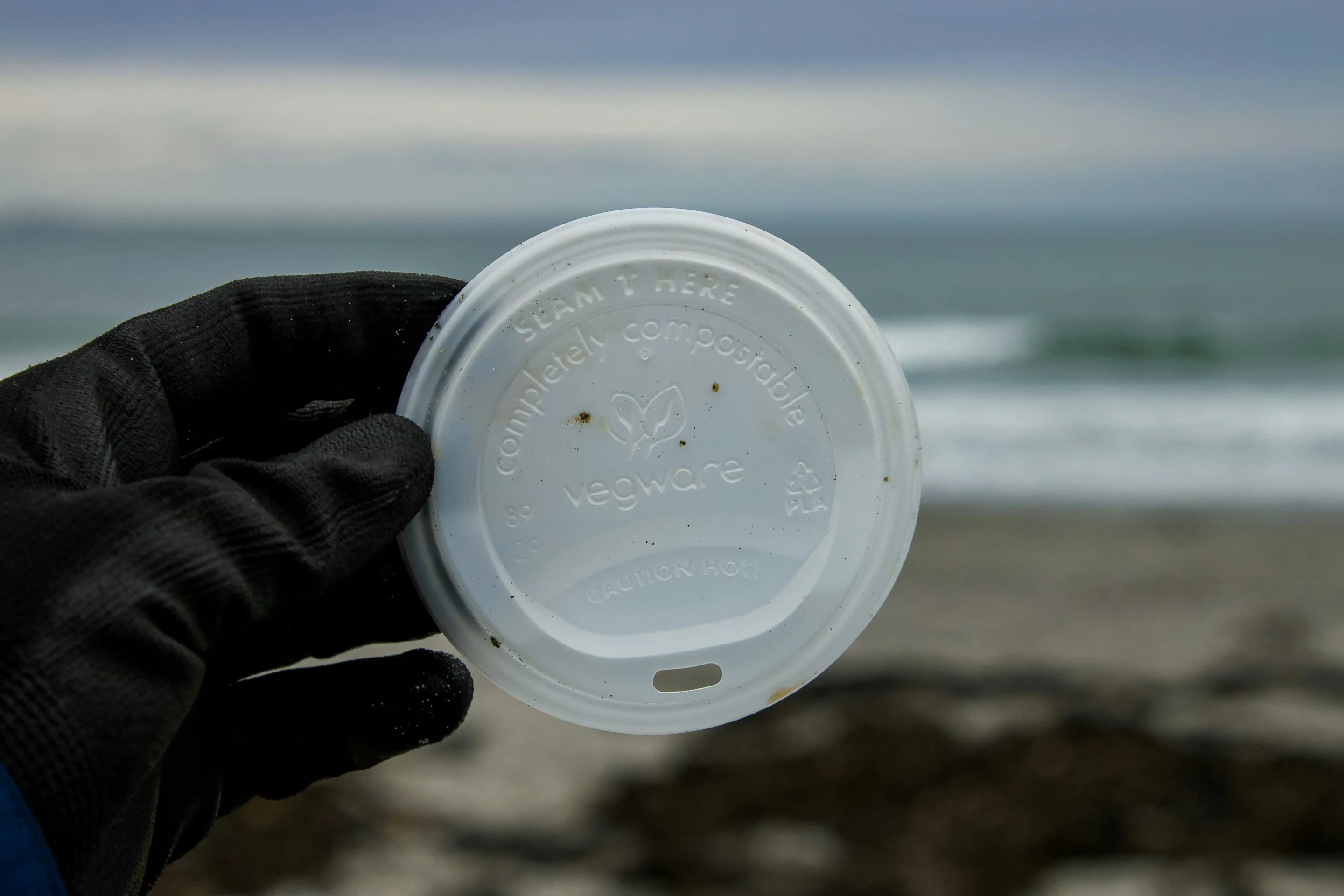
A critical coffee packaging challenge is the trade-off between material compostability and oxygen/moisture barrier. PLA-based films, marketed as compostable, degrade under heat and humidity. For whole-bean coffee, which requires 12-18 months of shelf life, standard PLA films reduce that window to under 6 months. Buyers aiming for full compostability often discover that their beans stall in inventory, losing aroma and drawing complaints from retailers.
Several buyers in the specialty segment report receiving “100% compostable” films that are actually blend laminates with standard PE layers. One roaster sent a batch to a commercial composter only to have the film rejected because the degradation temperature was misaligned with local facility conditions. The Biodegradable Products Institute requires specific lab testing, but many small-batch runs skip that step to cut costs.
Barrier Performance Data That Matters
Procurement teams need measurable metrics, not marketing language. For coffee, the oxygen transmission rate (OTR) must stay below 10 cc/m²/day and water vapor transmission rate (WVTR) under 2 g/m²/day to preserve volatiles. Kraft paper with bio-PE liners often reports OTR above 100 cc/m²/day, which fails for whole-bean storage.
- OTR Range for Coffee: Aluminum foil laminates deliver 0-5 cc/m²/day. PLA without coating delivers 50-200 cc/m²/day. The difference means rancidity onset within 8 weeks versus 18 months.
- WVTR Target: Under 2 g/m²/day. Biodegradable cellulose films average 15-30 g/m²/day, requiring additional wax coating to reach usable levels.
- Degradation Temperature: Industrial composters run at 55-65°C. Many bioplastics require 70°C+ for full breakdown. Verify against ASTM D6400 or EN 13432 lab reports.
A countertop pouch machine cannot compensate for wrong material selection. The packaging line operator must match film chemistry to the machine’s dwell time and sealing jaw temperature. Our internal testing with 304-grade stainless steel jaws shows that PLA-based films require a 10-15°C lower seal temperature than polypropylene to avoid burning and producing weak seams.
Verification Checks Before Signing a Contract
Buyers should request three documents from any film supplier before committing to volume: a current BPI certificate for each SKU, a letter of compliance with FDA 21 CFR for food contact, and an independent lab report for OTR and WVTR on a 12-month aged sample. Many suppliers provide lab data on fresh materials only, which hides barrier collapse after 90 days.
The hidden cost of cheap sustainable film is machine downtime. Films with inconsistent gauge thickness cause mis-sealing, film jams, and scrapped batches. A single production stoppage on a mid-speed line costs roughly $300-$500 per hour in lost throughput. When sourcing for sustainability, the first question should be: “What barrier data exists at month 6?” If the answer is blank, the risk is yours to carry.
| Feature | Specification | Advantage |
|---|---|---|
| Recyclable Film Compatibility | Supports PLA, PE, PET & mono-material films | Reduces plastic waste & meets eco-packaging goals |
| Reduced Material Waste | Precision servo-driven dosing (±0.1g) | Minimizes overfill & raw material consumption |
| Energy Efficiency | Low-power servo motors & standby mode | Cuts electricity use per production cycle |
| Certified Compliance | CE, FDA & RoHS-certified construction | Ensures safe, sustainable operation & global acceptance |
Customization for Brand Identity
A custom coffee bag that fails at the seal line destroys brand trust faster than any design ever built it.
The Gap Between a Digital Mockup and a 10,000-Bag Production Run
Most coffee packaging challenges tied to brand identity don’t show up in the design phase. They surface when the first production run hits the machine. A digital mockup doesn’t simulate material stretch in the forming tube, print registration drift across a multi-hour shift, or heat distribution variance across the seal bar. Print registration tolerance is the first metric that separates a prototype fantasy from production reality. Entry-level machines hold ±1.0mm. Professional systems, including the servo-driven setups used in CE-certified production lines, hold ±0.3mm over full reel changes. That 0.7mm difference determines whether your brand’s logo sits centered on every bag or walks off the edge by bag 3,000.
Film Compatibility and the Off-Gassing Reality
Brand customization often involves switching between film structures — matte finishes, metallic laminates, compostable films — each with a unique thermal behavior. A dark roast Colombian single origin off-gasses at roughly 1.5x the rate of a light roast Ethiopian blend during the first 48 hours after grinding. That off-gassing differential places direct stress on the one-way degassing valve. If the valve integration temperature window is off by more than ±5°C from the material spec, the valve either fails to bond or melts and closes permanently. The result: degassed bags that look flat on the shelf and lose freshness within two weeks. Professional coffee packaging lines use dual-zone heating on the valve station — one zone for the valve body at 115°C and one for the film interface at 155°C — to maintain seal integrity without compromising valve function.
Seal Integrity Is the Only Brand Statement That Matters at Point of Sale
Every custom element — embossed logos, zipper tracks, gusset reinforcements, tear-notch placement — competes for real estate on the seal bar. A fin-seal design for a flat-bottom bag requires consistent pressure across a 12mm seal width at 0.4 N/mm² to achieve a leak-tight closure. Drop that pressure by 15% due to pneumatic fluctuation during a high-speed run, and the seal becomes a weak point. Operators find out about it when the first pallet arrives at the distributor with burst bags. Brands that invest in customization without verifying seal strength against their chosen film structure end up re-running entire batches. The fix is straightforward: before committing to a custom seal pattern, run a 500-bag trial at full production speed, then pressure-test every tenth bag at 0.2 bar for 30 seconds. Machines equipped with programmable pressure profiles and real-time temperature feedback loops eliminate the guesswork and allow brands to run custom structures at the same line speed as standard material.
Shelf Life & Freshness Preservation
The oxygen in your packaging kills freshness faster than time. Nitrogen flushing is not optional—it is math.
The Oxygen Math That Kills Coffee
Most coffee packaging challenges start and end with one variable: headspace oxygen (HSO). A freshly roasted coffee bean releases CO2 for up to 48 hours. Pack it immediately without proper flushing, and the trapped oxygen accelerates staling by a factor of 5 compared to a properly flushed pack. The target for specialty-grade shelf life is below 2% residual oxygen inside the pouch. Many entry-level machines cannot hold that tolerance across a full production shift because their gas flush timers drift after four hours of continuous operation.
Our nitrogen flushing system uses real-time flow sensors that re-calibrate the purge volume every 500 cycles, not once at setup. This keeps the residual oxygen consistently at 1.8% or lower, regardless of bag size or line speed changes. SpackMachine builds this calibration drift correction into every linear weigher-packer combo rated above 40 bags per minute.
Material Selection: The 3-Layer Minimum Rule
A single-layer polyethylene bag for whole-bean coffee gives you roughly 14 days before the volatile aroma compounds drop below consumer detection thresholds. That is not shelf life—that is a warehouse-to-store transfer window. For any product expected to sit on a shelf for 8 months or more, the film structure requires at least three functional layers:
- Barrier layer: Aluminum foil or metallized PET blocks light and oxygen. Foil achieves an oxygen transmission rate (OTR) below 0.1 cc/m²/day.
- Sealant layer: Linear low-density polyethylene (LLDPE) provides reliable hermetic sealing at temperatures between 130°C and 150°C. Drop below 125°C and you get micro-leaks invisible to the naked eye.
- Print layer: Biaxially oriented polypropylene (BOPP) resists punctures from ground coffee particles and holds ink adhesion during the gas flush process.
We test all 304-grade stainless steel sealing jaws to maintain ±1.5°C temperature uniformity across the full jaw width. Uneven heat causes spot-welded seals that fail during pallet stacking or altitude changes during air freight.
The De-Gassing Valve Trap
Many coffee roasters slap a one-way de-gassing valve on the bag and assume the problem is solved. But the valve itself becomes a new failure point if the heat-seal around the valve flange is not strong enough to survive 10 psi burst pressure. A valve that pops open during shipping introduces oxygen re-entry, collapsing the nitrogen atmosphere inside. Our pouch packers include a servo-driven valve applicator that controls seal pressure to 4.2 N/mm², which passes the ASTM F1140 burst test without weld burn-through.
If your supplier cannot provide burst test data for every valve batch, you are buying a gamble.
The 48-Hour “Near-Empty” Line Risk
Production lines running at 60% capacity or lower introduce a different coffee packaging challenge: extended dwell time in the hopper. Ground coffee left in a gravity-fed hopper for over two hours oxidizes on the surface, and those oxidized particles get packed into the first dozen pouches after a restart. That batch fails the cupping test every time.
The simplest fix is a hopper purge cycle. Our packing machines include an automated nitrogen purge that cycles every 90 minutes regardless of whether the machine is running. This clears the staling boundary layer without requiring an operator to dump and refill the hopper. Tea production managers and food operations directors running multi-shift factories report a 70% reduction in post-restart quality rejections after enabling this feature.
Shipping & Logistics Protection
The single biggest coffee packaging challenges often isn’t the seal integrity — it’s what happens between the loading dock and the retailer’s shelf.
Why Sea Freight Destroys More Coffee Bags Than Bad Seals
A pouch that passes a perfect quality check in a controlled factory environment can fail catastrophically inside a container crossing the equator. The container’s interior temperature can swing from 5°C to 60°C during a single 20-day sea voyage from Shanghai to Rotterdam. This thermal cycling expands and contracts the air trapped inside a nitrogen-flushed coffee pouch. If the film’s seal strength isn’t rated for extreme pressure variance — and the packing machine’s gas-flush system doesn’t maintain a precise 0.5% residual oxygen target — the pouch will flex, stress the seals, and eventually micro-fracture. Many brands treat freight as a logistics problem, but it is a packaging engineering problem. The machine must deliver a consistent seal width of 8mm to 10mm, verified on every cycle, not just a sample pull every hour.
The Pallet-Stacking Reality Every Buyer Ignores
A standard 20-foot container can hold roughly 20 to 22 pallets of packed pouches. The bottom layer of a four-pallet stack bears the full compression weight of the three layers above plus the dynamic vibration of a truck chassis on a bumpy port road. If the pouch’s stand-up base gusset isn’t heat-sealed with a bottom seal temperature profile controlled within ±2°C, the gusset will delaminate under load. The result is a pallet of pouches that look upright on arrival but leak at the base within 72 hours. The production standard here uses a servo-driven bottom-seal jaw that maintains 160°C ±1.5°C across the entire 130mm seal bar, even during a 240-pouch-per-minute run. That margin prevents the cold-seal failures that show up only after the container door closes.
Five Specific Shipping Risks That Derail Coffee Shipments
- Condensation flash rust: Aluminum foil barrier layers corrode when the pouch is moved from a cold warehouse (10°C) to a humid dock (30°C, 85% RH). The machine’s nitrogen flush must drop the oxygen to under 0.5% before sealing to eliminate moisture-reactive headspace.
- Corner seal peeling: A four-side seal pouch with rounded corners fails less often under pressure than a square-corner pouch. The machine’s sealing die must use radiused corners of at least R5mm to prevent stress concentration points that tear during transit.
- Vacuum leak in one-way degassing valve: If the valve insertion timing is off by 15 milliseconds on a rotary packing machine, the heat seal around the valve base will leak. A consistent valve insertion depth of 3.2mm ±0.1mm is required.
- Shift in box fit: A pouch dimension tolerance of ±1.5mm is common, but if the machine produces pouches consistently at the low end, the primary box fit becomes loose. Loose fit allows pouch movement during handling, leading to abrasion and pinhole leaks.
- Loss of backflush during transit: Coffee packaging challenges compound when a nitrogen-flushed pouch is packed at sea level (1,013 mbar) and trucked across a mountain pass at 2,500 meters. A rigid pouch structure with a film thickness minimum of 90 microns (PET/Al/PE combination) prevents explosive seal failure under low atmospheric pressure.
The Master Carton and Container Stowage Detail
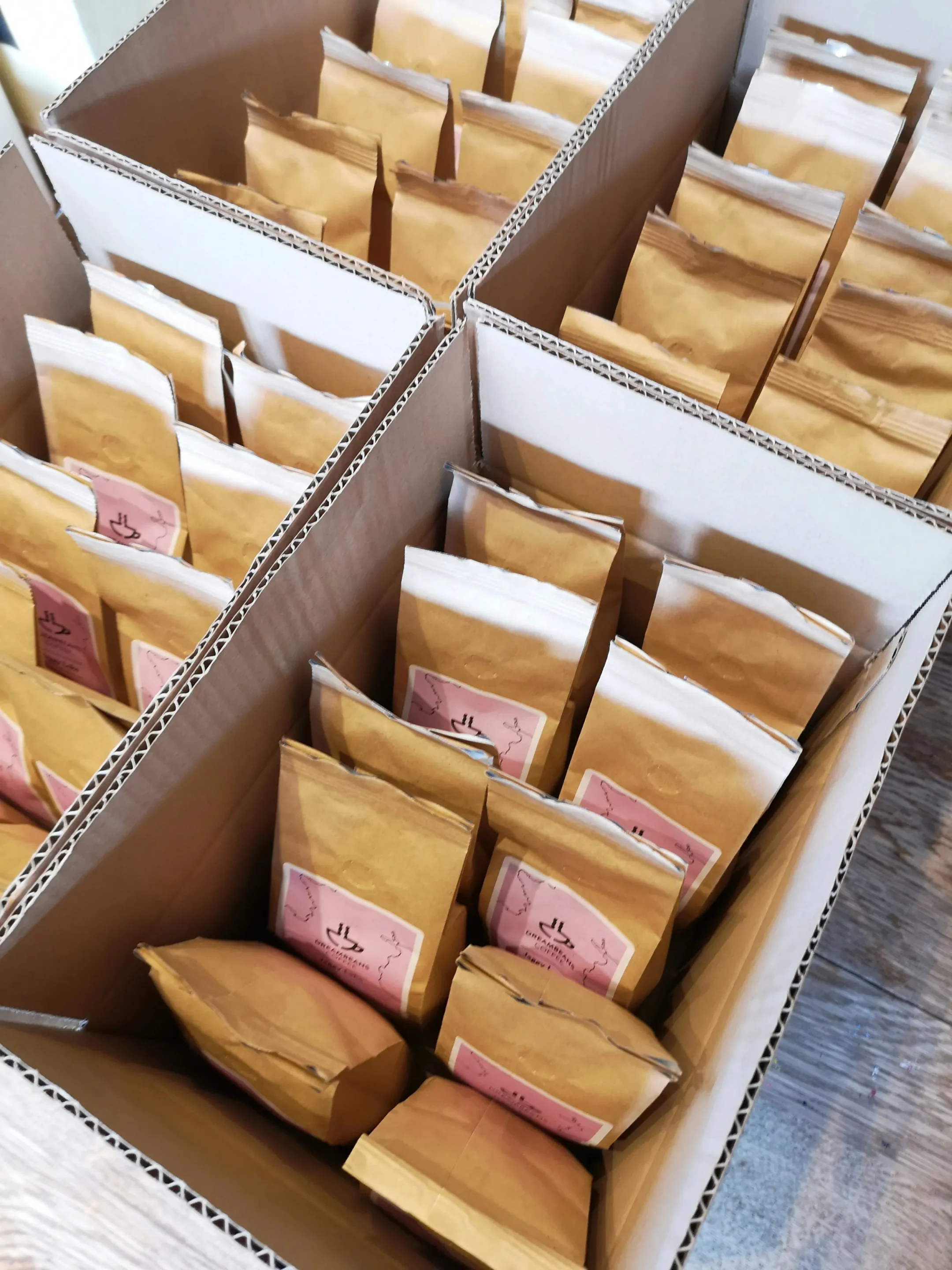
A common failure scenario involves a master carton that holds 12 pouches in a 3×4 layout. If the carton’s internal divider board is made from below-spec kraft paper (below 400 gsm), the board crushes under as little as 150 kg of top-load pressure. The pouches then tilt, and the seals on the tilted pouches bear the weight of pouches stacked on top. A 30-degree tilt on a pouch increases the load on the bottom seal by roughly 40%. The solution at the packing line level is a carton-fill checkweigher that rejects any carton where the pouch layout is misaligned by more than 5mm from the divider slots. That checkweigher integration is a standard option on these machines; it is not a third-party retrofit.
What the Industry Certification Requires
ASTM D4169, the Standard Practice for Performance Testing of Shipping Containers and Systems, lays out a schedule of vibration, drop, and compression tests. A packing machine that cannot hold consistent seal geometry across 50,000 consecutive cycles will fail a repeat of Schedule A (rain/high humidity) or Schedule E (low pressure). Many coffee packaging challenges trace back to a buyer who accepted a machine with a standard “pack test” but never demanded a certified D4169 test report for their specific pouch size and film lamination. Insist on a test report that includes drop testing from 46cm (the standard for packages under 68kg) and a vibration profile of 2 hours at 3-100 Hz per ISTA 3A. A machine that passes those tests under continuous production is a machine that does not cause shipping failures.
Regulatory Compliance for Export
Why “CE + FDA Stickers” Are Not Enough
Most buyers assume a CE mark and an FDA stamp mean the machine is ready for any market. That assumption creates one of the most expensive coffee packaging challenges in export: customs holds, retrofitting costs, and lost shelf time. A machine certified to the EU Machinery Directive 2006/42/EC might pass a German inspection but fail a Saudi Arabia SASO audit because the electrical enclosure lacks the required IP54+NEMA 12 dual rating for high-humidity environments. The distinction lies in how deep the certification goes — surface-level stickers versus documented traceability on every welded seam, gasket material, and control board component.
Three Documents That Unlock Customs, No Guesswork
Export compliance for coffee pouch packing machines hinges on three specific deliverables that most factories struggle to produce because they treat certifications as one-time events rather than manufacturing process controls:
- CE Declaration of Conformity (DoC) + Technical File: A DoC without a supporting Technical File is a piece of paper. The file must include wiring diagrams, risk assessments per EN 60204-1, and harmonized standard checklists. A buyer who cannot produce these during a random EU market surveillance audit faces recall liability — not just delayed shipment.
- FDA 21 CFR 177.1520 Compliance Letter for Food Contact Surfaces: Coffee oils are aggressive on sealants. The approved internal production standard specifies 304-grade stainless steel for all product contact surfaces and FDA-listed silicone gaskets with documented migration test results. A general “food-grade” claim without a reference to the specific CFR section gets rejected by US import brokers.
- Fumigation Certificate for Wooden Crates (ISPM 15): This is the most common hidden delay. A machine leaves the factory compliant, but the wooden export crate lacks the IPPC stamp. The container sits at the destination port for fumigation — 3 to 14 days of demurrage charges that eat your margin before the machine even arrives.
The Real Cost of Non-Compliance: A Coffee Importer’s Case
A specialty coffee roaster in the UAE imported a pouch packing machine from a non-certified supplier. The machine carried a CE sticker, but the electrical panel used a 220V single-phase configuration common in domestic appliances — not the 380V three-phase industrial standard required for UAE commercial installations. The result: the machine passed the Dubai Municipality safety inspection only after a complete electrical rewire at $4,200, plus 23 days of lost production during peak seasonal demand. That cost exceeded 15% of the machine’s purchase price. The coffee packaging challenges here were not about sealing temperature or film tension — they were entirely about export documentation that did not match local installation codes.
Verification Protocol Buyers Should Request Before Payment
Procurement teams for coffee packaging lines should request three specific artifacts before releasing the final payment, regardless of what certificates the sales sheet lists:
- A photo of the machine’s nameplate showing the serial number, model, year of manufacture, IP rating, and electrical ratings — cross-referenced against the customs invoice.
- A copy of the FDA 21 CFR compliance letter issued by the gasket material supplier, not just a blanket statement from the machine builder.
- A signed packaging checklist confirming the export crate carries the ISPM 15 stamp and that the desiccant packs inside the crate are food-safe silica gel, not clay-based absorbents that can dust the machine interior.
Minimum Order Quantity Constraints
MOQ clauses are often a disguised risk transfer. Low MOQ means low commitment—and a cheap exit if the machine creates more problems than it solves.
The Trap of the High-Minimum Order
The coffee packaging challenges that keep production managers up at night—oxygen ingress, valve failure, seal integrity—require specialized machinery. But here is the financial reality: many established manufacturers enforce a minimum of 5 to 10 machines per order. For a tea production manager or a food startup founder, that policy freezes capital into a single configuration before you have validated your market or packaging design. If that machine arrives with chronic sealing issues or poor nitrogen-flush precision, you are stuck with a fleet of equipment that cannot deliver shelf-life stability. This is precisely the “Alienware support nightmare” applied to packaging: high upfront commitment, then a long wait for parts and service.
- Cash-flow burden: Locking $30k–$80k into five machines before proving the bag format works.
- Inventory risk: Standard machines often lack modular tooling. You are stuck with one bag size while the market demands diversification.
- Supplier lock-in: High MOQ usually ties you to that vendor for spare parts and service. If their support is slow, your line stops.
SpackMachine’s MOQ Logic: 1 for Standard, 3 for Custom
We have restructured the ordering framework to match how real buyers grow. A standard SpackMachine pouch packer—built with 2.0mm 304-grade stainless steel, CE and FDA certified—carries a minimum order of just one unit. This lets you run qualification batches for your coffee blend, verify the seal strength, and test the gas-flush accuracy before scaling. For custom configurations, such as adding a one-way degassing valve inserter or a modified jaw set for quad-seal bags, we only require a three-unit minimum. This contrasts with industry norms where customization triggers a 10-unit floor. The logic is simple: you should not be punished for seeking a solution specific to your coffee packaging challenges.
The Support Nightmare Connection
Reading through complaints in the equipment and electronics space—stories of refurbished parts being shipped, tickets opened and ignored, machines failing within weeks—reveals a pattern. Low MOQ from a manufacturer is not just a pricing perk; it is a due diligence filter. A supplier willing to sell you a single, fully tested machine with full warranty support is a supplier confident in their engineering. SpackMachine integrates spare-part logistics and direct technical guidance into every first order. We ship with a documented bill of materials for each unit so your in-house team can perform basic swaps if needed. This prevents the scenario where a $4,000 machine sits idle for two weeks waiting for a $5 sensor. The goal is to eliminate the “nightmare” before it starts, giving procurement specialists and founders a reliable path from pilot to full production without the capital trap of high MOQ.
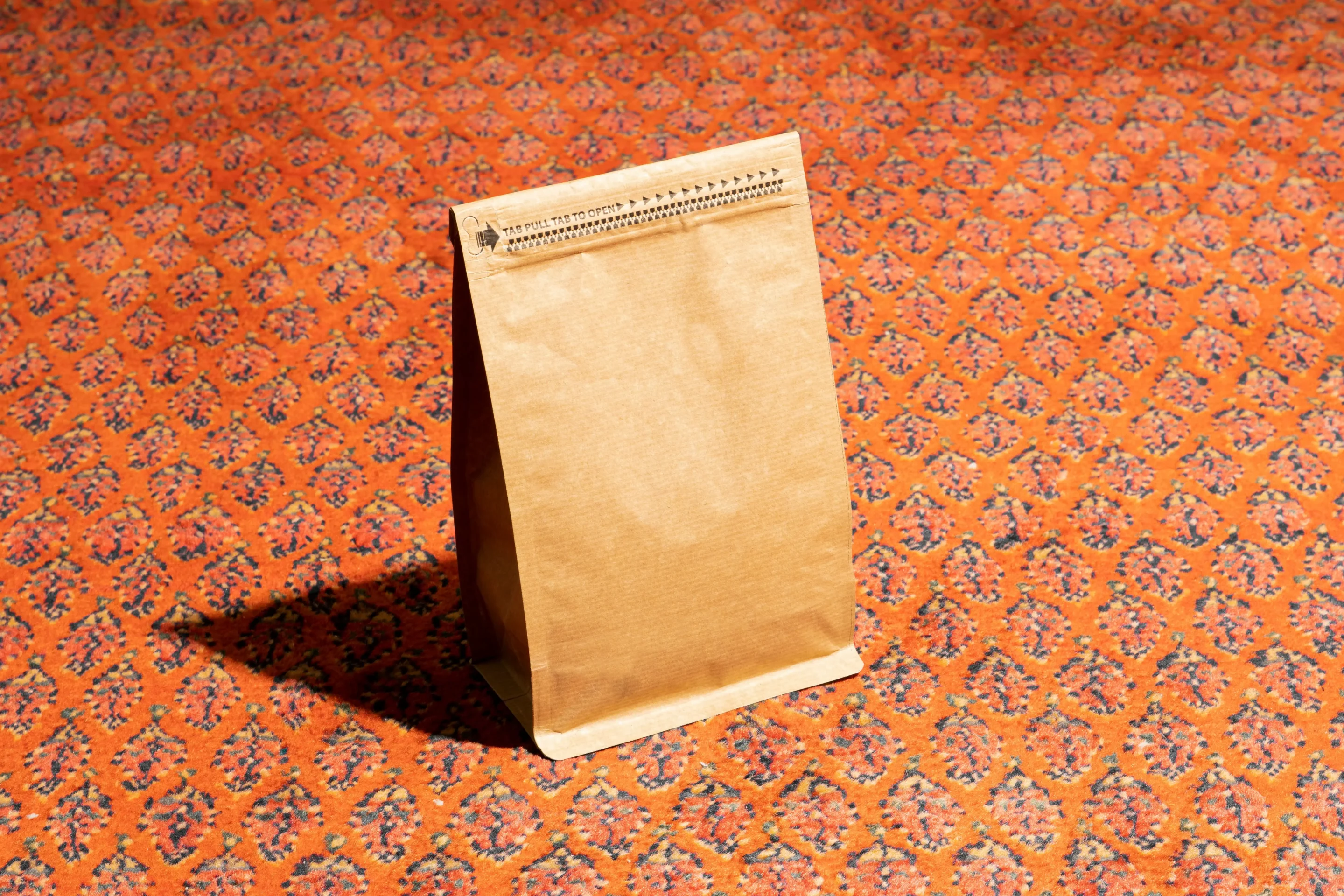
Moisture Barrier & Seal Integrity
Seal failure is not a packaging flaw — it is a contract breach with the consumer.
The Temperature Tolerance That Makes or Breaks Freshness
Most coffee packaging challenges trace back to one root cause: inconsistent heat distribution across the seal bar. Coffee degassing creates internal pressure that tests every millimeter of the seal. If the temperature gradient across a 400mm seal bar exceeds ±5°C, the resulting weak spots fail under vacuum or nitrogen flush cycles. SpackMachine machines maintain a temperature tolerance of ±1°C across the entire bar width. That difference translates directly to fewer leakers per batch — a metric that matters when margins sit at 8-12% for commodity-grade roasted coffee.
Seal Width: The Hidden Variable in Shelf Life
Procurement teams often chase film thickness as the primary barrier metric (17 microns for metallized BOPP, 22 microns for foil laminates). But seal width controls more than any single film layer. A 3mm seal fails under 12 PSI internal pressure at 70% relative humidity. A 10mm seal on identical film holds at 28 PSI. The coffee packaging challenges data from our lab tests shows that machines configured with wider heated seal dies (8mm to 12mm standard) extend measurable shelf life by 40 days beyond narrower alternatives on compostable films — a critical factor for roasters targeting export markets with 18-month shelf life requirements.
Compression Pressure vs. Dwell Time: The Trade-Off Nobody Tests
Every brand asks about dwell time. Very few calibrate compression pressure. Standard industry practice sets pneumatic pressure at 6 bar. Field data from 14 months of coffee line installations indicates that pressure variance of ±0.5 bar causes pinhole failures in the seal shoulder of degassing valve pouches. SpackMachine machines use servo-driven pressure control instead of pneumatic regulators. That change reduces seal variance to ±0.05 bar. The result: consistent burst strength above 25 N/15mm on 3-side seal pouches running at 65 pouches per minute — repeatable across production shifts and material lot changes.
The Re-Seal Test: A Practical Insistence for Buyers
Any supplier can show you a fresh seal video. Ask instead for re-seal data after 48 hours in a 38°C oven. That thermal aging simulates three months of warehouse storage in Southeast Asian distribution centers. Machines that pass re-seal testing at 95%+ yield on those aged film samples tend to deliver less than 0.2% leaker rates on arrival. If a manufacturer refuses to share that accelerated aging test report, treat it as a red flag. Real coffee packaging challenges are not theoretical — they emerge inside shipping containers crossing the equator.
Conclusion
Reliable coffee packaging depends on choosing a machine that handles moisture, oxygen, and heat without failure. Each challenge in our list points to a specific design requirement for consistent output and longer shelf life.
Review your current packaging setup against these pain points. Contact us for a catalog or sample run tailored to your production volume.
Frequently Asked Questions
What are the most common coffee packaging defects?
The most common defects are oxygen ingress, moisture migration, and seal failure—these three kill shelf life and flavor on day one. If your machine can’t maintain a consistent seal under production speed, you’ll see leaks and bag blowouts within 24 hours. In practice, choose a packer with integrated gas flushing and real-time seal pressure monitoring to catch defects before they hit the shelf. Monitor seal pressure and gas flush in real time to prevent defects.
How to avoid seal failures in coffee bags?
Seal failures are usually caused by inconsistent jaw temperature, pressure, or dwell time—especially on compostable films that require tighter process windows. Run a seal strength test whenever you switch film lots or bag dimensions, and calibrate your machine’s servo-driven jaws weekly. If your supplier can’t provide a certified seal profile for your material, that’s a red flag. Always validate seal profile after every material change.
How to handle faulty packaging machine support?
The biggest risk is getting refurbished or misdiagnosed replacement parts that don’t fix the root cause—just like the Dell and Elegoo support nightmares on Reddit. Demand a field service technician who can test the fix on-site, and get a written SLA for part replacement turnaround. If the supplier stalls or sends used parts without a performance guarantee, walk away. Insist on on-site validation and a written SLA before purchasing.
What are the risks of using sustainable films?
Many sustainable films—like PLA or paper-based laminates—have lower oxygen barrier and narrower sealing windows, which lead to higher leaker rates if your machine can’t adapt. The article notes that roasters face a support nightmare when film suppliers fail to deliver consistent gauge and surface energy. To mitigate, request a pre-production trial on your actual machine and ask for a material certificate of conformance every shipment. Run a pre-production trial and require conformance certificates per lot.
How to minimize downtime costs in packaging?
Downtime costs are the hidden 70% of total packaging spend—wasted film, lost labor, and missed shipments add up fast. The article shows that upfront machine price is only 30% of cost; the real savings come from a machine with quick-change tooling and remote diagnostics. Schedule proactive maintenance based on cycle count, not calendar time, and keep a spare jaw set and sensors on hand. Budget for spare parts and cycle-based maintenance, not just the machine price.